



Neck-Hanging Fan EU CE Compliance
As the weather warms up, neck-hanging fans have entered a peak selling season on Amazon and TEMU EU sites. However, products without CE certification face compliance risks such as mandatory removal from shelves and customs seizure. This article breaks down the ce certification process for neck-hanging fans in detail, helping sellers complete compliance preparations before the 2026 sales season.
Why is CE Certification Mandatory for Neck-Hanging Fans?
Neck-hanging fans are defined as household and similar electrical appliances by the EU. They must compulsorily comply with relevant EU directives and bear the ce mark. The main applicable directives include:
• low voltage directive (LVD): Ensures product electrical safety
• Electromagnetic Compatibility (EMC) Directive: Prevents electromagnetic interference
• RoHS Directive: Restricts hazardous substances
• reach regulation: Registration and management of chemical substances
Marketplaces (especially Amazon) have made CE certification a mandatory document. Neck-hanging fans without CE certification cannot be listed on EU sites.
Complete Compliance Process
Phase 1: Preparation – Standard Confirmation
Primary Standards:
• EN 60335-1 (General safety for household electrical appliances)
• EN 60335-2-100 (Particular requirements for fans)
Supplementary Standards:
• EN 62233 (Electromagnetic fields for human exposure)
• EN 55014 (Electromagnetic compatibility)
Compliance Laboratory Selection
Give priority to laboratories with corresponding testing capabilities and qualifications, such as JJR LAB.
Sample Preparation
• Provide 3–5 samples of the final market-ready version
• Include complete accessories, packaging and user manuals
• Ensure samples are fully identical to mass-produced products
Phase 2: Testing Phase
Key Test Items
• Electrical safety test: Insulation resistance, withstand voltage, leakage current
• Mechanical safety test: Fan blade protection, structural strength
• Temperature rise test: Motor temperature, housing temperature
• Battery safety test: Overcharge, over-discharge, short circuit protection
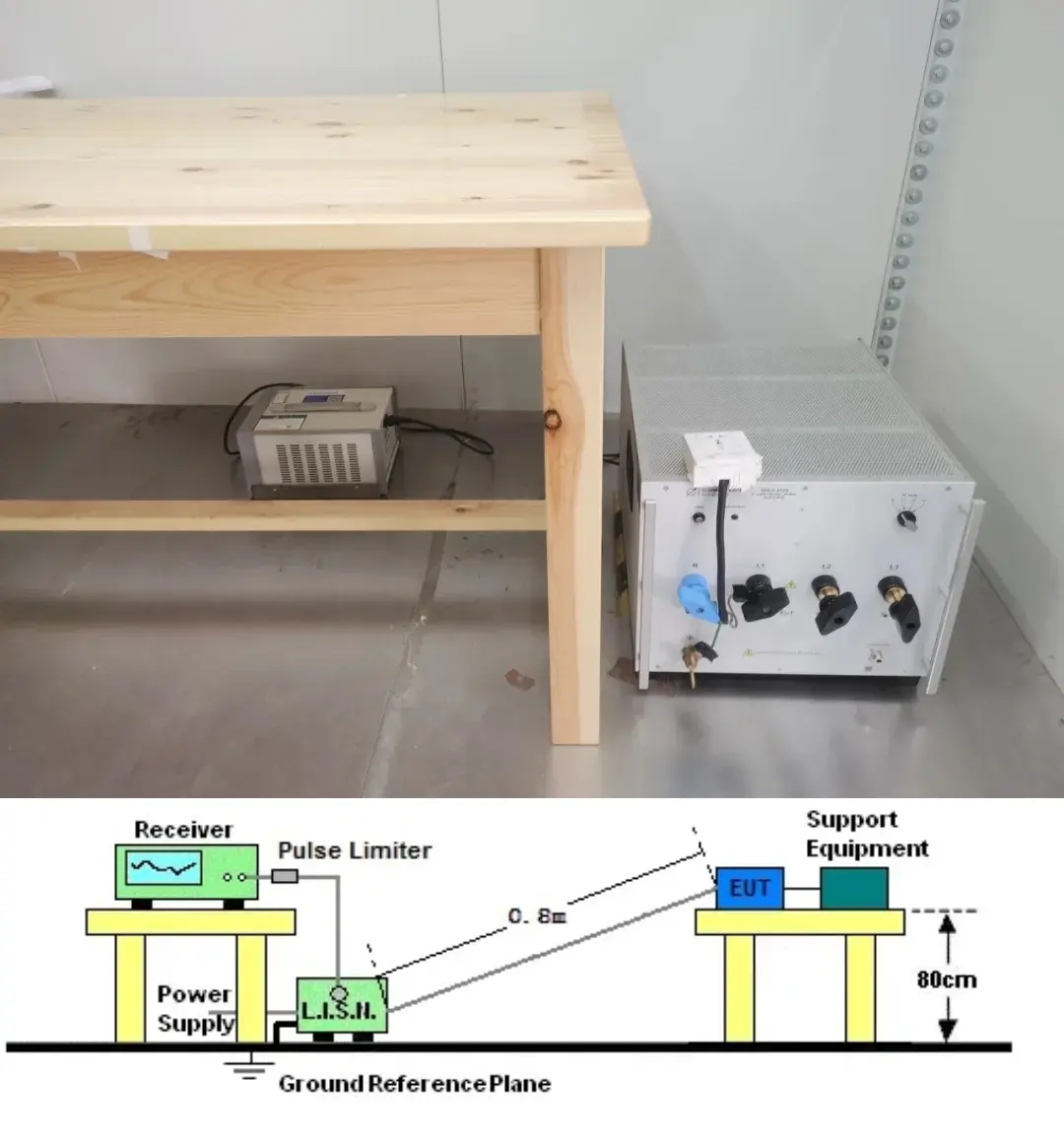
• EMC test: Conducted emission, radiated emission
• Material test: RoHS hazardous substance testing
Special Focus Areas
Since neck-hanging fans directly contact the skin, extra attention is required for:
• Whether the guard gap meets anti-finger insertion requirements
• Whether housing materials are hypoallergenic
• Whether batteries are equipped with overcharge and over-discharge protection
Phase 3: Documentation Preparation
Mandatory Key Documents
• Test Report: Issued by an accredited laboratory
• Declaration of Conformity (DoC): Signed by the manufacturer
• Technical File: Including circuit diagrams, BOM, manuals, etc.
• User Manual: Including CE mark, safety warnings, multilingual versions
Phase 4: Marking & Listing
• CE Mark Affixation: Clearly marked on the product body or packaging
• Document Archiving: Store technical files for at least 10 years
• Platform Upload: Submit relevant documents in Amazon/TEMU backend
Platform Audit Focus & Responses
Amazon Audit Requirements
• Document Integrity: Complete test report + Declaration of Conformity
• Information Consistency: Product model and images in the report must match the listing
• Validity: Report date within a reasonable timeframe
• Laboratory Qualification: Laboratory must be EU-accredited
Common Reasons for Rejection
• Missing key test items in the report
• Product model inconsistent with the report
• Laboratory qualification not recognized
• Missing Declaration of Conformity
Response Strategies
• Prepare full set of compliance documents in advance
• Ensure product fully matches the report
• Cooperate with well-known certification bodies
• Prepare English user manual
TEMU Audit Characteristics
• Pre-listing Audit: Mandatory CE document submission
• Simplified Process: Simplified review for some low-risk products
• Regular Spot Checks: Continuous monitoring of product compliance
• Quick Removal: Immediate delisting if violations are found
Special Notes
Battery Safety
Neck-hanging fans usually have built-in lithium batteries, requiring extra attention:
• Comply with EN 62133 battery safety standard
• Batteries must have protection circuits
• Housing must be fire-retardant
Wireless Function
If the neck-hanging fan includes Bluetooth, additional certification is required:
• CE-RED (Radio Equipment Directive) certification
• Extra radio frequency testing
• Compliance requirements for wireless equipment
For Child Use
If the target audience includes children:
• Specific safety warnings
• Additional safety design
• Age labeling
Timeline & Cost
Certification Cycle
• Routine testing: 2–3 weeks
• Expedited service: 1–2 weeks
• Full process: 4–6 weeks (including document preparation)
Cost Structure
• Testing fee: €1,500 – €3,000
• Certificate fee: €500 – €1,000
• Service fee: Depends on complexity
Cost Optimization Suggestions
• Multi-model consolidation: Test similar products together
• Early planning: Avoid expediting fees
• Batch certification: Certify multiple products simultaneously
• Long-term cooperation: Build long-term relationships with laboratories
Risk Management
Risk Identification
• Technical risk: Design non-compliant with standards
• Timing risk: Certification delay misses sales season
• Cost risk: Repeated testing increases expenses
• Market risk: Competitors complete certification first
Risk Control
• Involve compliance in the design stage
• Pre-test samples before formal certification
• Allow sufficient time buffer for certification
• Prepare alternative suppliers
Best Practice Certification Strategy
• Full-series certification: Unify certification for product lines
• Modular design: Pre-certify common modules
• Continuous update: Update certification documents promptly
• File management: Establish a compliance document system
Platform Operations
• Compliant listing: Clearly display CE mark
• Document readiness: Respond to platform audits at any time
• Regular review: Check compliance status quarterly
• Contingency plan: Develop a delisting response plan
Supply Chain Management
• Supplier audit: Verify supplier certification qualifications
• Quality agreement: Specify compliance requirements in contracts
• Batch management: Ensure compliance of each batch
• Traceability system: Establish product traceability
FAQ
Q1: How long is CE certification valid?
A: Certification remains valid long-term as long as standards are not updated and the product is unchanged. Note that standards are usually updated every 5 years.
Q2: Does the EU recognize domestic CNAS reports?
A: Confirm whether the laboratory has EU mutual recognition qualifications. It is recommended to choose laboratories authorized by EU Notified Bodies.
Q3: Is re-certification required after product improvement?
A: Safety-related modifications (e.g., circuit changes, material substitutions) require re-testing and evaluation.
Q4: Can one certified model cover a product series?
A: If series products differ only in appearance, series certification can be applied. Explicit explanation is required during application.
2026 Compliance Trends
As EU market regulations become stricter, the following trends are expected in 2026:
• Stricter platform audits: Amazon and TEMU will strengthen automated reviews
• More detailed documentation: More detailed test data required
• Higher inspection frequency: Market surveillance will increase spot checks
Heavier penalties: Fines for violations will be further increased
Email:hello@jjrlab.com
Write your message here and send it to us
 How to get the EN 55035 Test Report?
 What is the Amazon EN 301 489 Standard?
 How to get an EN 301 489 Test Report?
 What is EN 301 489 Compliance Certification?
 Introduction to the EN 300 422 Standard
 How to get an EN 300 422 Test Report
 What is EN 300 422 Compliance Certification?
 How to get an EN 300 220 Test Report
Leave us a message
24-hour online customer service at any time to respond, so that you worry!