



RCM Approval for Electrical Products in Australia
For cross-border sellers of electronic and electrical appliances to Australia and New Zealand, the easiest pitfalls to fall into are: goods being detained, platform rejection, and a maximum fine of 375,000 AUD. The core reason is the failure to obtain rcm certification!
RCM is not an optional certification; it is the "iron rule for customs clearance" in the Australia-New Zealand market. If electronic and electrical products want to enter this market, they must pass this hurdle.
Today, using the most accessible language, we will thoroughly explain the core practical information of RCM, so beginners can get started immediately!
What is RCM Certification?
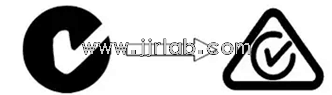
RCM (Regulatory Compliance mark) is an integrated compliance mark, jointly regulated by ACMA and EESS. It is equivalent to a "safe pass" for the Australia-New Zealand market.
Core Composition: rcm mark = Electrical Safety + Electromagnetic Compatibility (EMC) + Radio Frequency (RF, mandatory for wireless products). All three are indispensable.
Key Point: It has been fully mandatory since 2016. The old A-Tick and C-Tick marks have been phased out, and the only compliance mark is RCM!
Which Products Must Be RCM Certified?
Almost all electronic and electrical products are covered. Cross-border sellers should particularly note these categories:
Consumer Electronics: Mobile phones, computers, chargers, headphones, TVs, etc.
Home Appliances: Air conditioners, refrigerators, rice cookers, LED lights, etc.
Power Tools: Electric drills, chainsaws, blenders, etc.
Wireless Devices: Routers, Bluetooth devices, smartwatches (require additional RF testing).
Others: Batteries, transformers, electronic toys with electrical components, etc.
Reminder: Low-voltage products under 12V (such as USB fans) also require basic rcm compliance. Do not leave it to chance!
RCM Certification Process
Determine the Standard: Clarify the corresponding Australia-New Zealand standard for the product (e.g., electrical safety AS/NZS 60335).
Prepare Documents and Samples: Including business license, specifications, and local supplier information. Samples must be qualified.
Product Testing: Find a compliant laboratory to complete Safety + EMC (plus RF for wireless) testing.
Prepare Documents + Sign Declaration: Organize the reports, and have the local Australian supplier sign the Declaration of Conformity.
Registration and Labeling: Register and pay fees in EESS, and affix the RCM mark to the product itself (no less than 3mm).
Market Maintenance: Retain documents for 5 years, renew annually, and re-evaluate if design changes occur.
Tips: Having CB or iec certifications can directly be converted into a Safety certificate, saving time and money!
2026 Pitfall Avoidance Guide
Myth 1
Chinese enterprises can apply directly ❌
Truth: Must register through a local Australian supplier.
Myth 2
RCM is valid for life ❌
Truth: Regulated saa certificates are valid for 2-5 years, and EESS requires annual renewal.
Myth 3
Smart devices can ignore cybersecurity ❌
Truth: Starting in 2026, a cybersecurity assessment report must be provided.
Myth 4
Get a report from any agency randomly ❌
Truth: Non-NATA/ILAC accredited reports are not recognized.
Myth 5
Affix the RCM mark on the packaging ❌
Truth: It must be affixed to the product itself, otherwise the goods will be detained.
Addition: ACMA spot-checks 3%-5% of imported products every year. Non-compliance will result in fines and affect subsequent imports!
Email:hello@jjrlab.com
Write your message here and send it to us
 RoHS Compliance Testing Services
 Amazon Toy Seller Exporting to Europe Compliance
US Jewelry Compliance Guide
Amazon Toy Seller Exporting to Europe Compliance
US Jewelry Compliance Guide
 FCC Certification Requirements and Costs for Consu
 EMC Testing Lab IEC 60601 Medical Electrical Safet
 What are the FCC Testing Requirements for Bluetoot
 Australia RCM Certification for Radio Devices
 RED Cybersecurity EN 18031 Standard
Leave us a message
24-hour online customer service at any time to respond, so that you worry!