



Toy EU CE EN 71 Certification Testing
Toy EN 71 Certification:
CE EN 71 refers to the European Union's safety standards for children's toys, which cover various requirements such as physical and mechanical properties, chemical composition, and electronic safety.
CE EN 71 certification is mandatory. If a product is to be sold in the EU market, it must meet the CE EN 71 standards and obtain CE certification.
To conduct CE EN 71 certification, you need to select a qualified testing institution, submit samples for testing, and upon passing the tests, the product can receive the CE EN 71 certification and display the CE mark.
The specific certification process may vary depending on the testing institution and product type.
It is important to note that CE EN 71 certification only indicates compliance with EU safety standards and does not guarantee product quality or compliance with safety standards of other countries. Therefore, manufacturers should also pursue other relevant certifications based on the target market requirements.
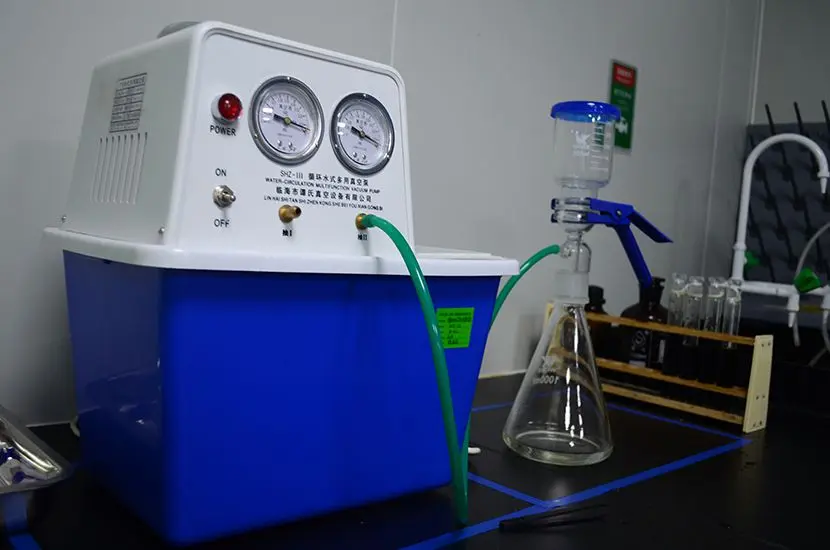
Toy ce certification process:
1. Determine Applicable Standards:
First, you need to determine the applicable standards. For toys, CE certification primarily refers to the EN 71 series standards, which include:
- EN 71-1 (Physical and Mechanical Properties)
- EN 71-2 (Flammability)
- en 71-3 (Harmful Substances)
- EN 71-4 (Chemical Toys)
- EN 71-5 (Chemical Toy Sets)
- EN 71-6 (Activity Materials)
- EN 71-7 (Paints)
- EN 71-8 (Intelligence Toys)
- en 71-9 (Organic Compounds)
- EN 71-10 (Formaldehyde and Formaldehyde Release)
- EN 71-11 (Specified Organic Compounds)
2. Submit Samples for Testing:
Submit the toy samples for CE certification to the testing institution; these samples should represent the products you intend to sell.

3. Conduct Testing and Evaluation:
The testing institution will conduct tests and evaluations based on the applicable standards. These tests may involve physical performance tests, chemical composition analysis, flammability tests, etc.
4. Issue Certification Certificate:
If the samples pass the tests and meet the relevant standards, the testing institution will issue a CE certification certificate confirming that your product meets CE requirements.
5. Label with CE Mark:
After obtaining CE certification, you can label your product with the CE mark, which is a necessary mark for sales in the EU market.
Note:
If the toy is electronic, it must also undergo EN 62115 standard testing. Different product types and testing institutions may have specific requirements and variations. Therefore, it is advisable to consult with the testing institution for detailed information on the applicable process and requirements before proceeding with CE certification.
General Certifications and Tests for Toys in the EU:
1. CE Certification:
CE certification is the basic requirement for toy exports to the EU market. It ensures that the product meets EU safety standards, primarily involving the EN 71 series standards, including requirements for physical and mechanical properties, flammability, harmful substances, chemical toys, etc. If the toy includes wireless data transmission, it must also comply with the CE-RED directive.
2. reach testing:
Toys must comply with the EU reach regulation concerning the restriction of chemical substances. This involves chemical composition analysis of the materials and components used in the toy to ensure they do not contain harmful substances exceeding the specified limits.
3. ROHS Testing:
Toys exported to the EU typically need RoHS (Restriction of Hazardous Substances) testing, which includes substances like lead, mercury, cadmium, hexavalent chromium, polybrominated biphenyls (PBB), and polybrominated diphenyl ethers (PBDE).
4. Battery Testing:
If the toy contains batteries, it is recommended to source batteries that have undergone relevant standard tests or for the manufacturer to conduct the relevant standard tests.
The listed tests and certifications are the primary aspects involved in toy exports to the EU. Specific testing and certification requirements may vary depending on the toy type and standard requirements. It is advisable to consult with a certification institution for detailed information on applicable tests and certification requirements before proceeding with exports.
Email:hello@jjrlab.com
Write your message here and send it to us
 What is the ASTM F2264 Certification Test?
 What is ASTM F2194 Certification Testing?
 What is the ASTM F2167 Certification Test?
 What is the ASTM F2050 Certification Test?
 What is ASTM F1967 Certification Testing? How to g
 What is the ASTM F1917 Certification Test?
 How to get ASTM F1821 Certification
 What is the ASTM F1821 Testing Standard?
Leave us a message
24-hour online customer service at any time to respond, so that you worry!