



What are the KC Certification Requirements?
With the booming growth of cross-border markets, the export of categories such as home healthcare and small appliances has rapidly increased in South Korea. To help companies better enter the South Korean market, this article will introduce the essential kc certification requirements for entering the South Korean market.
Market Opportunities in South Korea
1. E-commerce Development Trends
- User Scale: In 2022, there were around 40 million online shopping users in South Korea, accounting for 80% of the total population. Online shopping has become a daily habit for South Koreans.
- Market Size: In recent years, South Korea's e-commerce market has continued to expand. By 2023, the market exceeded $170 billion, ranking fourth globally. By 2027, it is expected to surpass 202.6 trillion KRW.
2. Consumption Potential
- Penetration Rate: The penetration rate of e-commerce users in South Korea continues to rise, with expectations to reach 53.2% by 2024.
- Consumer Attitude: South Korean consumers are increasingly focused on savings, leading to a growing demand for low-priced products.
3. Product Trends
Beauty and skincare, 3C electronics, fashion, and home goods have long been favored by South Korean consumers.
By 2025, the expected revenue for the fashion category in South Korea will be $41 billion, followed by electronics ($27 billion), beauty & health & personal care & home healthcare ($19 billion), and toys & hobbies & DIY ($17 billion).
The most popular product categories from China among South Korean consumers are: clothing and footwear (33%), home appliances and electronics (28%), daily goods and stationery (12%), and children's and baby products (7%).
When exploring the vast business opportunities in the South Korean market, one crucial element cannot be overlooked—KC certification. It is not only a market entry barrier in South Korea but also an important guarantee for ensuring product safety and quality.
What is KC Certification?
1. Definition
KC certification (Korea Certification), also known as KC safety certification or the KC mark, is a national unified certification standard implemented by the Korea Standards Association starting on January 1, 2009. It is a mandatory safety certification system for products entering South Korea.
2. Importance
All products that fall under mandatory regulatory categories must pass KC certification before being sold or imported into South Korea.
Products without KC certification will be ordered to be recalled and may incur financial penalties or sales bans for manufacturers, importers, and retailers.
Scope of KC Certification
The KC certification system covers three main categories: electronic products, children's products, and consumer goods.
1. Electronic Products
"Electronic products" refers to industrial products and their components or accessories that use alternating current (AC) or direct current (DC).
This includes all electronic products such as wires and cables, electrical switches, home appliances, power tools, audio and video equipment, lighting machines, etc.
2. Children’s Products
According to the "Children's Product Safety Act," "children's products" are items, parts, or accessories used by children under 13 years old.
Examples include toys, children's and infant textiles, child seats, educational supplies, children’s bicycles, etc.
3. Consumer Goods
"Consumer goods" refers to products manufactured industrially that can be used directly in daily life by consumers without further processing (except simple assembly).
This includes commonly used consumer products such as home appliances (e.g., refrigerators, dishwashers), audio and video devices, eyeglass frames, fans, tents, motorcycle helmets, vehicles, and their accessories.
For more details, you can visit the official South Korean certification website:
www.korea-certification.com/en/kc/what-is-kc-certification
Types of KC Certification
KC certification includes KC safety certification, kc emc certification, KC RF certification, and KC energy efficiency MEPS/E-Standby requirements.
1. KC Safety Certification
- Safety Certification: This process ensures product safety through testing and factory inspections. It requires an initial factory inspection followed by a re-inspection every two years.
The safety certification remains valid as long as the factory undergoes regular checks and the standards remain unchanged.
Examples of products include adapters, lighting fixtures, and most home appliances.
- Self-Regulatory Safety Confirmation: This process involves safety confirmation testing by an accredited organization, with no factory inspection required. The certificate does not have a fixed expiration period.
Products include monitors, air purifiers, etc.
- Supplier Declaration of Conformity: This is a self-certification or third-party test to confirm the product complies with safety standards.
2. KC EMC/RF Certification
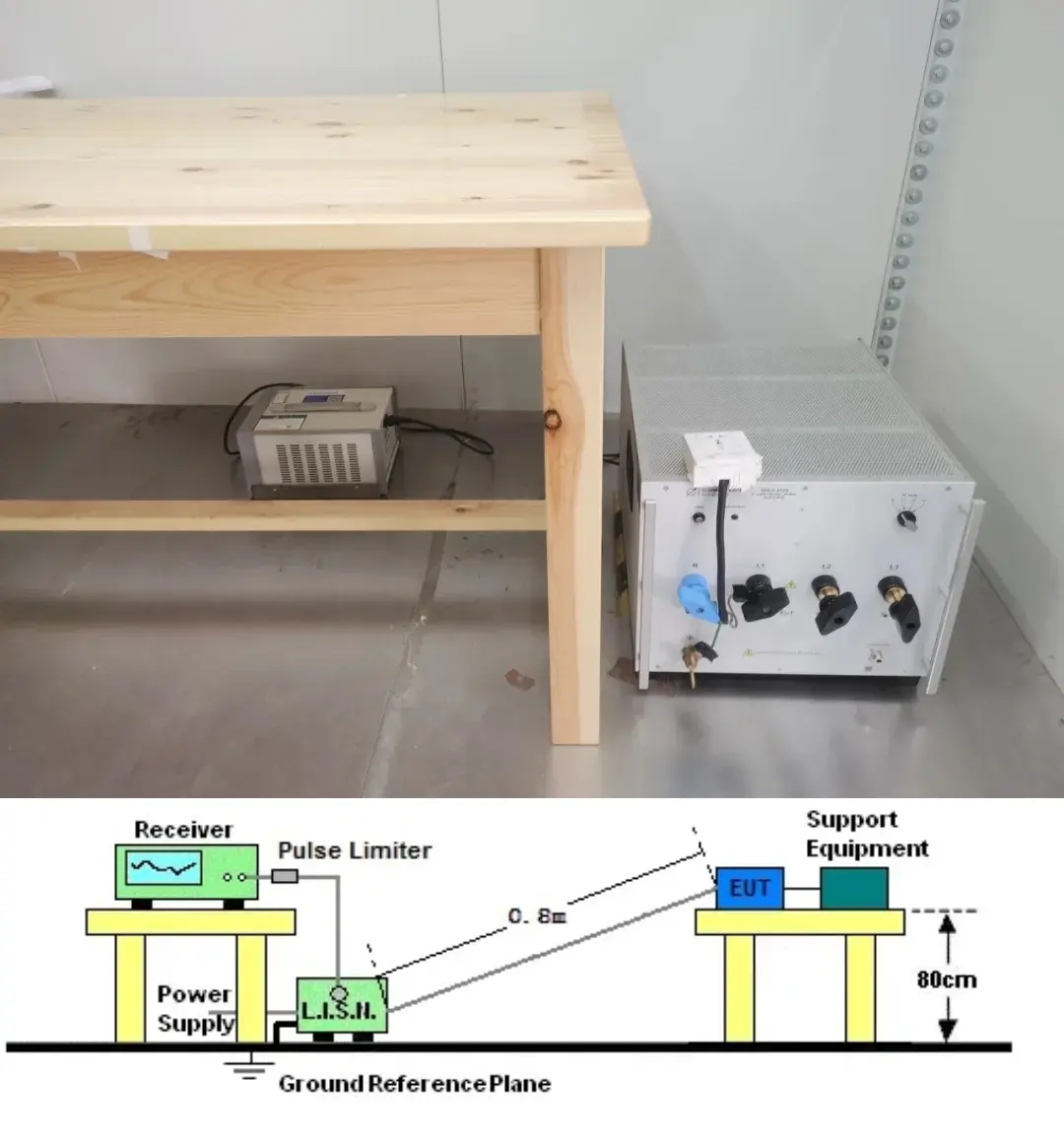
- KC EMC Certification: This certification tests electromagnetic compatibility to ensure the product does not generate harmful electromagnetic interference.
- KC RF Certification: This certification ensures wireless communication devices meet required frequency and power regulations.
3. KC Energy Efficiency
- Energy Efficiency Labeling and Standard Scheme - MEPS: This mandatory scheme applies to home appliances and lighting, requiring importers or South Korean manufacturers to submit applications and label products with energy efficiency information.
- E-Standby Scheme: This mandatory scheme applies to IT and AV products, such as microwaves, hand dryers, bathtubs, etc. Products meeting the requirements can voluntarily use the Energy Boy label, while non-compliant products must use the Standby Warning label.
- High-Efficiency Certification Scheme: This voluntary scheme applies to products that exceed government efficiency standards, allowing them to use a designated high-efficiency label. Products with this label, like certain LED lights, may receive government financial support.
KC Certification Process
1. Prepare application documents and apply.
2. Register with a South Korean certification body.
3. Factory audit (only applicable to South Korean safety certificates).
4. Conduct product testing at an accredited testing laboratory.
5. Review all documents and issue the KC mark certificate.
The KC mark is usually issued after safety tests by internationally recognized testing institutions. The mark will be colored blue, black, or gold depending on the type of certification, and a certificate number will be attached.
1. Safety-certified Products: The KC certification mark must be gold or black, with a safety certification number added below.
2. Safety-Confirmed Products: The KC certification mark must be blue or black, with a safety confirmation number added below.
3. Children’s Safety Packaging: The KC certification mark is generally black.
KC Certification Cycle and Validity
1. Mandatory Certification: All electronic products must obtain the kc mark certification before being sold in South Korea. They must undergo annual factory inspections and product sampling tests.
2. Self-Regulated (Voluntary) Certification: Only testing is required to obtain certification. No factory audits are necessary, and the certificate is valid for five years.
3. Application Cycle: The application process typically takes 4 to 5 weeks. Businesses must pay attention to renewal requirements to ensure continuous certification validity.
KC certification is an essential certification for products entering the South Korean market. Companies looking to expand into the South Korean market should fully understand the KC certification requirements to ensure their products pass certification, laying a solid foundation for success in the South Korean market.
Email:hello@jjrlab.com
Write your message here and send it to us
 What is the Amazon UL 1642 Test Standard?
 How to get a UL 1642 Test Report?
 What is UL 1642 Compliance Certification?
 What Is Amazon's UL 60335 Standard
 How to get a UL 60335 Test Report
 What is UL 60335 Certification Compliance?
What is EN 61000 Certification Compliance?
What is UL 60335 Certification Compliance?
What is EN 61000 Certification Compliance?
 How to get an EN 61000 Test Report?
Leave us a message
24-hour online customer service at any time to respond, so that you worry!