



What is Cytotoxicity ISO 10993-5
What is cytotoxicity testing?
cytotoxicity testing is the most fundamental test item in the biocompatibility evaluation of medical devices. It evaluates whether a material has a toxic effect on human cells by observing the impact of the medical device or its extract on the growth and morphology of cells in vitro. If the material kills cells or inhibits cell growth, it may harm patients during clinical use. As the primary screening item in the ISO 10993 series, almost all medical devices must complete this test before being marketed.
Which Products Require Cytotoxicity Testing?
Almost all medical devices that come into direct or indirect contact with the human body require cytotoxicity testing, mainly including:
1.Implantable Devices: Artificial joints, bone screws, cardiac stents, intraocular lenses, dental implants, etc.
2.Blood-Contacting Devices: Hemodialyzers, blood transfusion sets, infusion sets, catheters, etc.
3.Surgical and Diagnostic Devices: Scalpels, sutures, endoscopes, syringes, medical dressings, etc.
4.Dental and Ophthalmic Devices: Dental materials, dentures, contact lenses and their care solutions, etc.
5.Medical Polymer Materials: Medical silicone, polyurethane, PVC pipes, packaging materials, etc.
6.Other Contact Products: Medical gloves, masks, electrode patches, etc.
Depending on the contact area and duration of the product, test requirements will vary, but in principle, all products that come into contact with the human body must undergo cytotoxicity evaluation.
Introduction and Purpose of the iso 10993-5 Standard
iso 10993-5 "Biological evaluation of medical devices — Part 5: Tests for in vitro cytotoxicity" is a core standard published by the International Organization for Standardization (ISO), with the current version being the 2009 edition. This standard specifies the principles, procedures, evaluations, and reporting requirements for cytotoxicity tests and serves as a globally recognized authoritative reference.
Main Purposes of the Standard:
1.Screening Material Toxicity: Quickly identify harmful components in materials.
2.Ensuring Patient Safety: Ensure that devices will not damage human cells and tissues.
3.Standardizing Evaluation Methods: Provide uniform guidelines for global manufacturers and regulatory agencies.
4.Supporting Regulatory Compliance: Meet market access requirements such as the EU MDR, US FDA, and China NMPA.
Cytotoxicity Test Methods and Evaluation Criteria
ISO 10993-5 specifies three main test methods:
1. Extract Method
The sample is placed in an extraction medium to prepare an extract, which is then added to the cell culture system to observe the reaction. This is the most commonly used method.
2. Direct Contact Method
The sample is placed directly on the cell layer to observe the growth changes of the cells after contact.
3. Indirect Contact Method
The sample is separated from the cells by agar or a filter membrane, and the toxicity of leachable components is evaluated through diffusion.
Evaluation Criteria
A cell viability of ≥70% (toxicity not exceeding Grade 1) is the acceptable standard. If it exceeds the limit, it is necessary to analyze the cause, improve the material, and retest.
Cytotoxicity Testing Fees
JJR LAB provides iso 10993 cytotoxicity testing, and the EU-recognized testing fee is $550. Feel free to contact us for consultation.
Email:hello@jjrlab.com
Write your message here and send it to us
 What is Cytotoxicity ISO 10993-5
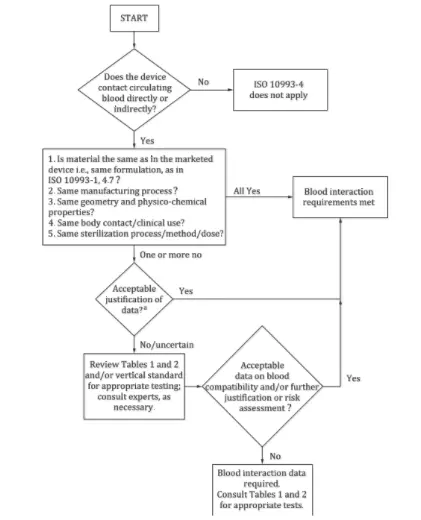 What is Hemocompatibility Testing ISO 10993?
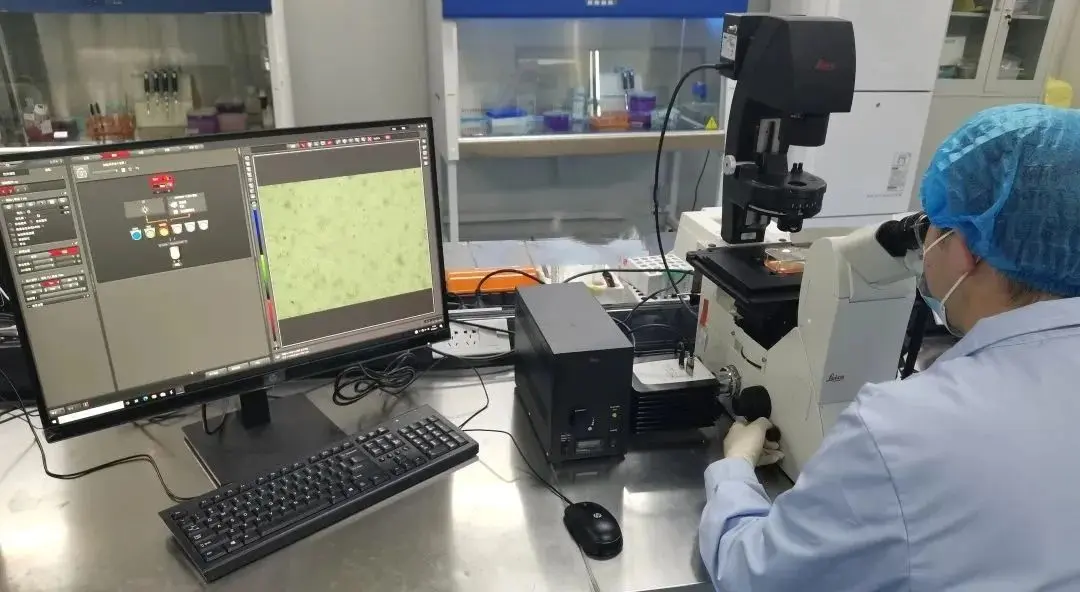 What is ISO 10993-5 Tests for In Vitro Cytotoxicit
 Electronic Product IEC 62368-1 Safety Testing
 What is an EU SDS (Safety Data Sheet)?
 What is the CA Prop 65 Warning Label?
 2026 Amazon TIC Mandatory Audit Catalog
 Australian Electrical EESS and RCM Compliance
Leave us a message
24-hour online customer service at any time to respond, so that you worry!