



What is ISO 10993-5 Tests for In Vitro Cytotoxicity?
What is the In Vitro cytotoxicity test?
The cytotoxicity test is the most fundamental and frequently performed in vitro test in the biological evaluation of medical devices, conducted in accordance with iso 10993-5. Common methods include the extraction method (quantifying cell viability using the MTT colorimetric assay), the direct contact method, and the agar diffusion method, commonly utilizing cell lines such as L929 mouse fibroblasts. Results are evaluated based on cell viability or reaction grading; if the survival rate falls below a certain percentage, the material is judged to have potential cytotoxicity. This article explains the method selection, extraction conditions, evaluation criteria, and common causes of failure based on ISO 10993-5.
Almost all medical devices that come into direct or indirect contact with the human body require the submission of biological evaluation data during registration. The cytotoxicity test is often the first and most critical in vitro screening test among them. By observing the effects of device extracts on cultured cells, it quickly determines whether the material will release harmful substances that damage cells. Understanding the methodological logic and influencing factors of iso 10993-5 is a prerequisite for successfully performing this test and avoiding repeated retesting.
Standard ISO 10993-5
The international standard ISO 10993-5 specifies the methods for in vitro cytotoxicity testing of medical devices and materials. As part of the biological evaluation series (ISO 10993), the cytotoxicity test features high sensitivity, a relatively short testing cycle, and controllable costs. Therefore, it is widely used as a primary screening for biocompatibility evaluation—once significant cytotoxicity is detected, it usually means the material or manufacturing process needs improvement before proceeding to subsequent animal testing.
How to Choose Among the Three Common Methods
The standard provides three types of in vitro test methods, which can be selected based on the material's form and the evaluation purpose:
1.Extraction Method: Uses an extraction medium to prepare the device extract, applies it to cells, and then quantifies cell viability using the MTT colorimetric assay. It is quantifiable, highly reproducible, and the most commonly used method.
2.Direct Contact Method: Places the sample directly on the cell layer to observe the cellular reaction. It is suitable for evaluating the contact surface and provides a more direct simulation.
3.Agar Diffusion Method: Involves indirect contact through an agar layer to observe the cellular reaction zone. It is suitable for certain solid or specially shaped samples.
Among these, the Extraction MTT Method is the most mainstream choice in registration testing because it provides a quantified survival rate, making it easy to evaluate and compare. The principle of the MTT method is that mitochondrial enzymes in living cells reduce MTT to a colored formazan. By measuring the absorbance (OD value), the cell viability relative to the control group can be calculated.
Cell Lines and Test Systems
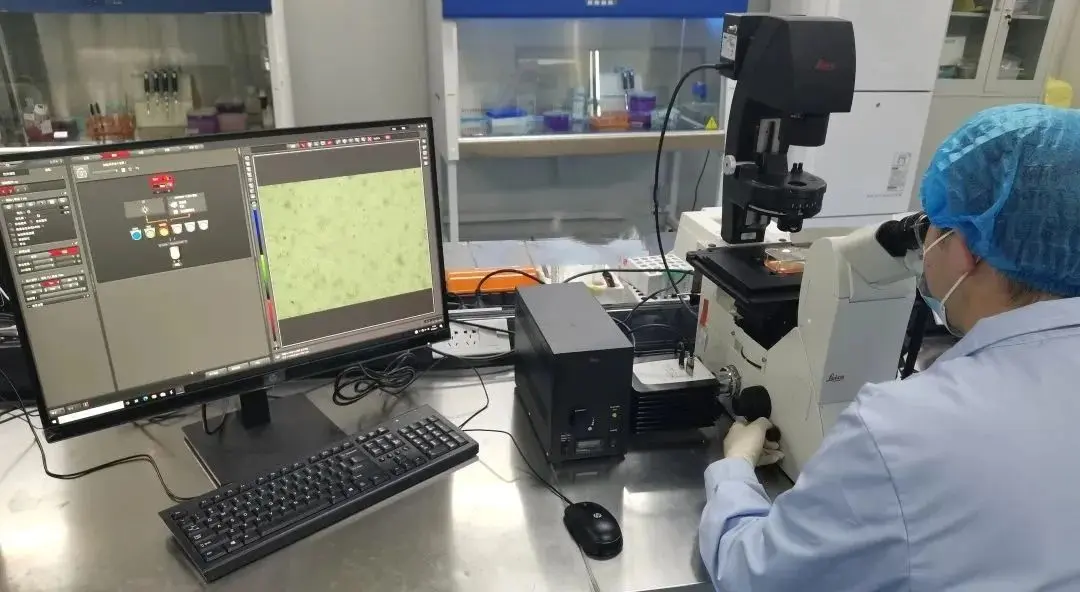
The test commonly uses cell lines recommended by ISO 10993-5, such as L929 mouse fibroblasts. According to standard requirements, after inoculation, cells must be cultured to an appropriate density (e.g., subconfluency) and exposed to the test sample or extract for a specified time (usually no less than 24 hours) before performing the MTT assay. Standardized cell conditions, passage numbers, and culture conditions are the foundation for reliable results.
Evaluation Criteria: Potential Cytotoxicity is Determined if Viability Falls Below a Certain Percentage
Results are determined based on cell viability or reaction grading. For the quantitative MTT method, the common criterion provided by the international standard ISO 10993-5 is: when the extract reduces the cell viability to below 70% of the control group, the sample is considered to have potential cytotoxicity.
For the direct contact method and agar diffusion method, a reaction grading from 0 to 4 is assigned based on changes in cell morphology and the size of the reaction zone; a grade of 2 or above is generally considered to indicate a cytotoxic effect. Regardless of the method used, the core objective is to translate the "degree of cell damage" into an evaluable metric.
Extraction Conditions: The Most Overlooked Yet Most Impactful Step
Many fluctuations in cytotoxicity results do not stem from the material itself, but from non-compliant extraction conditions. The standard clearly specifies the extraction medium, temperature, time, and surface area-to-volume ratio. These parameters have a significant impact on the results:
1.Extraction Medium: A serum-containing culture medium or other specified media should be selected based on the material's properties. The polarity of the medium affects the types and amounts of extractable substances.
2.Temperature and Time: Extraction must be performed for a specified duration under defined conditions, such as 37 °C. Excessively high temperatures or prolonged times will alter the extraction behavior.
3.Surface Area/Volume Ratio: The sample surface area corresponding to a unit volume of extraction medium must comply with standard regulations. Deviations in this ratio will directly magnify or reduce the manifestation of toxicity.
Improper extraction conditions are a common cause of "false positives" or irreproducible results in cytotoxicity testing.
Common Causes of Failure and Solutions
1.Material Formulation Issues: Excessive extractable substances such as residual monomers, processing aids, plasticizers, and catalysts are the primary causes of true cytotoxicity. Improvements must be made to the formulation and manufacturing process.
2.Cleaning/Sterilization Residues: Residues from mold release agents, cleaning agents, or sterilization by-products (such as ethylene oxide residues) may cause toxicity. Cleaning and aeration processes should be optimized.
3.Non-compliant Extraction or Operations: Improper extraction ratios, media, or non-sterile operations can lead to distorted results. Standards must be strictly followed during execution.
Conclusion
The cytotoxicity test is the "first checkpoint" in the biological evaluation of medical devices. Following ISO 10993-5, choosing the right method (primarily the extraction MTT method), using the correct cells (such as L929), strictly controlling extraction conditions, and scientifically evaluating results based on criteria like the 70% viability threshold are essential for the test to accurately reflect the material's biosafety. When results fail, troubleshooting should prioritize three areas: material formulation, sterilization residues, and extraction compliance. Welcome to learn more about our testing services or refer to our comprehensive biocompatibility evaluation solutions.
About JJR Lab
JJR Lab holds qualifications such as CNAS, CMA, and IAS. We can undertake ISO 10993-5 cytotoxicity tests and the biological evaluation series for medical devices, providing technical support for product registration and export certification.
Email:hello@jjrlab.com
Write your message here and send it to us
 What is Cytotoxicity ISO 10993-5
 What is Hemocompatibility Testing ISO 10993?
 What is ISO 10993-5 Tests for In Vitro Cytotoxicit
 Electronic Product IEC 62368-1 Safety Testing
 What is an EU SDS (Safety Data Sheet)?
 What is the CA Prop 65 Warning Label?
 2026 Amazon TIC Mandatory Audit Catalog
 Australian Electrical EESS and RCM Compliance
Leave us a message
24-hour online customer service at any time to respond, so that you worry!