



What is EN 300 440 Compliance Certification?
What is EN 300 440?
EN 300 440 is a harmonized standard developed by ETSI for Short Range Devices (SRDs) operating in the 1 GHz to 40 GHz frequency range. It is used to demonstrate that a product complies with Article 3.2 (radio spectrum access and avoidance of harmful interference) of the eu red directive 2014/53/EU. It is not a certificate itself, but rather the most commonly used testing standard for enterprises to complete the CE-RED conformity assessment.
Scope of Application for EN 300 440
Applicable to transmitters and receivers of Short Range Devices operating between 1 GHz and 40 GHz. Typical products include:
1.Wireless doorbells, remote control switches, garage door controllers, alarms
2.Industrial wireless sensors, temperature/humidity/pressure telemetry
3.Short-range RFIDs, non-cellular wireless POS peripherals
4.2.4 GHz links for remote control models
5.24 GHz low-power short-range radars (human body sensing, water level detection)
6.Wireless keyboards and mice (non-Bluetooth parts), wireless headphone bases
Do NOT use EN 300 440 for the following:
1.2.4G Wi-Fi/Bluetooth must use EN 300 328.
2.5G RLAN must use EN 301 893.
3.Cellular devices must use EN 301 908.
4.< 1 GHz (433/868 MHz) remote controls must use EN 300 220.
Note: Choosing the wrong standard is the most common reason for certification rejection.
EN 300 440 Test Items
6 Steps for EN 300 440 Certification
1.Product Classification: Confirm the frequency band, modulation, and power to select the correct EN 300 series standard.
2.Pre-testing: Conduct preliminary testing to establish a baseline and avoid rework or board modifications.
3.Formal Testing: Perform RF + EMC + Safety testing at a CNAS/A2LA accredited laboratory (such as JJR).
4.Technical Documentation: Compile circuit diagrams, BOMs (Bill of Materials), user manuals, risk assessments, and test reports. Retain these for 10 years.
5.Signing the eu doc: The legal representative signs the Declaration of Conformity (DoC), declaring compliance with all RED provisions.
6.ce marking and Market Entry: Affix the ce mark, manufacturer details, model, and traceability information on the product.
Is a Notified Body (NB) required?
For standard SRDs that fully apply OJ (Official Journal) harmonized standards covering all RED provisions, Module A self-declaration can be used, and a Notified Body is not required. An NB is only required when the product involves unharmonized standards or high-risk applications.
Differences from Other ETSI Standards
FAQ
Q1: Is EN 300 440 a mandatory certification?
A: It is not an independent certificate, but rather a harmonized standard published in the OJ. If a product falls under the 1–40 GHz SRD category and is sold to the EU, it must undergo conformity assessment according to the red directive. Testing according to EN 300 440 is the most common compliance path for these devices.
Q2: What products is it applicable to?
A: 1–40 GHz Short Range Devices (SRDs), such as wireless doorbells, remote-controlled door locks, wireless sensors, RFIDs, remote-controlled toys, telemetry devices, industrial wireless switches, and 24 GHz short-range radars.
Q3: What is the difference between it and EN 300 328 or EN 301 893?
A: EN 300 328 regulates 2.4G Wi-Fi/Bluetooth; EN 301 893 regulates 5G RLAN; whereas EN 300 440 regulates general 1–40 GHz SRDs.
Q4: What is the timeline and cost?
A: Standard models typically take 2–4 weeks, while complex multi-band models take 4–6 weeks. The cost ranges from several thousands to tens of thousands of RMB, depending on the number of frequency bands, whether the antenna is built-in, and whether any rectifications/modifications are required.
Q5: Is a Notified Body required?
A: For standard SRDs that fully adopt OJ harmonized standards, a Module A self-declaration is sufficient, and a Notified Body is not required. It is only required for scenarios that are not fully covered by harmonized standards or involve high risks.
Email:hello@jjrlab.com
Write your message here and send it to us
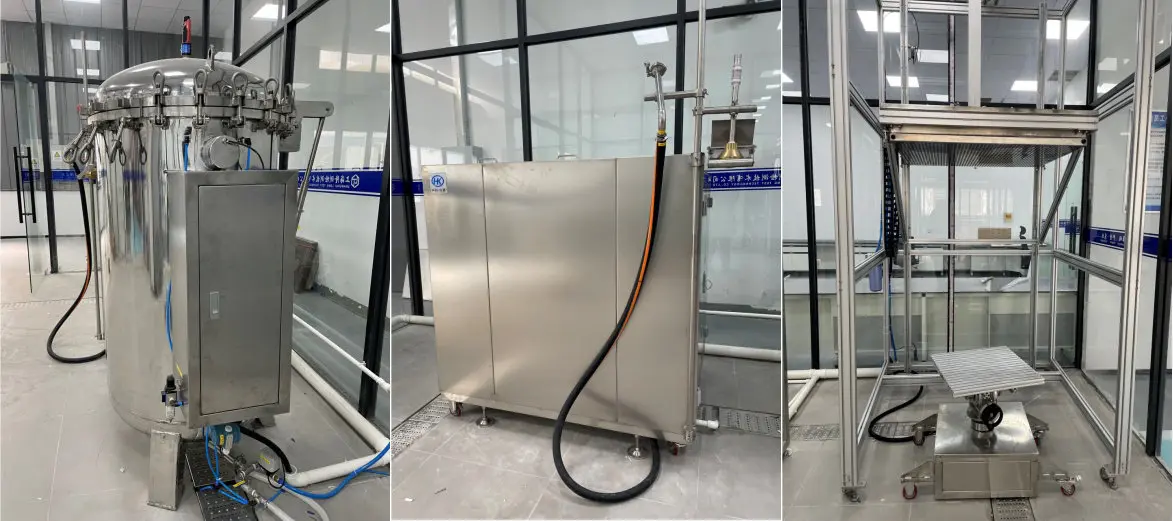 How to get an EN 300 440 Test Report
 What is EN 300 440 Compliance Certification?
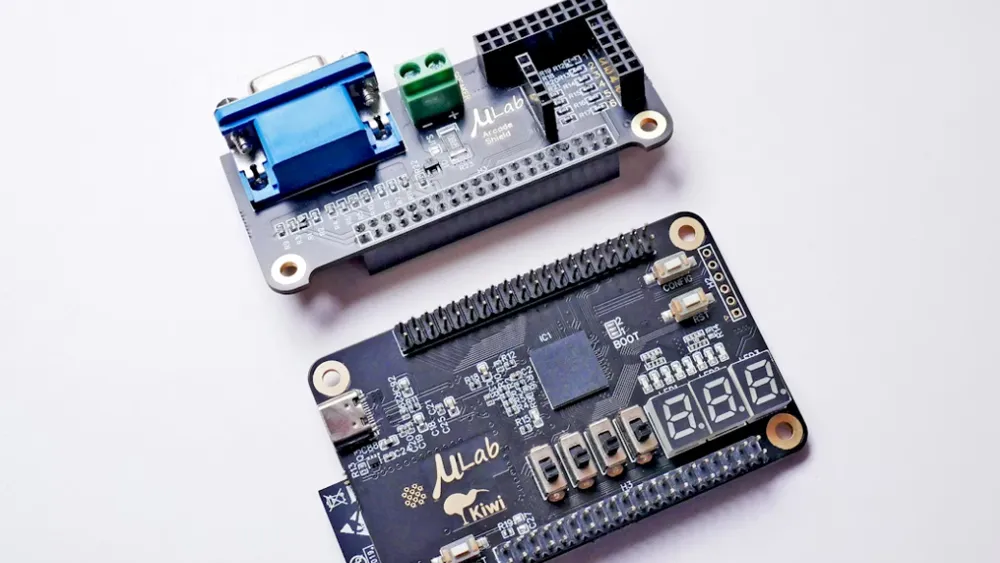 Detailed Explanation of CE Certification for SRD 1
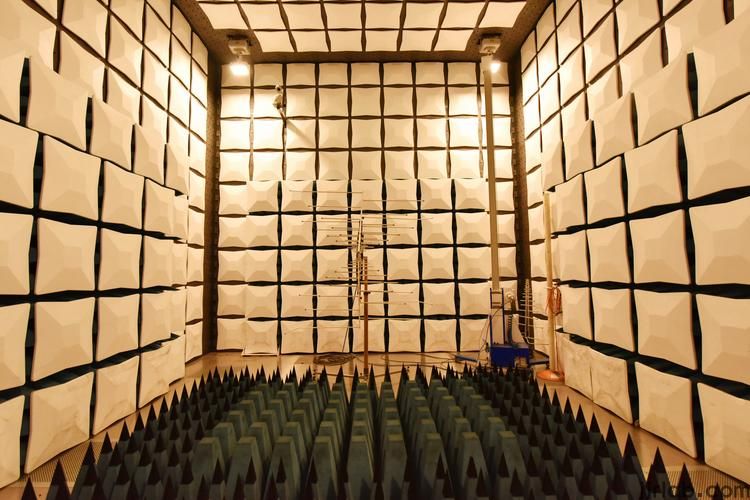 How to get an EN 301 893 test report?
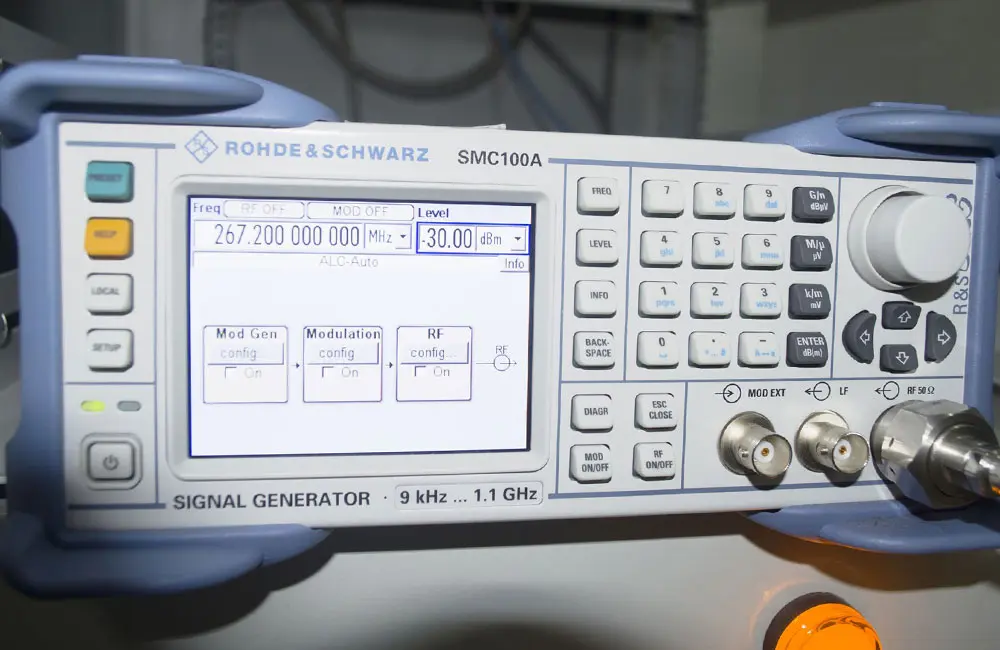 What is EN 301 893 Certification Compliance
 What is the CSA 62368-1 Standard?
 Canadian Pacifier Compliance SOR/2016-184
 US Agent for FCC & EC REP for CE: Compliance R
Leave us a message
24-hour online customer service at any time to respond, so that you worry!