



What is Mexico's NOM Certification? What are the Standard?
In many countries, manufacturers, distributors, and importers of electronic or electrical equipment must demonstrate that their products meet minimum safety requirements for end users and their environments.
Each country or region requires these products to comply with local standards and demonstrate compliance before they can be sold in that market.
In Mexico, the market requires more than 2,000 classified products imported into the country to comply with the Norma Oficial Mexicana (NOM) standards.
These products span multiple industries, but some industries, such as electrical equipment and electronics, include additional mandatory energy efficiency requirements.
With a market of over 100 million people, manufacturers and importers must strive to obtain nom certification to bring their products to market.
What is NOM Certification?
NOM certification in Mexico is the abbreviation for Normas Oficiales Mexicanas, Mexico's mandatory safety mark that indicates products comply with relevant NOM standards.
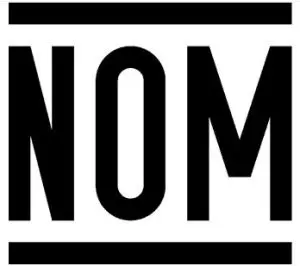
The nom mark applies to most products, including telecommunication and IT equipment, household appliances, lighting fixtures, and other products with potential health and safety risks.
Whether manufactured locally in Mexico or imported, products must comply with the relevant Mexican NOM standards and labeling regulations, regardless of whether they have previously passed certification from the U.S., Canada, or other international standards. Mexico only recognizes its own NOM safety mark, and safety marks from other countries are not acknowledged.
Under Mexican law, the licensee of the NOM must be a Mexican company responsible for product quality, maintenance, and reliability (i.e., NOM certification must be issued under the name of a local Mexican company). Test reports are issued by laboratories accredited by SECOFI and reviewed by SECOFI, ANCE, or NYCE. If the product complies with relevant regulations, a certificate is issued to the Mexican representative of the manufacturer or exporter, and the product can bear the NOM mark.
Scope and Compliance of NOM Certification
NOM outlines the minimum safety requirements that organizations and their products (including production methods) must meet. They must also comply with packaging and material-related requirements, such as commercial information and labeling. For electronic or electrical products, related energy efficiency standards may also be required.
NOM requirements for electrical and electronic products include:
- Safety requirements (certification)
- Energy efficiency or sustainable energy use law (LASE) declaration
- Electromagnetic compatibility (EMC)
- Commercial information requirements (packaging)
- Formal approval
All applicable products entering the Mexican market must comply with these regulations and obtain the NOM mark, including export products that were previously allowed into the country before these standards were established.
Steps for NOM Certification
The first step in the NOM certification process is for the manufacturer to complete the application. During this time, a notice will be sent by an accredited laboratory outlining any non-compliance issues discovered. All non-compliance or defects must be addressed before beginning the certification process.
It is essential to work with an accredited certification body (CB) to fully understand the options for initial certification, follow-up inspections and testing, and future certification renewals.
Testing
Testing is a crucial step in the NOM certification process. The testing process requirements must be followed strictly, with no deviations, to avoid the risk of certification denial.
Technical Documentation
These requirements vary by standard and may be specific to the third-party certification company completing the tests. However, they typically include the following:
- Operation or service manuals translated into Spanish
- Technical specification sheets
- Product photos and electrical diagrams
- Information on rated frequency (Hz), power supply voltage (V), power consumption (W), or rated current (A)
- Power supply type specification (AC or DC)
- List of components as needed
- Mexican tariff number (8-digit code)
Additional documents may be required depending on the specific circumstances.
Certification and Inspection
The correct form for NOM certification must be used, as this is only granted by certification bodies accredited by Mexican certification entities (such as EMA) and approved by the General Directorate of Standards (DGN) in Mexico.
The product must undergo mandatory follow-up inspections and testing to ensure compliance throughout the certification cycle. The number and frequency of audits depend on the standard but usually occur seven to nine months after the initial certification. Follow-up visits are mandatory.
While NOM certification is not transferable, the certificate holder may forward the usage rights to distributors within Mexico. These distributors can then obtain their own NOM certification without additional testing.
Audit Timeframe
After all documentation is submitted, the NOM application process typically takes 5 to 6 weeks to complete. Once finalized, the original certificate and report will be sent to the local agent in Mexico, while the original applicant will receive a faxed copy. The agent is required to keep the original certificate and report for future inspection reference.
Email:hello@jjrlab.com
Write your message here and send it to us
 ISO 10993 Biocompatibility Standards
 Medical TPV ISO 10993 Biocompatibility Testing
 FDA Requirements for Biocompatibility under ISO 10
 Amazon Spain WEEE Compliance Deadline: September 3
 What is the ASTM F2264 Certification Test?
 What is ASTM F2194 Certification Testing?
 What is the ASTM F2167 Certification Test?
 What is the ASTM F2050 Certification Test?
Leave us a message
24-hour online customer service at any time to respond, so that you worry!