



Wi-Fi Devices FCC Part 15 Certification
Why is fcc Certification Crucial for Wi-Fi Devices Expanding to the U.S. Market?
fcc certification is a legal requirement for Wi-Fi devices entering the U.S. market, concerning product legality and market access. Uncertified products face legal risks, while certified devices ensure electromagnetic compatibility, reduce interference, guarantee communication stability, and enhance international competitiveness and credibility.
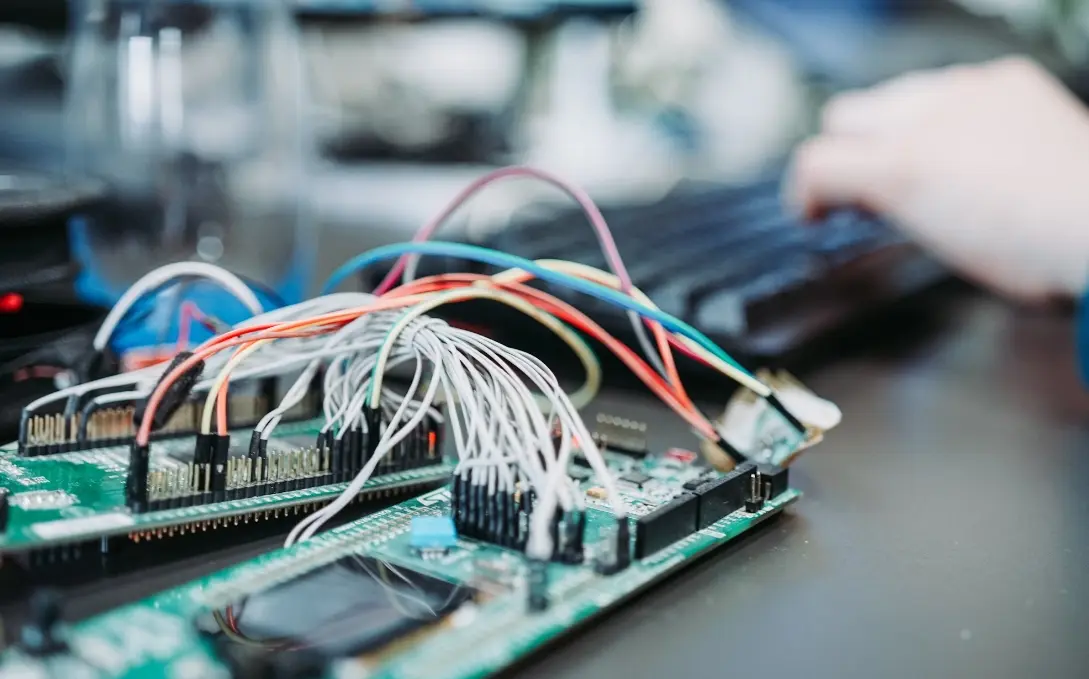
Wi-Fi Devices fcc part 15 Certification Standards
(1) Overview of Core Points in FCC Part 15
FCC Part 15 strictly regulates electromagnetic interference from radio frequency devices, distinguishing between Class A and Class B devices. The Class B home-use standard is stricter, limiting electromagnetic interference during normal device operation to maintain a healthy electromagnetic environment.
(2) Specific Sub-standards for Wi-Fi Devices
The main regulations include Part 15.247 (for the 2.4 GHz band) and Part 15.407 (for the 5 GHz band), which define key indicators such as transmission power, channel bandwidth, and more. The 5 GHz band also involves the DFS mechanism to ensure efficient communication without interfering with other users.
Wi-Fi Devices FCC Certification Test Items
(1) RF Performance testing
This includes tests for transmission power, frequency band occupation, and signal quality, ensuring signal strength, band compliance, and accurate data transmission while maintaining communication stability in complex electromagnetic environments.
(2) Electromagnetic Compatibility (EMC) Testing
Through radiation and conducted emission tests, electromagnetic interference from the device to both space and conductive pathways is measured to ensure the device coexists harmoniously with surrounding electronic equipment.
(3) Safety Performance Testing
This includes sar testing, evaluating the energy absorption of the human body from Wi-Fi device RF radiation to ensure it is within safe limits and protect user health.
Wi-Fi Devices fcc part 15 certification Documentation
(1) Product Technical Documents
Product manuals, circuit diagrams, and PCB layouts assist reviewers in understanding the device's electrical principles and design, identifying potential sources of interference, and ensuring compliance.
(2) Test Report-Related Documents
These must be issued by an FCC-recognized laboratory and include test results, methods, and equipment parameters, providing essential data support for certification and ensuring test fairness and reliability.
(3) User Manual and Other Materials
The user manual guides proper operation, the FCC declaration reflects corporate responsibility, and the certification application form and authorization letter ensure a standardized and effective application process.
Wi-Fi Devices fcc part 15 certification Process
(1) Preparation: Determine Product Category and Standards, Choose a Laboratory
Clarify the category and standards based on product characteristics, and select a qualified laboratory. The laboratory's professional capabilities and equipment ensure accurate testing, laying a solid foundation for certification. (JJR Laboratory in China provides services)
(2) Testing: Comprehensive Testing to Ensure Compliance
The laboratory tests comprehensively according to the standards, records data in detail, and strictly controls the testing environment and process, providing a solid basis for certification.
(3) Application Submission: Organize Materials and Submit Application
Once all materials are prepared, submit the application to the FCC or TCB, ensuring proper format and accurate content to facilitate a smooth application review process.
(4) Review and Certification: Await Feedback and Obtain fcc id
The FCC or TCB reviews the materials and results, which takes around 2 - 4 weeks. After passing the review, the product receives an FCC ID, allowing it to legally enter the U.S. market. The company must label the FCC ID to demonstrate compliance.
After Certification, Stay Compliant: Ongoing Compliance Points
The product must be marked with the fcc logo and ID number for easy monitoring and identification. Any changes to the product may affect its electromagnetic performance, so companies should proactively assess the need for re-certification. They should also respond actively to market supervision inspections and promptly address issues to maintain the product's reputation and market position.
FCC Part 15 certification is crucial for Wi-Fi devices entering the U.S. market. JJR Laboratory in China offers certification services. Feel free to contact us for inquiries!
Email:hello@jjrlab.com
Write your message here and send it to us
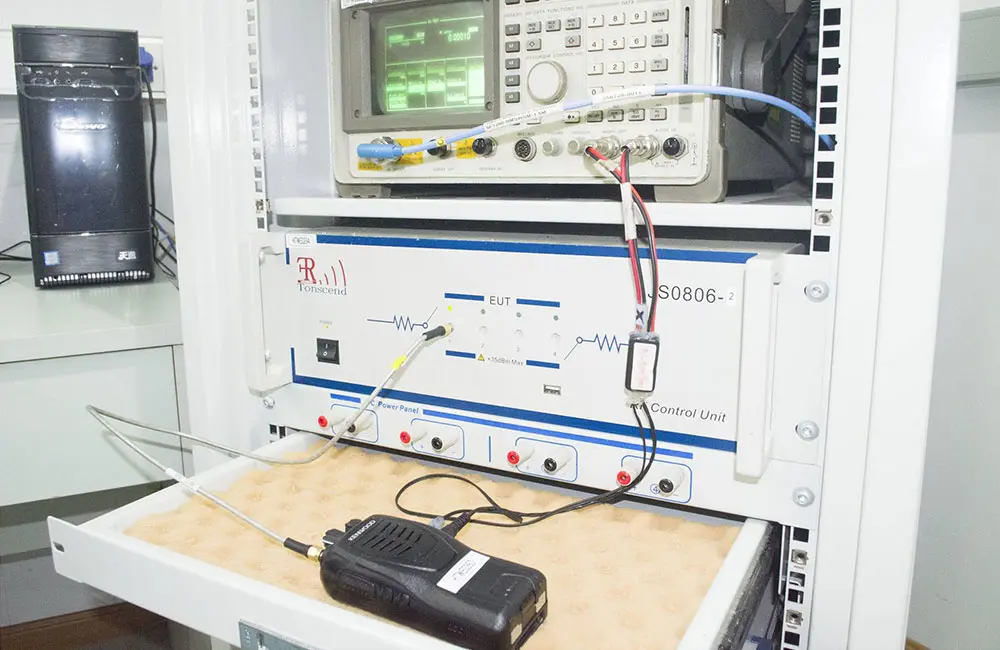 What is the ASTM F2167 Certification Test?
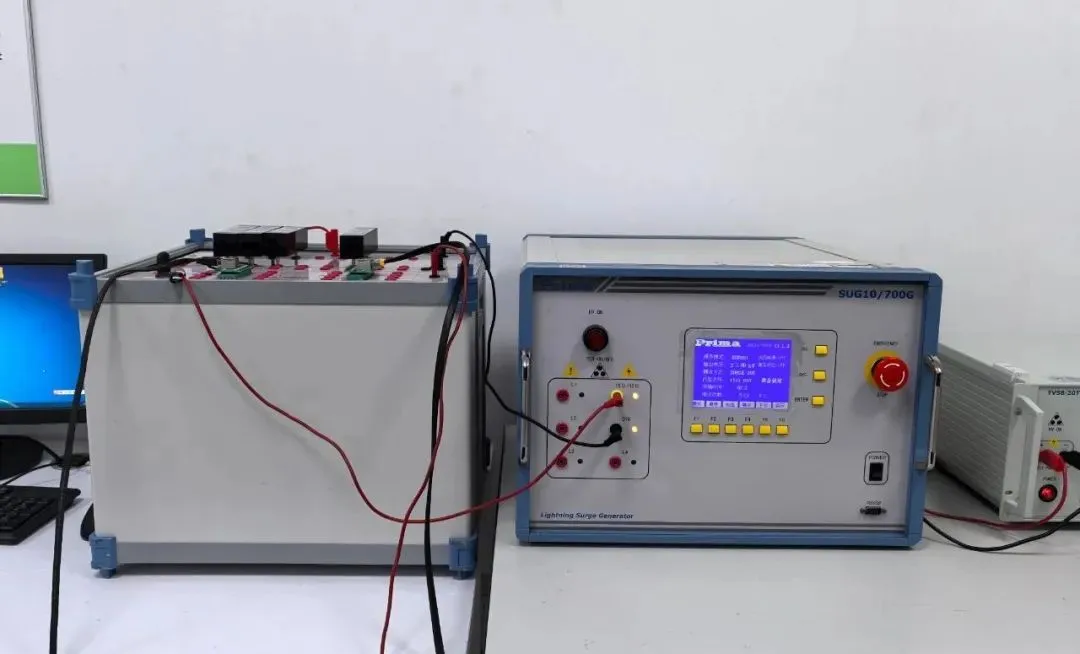 What is the ASTM F2050 Certification Test?
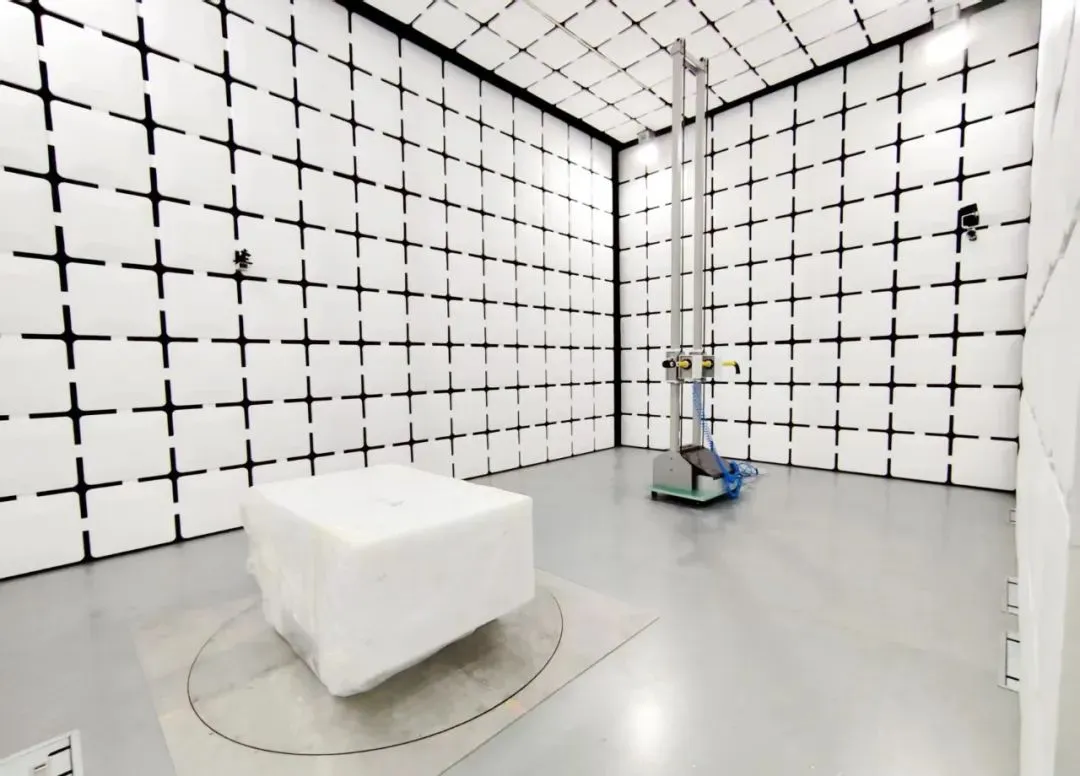 What is ASTM F1967 Certification Testing? How to g
 What is the ASTM F1917 Certification Test?
 How to get ASTM F1821 Certification
 What is the ASTM F1821 Testing Standard?
 Electronic Products Safety Testing Laboratory
 HAC Hearing Aid Compatibility Testing
Leave us a message
24-hour online customer service at any time to respond, so that you worry!