


Electrical Safety Test for Medical Equipment
For manufacturers planning to export to Europe and the United States in 2027, electrical safety testing for medical equipment is a crucial part of product compliance.
Among them, the iec 60601 series of standards is an important basis for the safety testing of medical electrical equipment, covering items such as leakage current, dielectric strength, temperature rise, mechanical safety, and electromagnetic compatibility (EMC).
What are the compliance requirements for exporting medical devices to Europe and the US?
To enter the European and American markets, medical devices need to meet corresponding regulatory requirements based on the product's intended use, risk classification, and technical characteristics.
EU: CE-MDR and CE-IVDR Compliance
Medical devices in the EU are primarily subject to the following regulations:
EU MDR 2017/745: Applicable to medical devices such as patient monitors, infusion pumps, and ultrasound equipment.
EU IVDR 2017/746: Applicable to hematology analyzers, in vitro diagnostic (IVD) devices, and related reagents.
Manufacturers must complete the applicable safety tests, risk assessments, technical documentation, and conformity assessments according to the product's risk classification, and affix the ce mark after meeting the requirements. Some products also require the involvement of an EU Notified Body for auditing.
US: FDA Medical Devices
The US FDA classifies medical devices into Class I, Class II, and Class III. Different classes may involve marketing pathways such as 510(k), De Novo, or PMA.
In addition, the FDA's new Quality Management System Regulation (QMSR) took effect on February 2, 2026, and is further harmonized with the requirements of ISO 13485:2016.
For medical electrical equipment, the IEC 60601 series and related standards recognized by the FDA are important bases for evaluating product safety.
What are the medical device testing standards?
Medical device testing standards need to be selected based on product type, usage environment, and risk classification. Common standards include:
Among them, the IEC 60601 series is mainly aimed at medical electrical equipment; ISO 14971, IEC 62304, and iso 10993 involve other compliance assessment requirements.
Which testing standards correspond to different medical devices?
The specific standards corresponding to different medical products vary. Common ones are as follows:
For example, infusion pumps usually need to be tested in combination with IEC 60601-1 and IEC 60601-2-24; medical pulse oximeters need to focus on ISO 80601-2-61. Some in vitro diagnostic equipment is mainly applicable to the IEC 61010 series, rather than IEC 60601-1.
Please Note: For export projects in 2027, the latest versions of standards, EU harmonized standards, and FDA recognition status should be verified to ensure that the testing basis meets the requirements of the target market.
What items are included in the electrical safety testing of medical equipment?
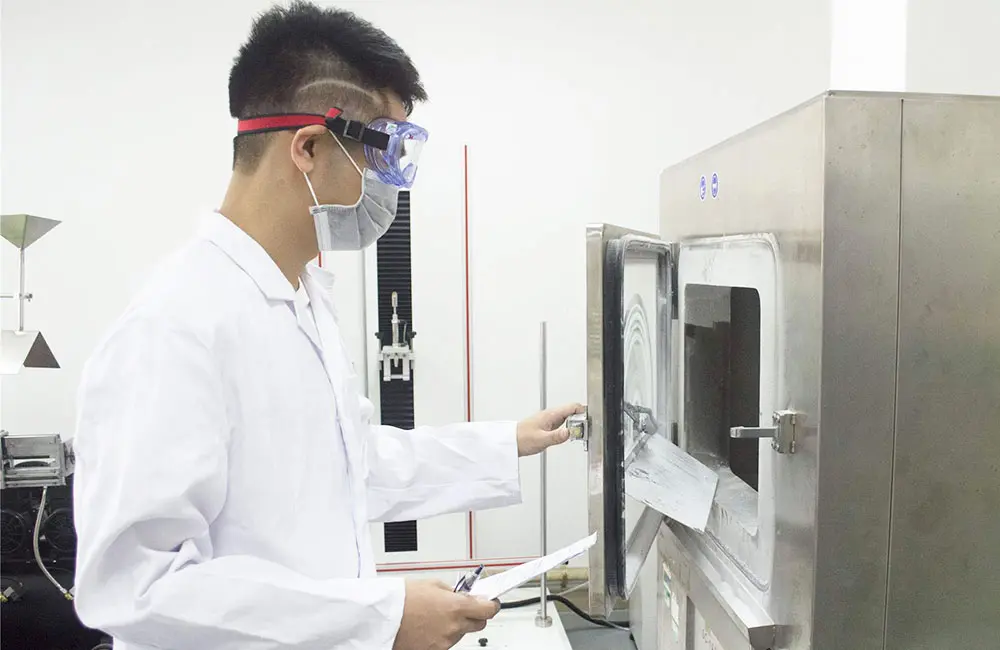
Electrical safety testing of medical equipment is mainly carried out according to IEC 60601-1 and applicable standards. Common items include:
1.Leakage Current Test Measures the leakage current of the equipment under normal and specified fault conditions to evaluate the risk of electric shock to patients and operators.
2.Dielectric Strength Test Verifies the withstand voltage capability of the insulation system to reduce the risk of insulation failure.
3.Protective Earth Test Checks the reliability of the equipment's protective grounding to ensure compliance with applicable electrical safety requirements.
4.Temperature Rise & Mechanical Safety Test Tests the operating temperature and mechanical structure safety of the equipment to reduce the risks of overheating, burns, and mechanical injuries.
5.Single Fault Condition Test Simulates specified single fault states to verify the basic safety and essential performance of the equipment.
6.Electromagnetic Compatibility (EMC) Test Evaluates the electromagnetic emission and immunity capabilities of the equipment according to standards such as IEC 60601-1-2.
The specific test items and limits need to be determined based on the product structure, usage environment, and applicable standards.
Why choose JJR LAB for electrical safety testing of medical devices?
For medical device companies exporting to Europe and the US, choosing a professional third-party testing laboratory helps improve efficiency. JJR LAB provides medical device electrical safety, IEC 60601 series, and emc testing services to assist manufacturers in conducting compliance testing for European and American markets.
For medical equipment exported to Europe and the US in 2027, enterprises need to focus on IEC 60601 electrical safety, emc testing, product-specific standards, and related regulatory requirements. JJR LAB provides medical equipment electrical safety testing, IEC 60601 series testing, and European and American compliance technical support to help enterprises improve testing efficiency and prepare for product export.
FAQ
For medical equipment exported to Europe and the US, is it enough to only do the IEC 60601-1 test?
Usually, no. IEC 60601-1 mainly covers the basic safety and essential performance of medical electrical equipment. Depending on the product type, IEC 60601-1-2 EMC testing, product-specific standard testing, and ISO 14971 risk management evaluation may also be required. Exporting to the EU requires meeting the applicable MDR or IVDR requirements, while exporting to the US requires complying with the corresponding FDA regulatory requirements.
Email:hello@jjrlab.com
Write your message here and send it to us
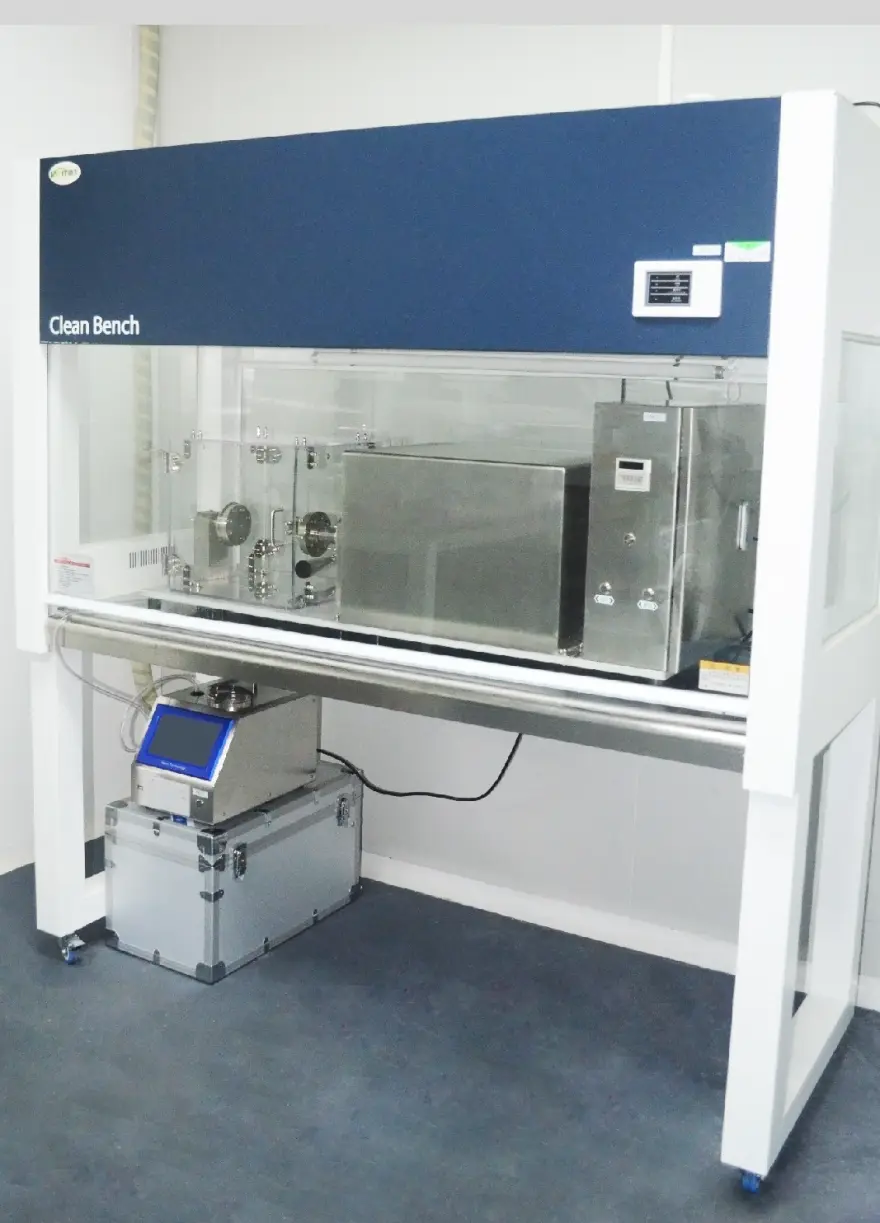 Electrical Safety Test for Medical Equipment
 Amazon Product Safety Compliance Guide
 Infant Products US & Canada CPC & SOR Comp
 What is ISO 10993 Chemical Characterization?
 What is ISO 10993 Certified? How to Get It ?
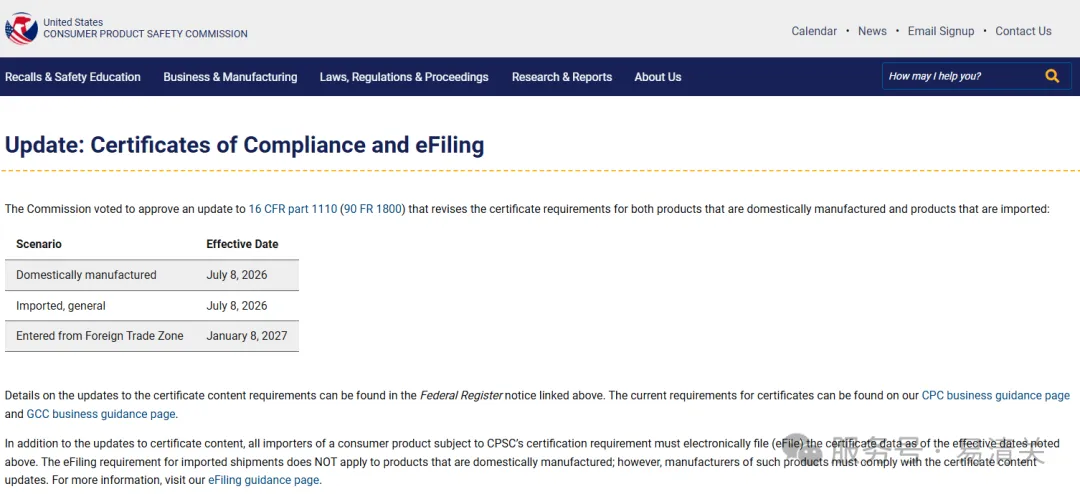 CPSC eFiling Requirements
 Temu 2027 Children's Products and Textiles Complia
 What Compliance is Required for Exporting Adult Cl
Leave us a message
24-hour online customer service at any time to respond, so that you worry!