



ASTM F963 Flammability Test
What is the ASTM Standard?
ASTM standards are documents developed and issued by ASTM International. The full name of ASTM is the American Society for Testing and Materials, the predecessor of the current organization. Although these standards are voluntary, they are frequently referenced, cited, and incorporated into specifications, regulations, and laws worldwide.

astm f963-17
The toy safety standard ASTM F963 has been revised. The current version, ASTM F963-17: Standard Consumer Safety Specification for Toy Safety, revises and supersedes the 2016 edition, and ASTM F963 is mandatory.
The ASTM F963-17 test methods cover toy testing to determine their applicability and appropriate age groups. They detail potential hazards of different toys and provide recommendations for mitigation. The methods identify the nature of hazards and children’s natural tendencies to respond to them, and also cover effective packaging and transportation of toys.
Toy Safety ASTM F963-17 Test Methods
In addition to guidelines, the ASTM F963-17 specification includes test methods for toys, applicable to toys intended for use by children under 14 years of age.
As toys vary in components and intended uses, the document covers various materials subject to its safety requirements.
For example, Section 4.6 of ASTM F963-17 covers small objects and states that "These requirements are intended to minimize the risk of choking, ingestion, or inhalation hazards from small objects to children under 36 months of age."
Tests Included in ASTM F963-17
• Chemical and Heavy Metal Restrictions
• Mechanical and Physical Properties
• Electrical Safety
• Small Parts
• Flammability
Chemical and Heavy Metal Restrictions
ASTM F963-17 includes test methods designed to ensure that levels of heavy metals and other restricted substances in toys, their materials, or components do not exceed specified limits.
These substances include lead, cadmium, and phthalates. Products and materials containing excess restricted substances (i.e., exceeding the specified limits) do not comply with ASTM F963-17 requirements.
Unlike en 71-3, ASTM F963 adds testing for total lead, but only imposes requirements on surface coatings for materials.
Mechanical and Physical Properties
ASTM F963-17 specifies mechanical and physical requirements for toys. Examples include:
① Sharp points
② Safety design
③ Small parts
④ Detachable components
Mechanical and physical properties directly impact toy design, as relevant elements must be implemented at the design stage to comply with ASTM F963-17.
Requirements for physical and mechanical properties mainly cover: impact tests, drop tests, tension tests for component removal, compression tests, flexure tests, etc.
Products with inherently non-compliant designs will fail ASTM F963-17 testing entirely.
Electrical Safety
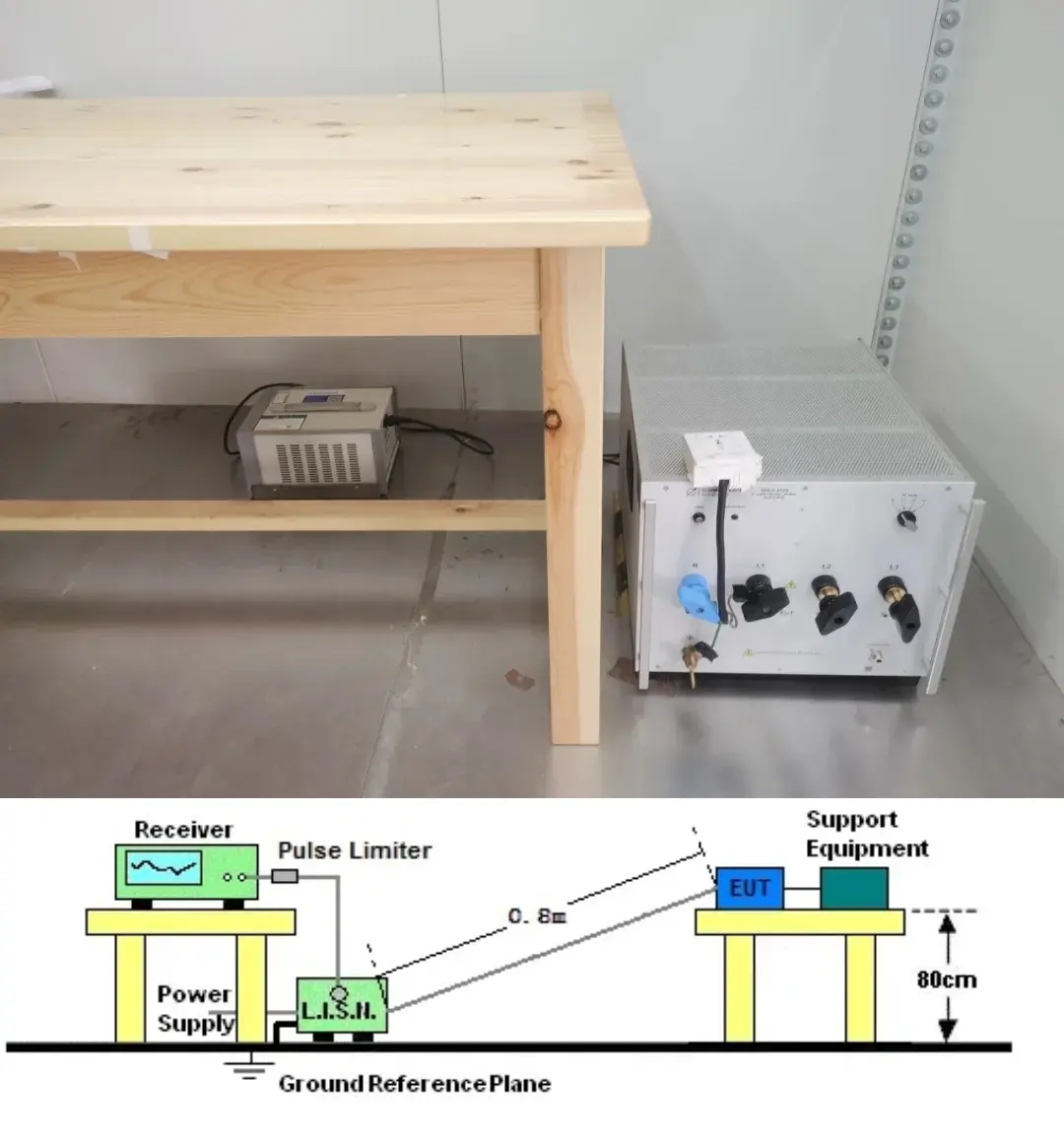
The standard also covers requirements related to electrical safety, as some children’s toys contain electrical components or batteries. It is critical that these components—and thus the toy itself—do not cause harm to the child using the toy.
The electrical safety aspects of ASTM F963-17 may affect PCBs and wiring diagrams, which must be considered during the toy’s design phase.
Small Parts
ASTM F963-17 sets forth requirements for small objects and small parts, which are subject to mandatory testing at CPSC-accredited laboratories.
Small parts requirements affect items such as beads, buttons, and plastic eyes on plush toys, as well as components that can be removed, disassembled, or separated by children—potentially creating a choking hazard.
Flammability
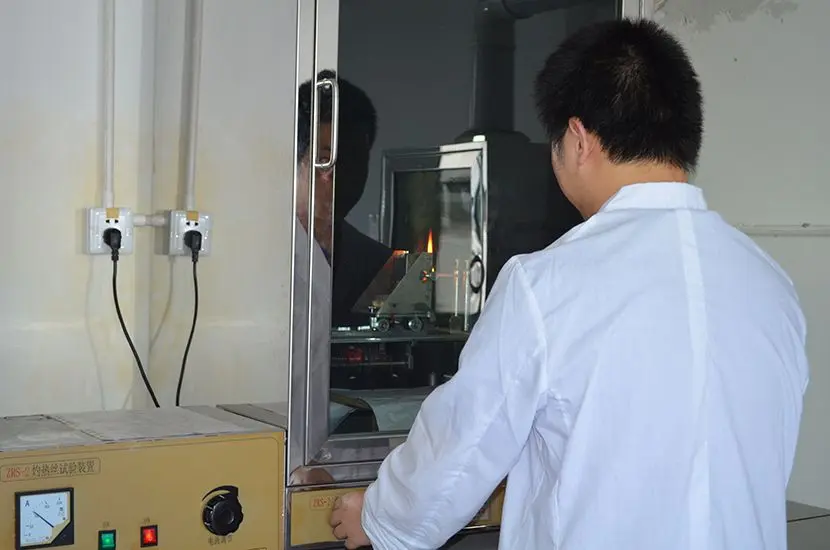
Certain toys must be tested to ensure they are not excessively flammable. The self-propagating burning rate along the major axis of the toy after ignition shall be less than 2.5 mm/s to avoid such incidents when children play near heat sources or open flames. Examples include plush toys.
Email:hello@jjrlab.com
Write your message here and send it to us
 EU PPWR New Packaging Compliance
 How to Obtain an MSDS/SDS Report
 CPSIA Testing Service Consulting
 Food Contact Materials Testing Services
 California 65 Testing Service Consultation
 REACH Chemical Testing Services
 Electronic Vaporizers EU TPD / US PMTA / UK MHRA
 ISO 10993 Biocompatibility Standards
Leave us a message
24-hour online customer service at any time to respond, so that you worry!