



ASTM F963 Board Games Compliance Testing
What is a Board Game?
A board game, also referred to as a tabletop game or tile-based game, is a type of tabletop game centered on rigid boards printed with graphics, text, and symbols as the core recording tool, played together with accessories such as game pieces, dice, and cards.
Compliance Standards for Board Games on Amazon US
In the U.S. market, especially for board games sold on the Amazon platform—particularly those intended for children aged 12 and under—products must comply with the mandatory safety standards established by the U.S. Consumer Product Safety Commission (CPSC). The core compliance requirements mainly include the following two aspects:
• ASTM F963 Standard: This is the U.S. toy safety standard, which specifies detailed technical requirements for toys used by children in all age groups under 14 years old. Although it is a voluntary standard, in commercial practice, toys that do not meet ASTM F963 are prohibited from entering the U.S. market.
• cpsia Act: The Consumer Product Safety Improvement Act, which sets limits on the content of lead and phthalates in children's products.
The Amazon platform explicitly mandates that all children's board games sold on the U.S. site must be accompanied by a Children's Product Certificate (CPC). This certificate is a compliance declaration issued based on test results from a CPSC-accepted third-party laboratory, certifying that the product meets all applicable children's product safety regulations.
If sellers fail to submit the CPC certificate on time, Amazon may remove the relevant product listings. Effective March 22, 2021, the U.S. CPSC has implemented electronic screenings for products entering U.S. ports, further strengthening compliance oversight of children's products.
Test Items for ASTM F963 Board Games
The astm f963 standard provides a comprehensive safety testing framework for board games, covering the following three major categories of risks:
Mechanical and Physical Performance testing
① Small Parts Test: Prevents choking hazards caused by ingestion of small components such as game pieces and dice by children.
② Sharp Edge and Sharp Point Test: Ensures that components including game boards and cards have no sharp edges or points that may scratch children's skin.
③ Mechanical Clearance Test: Eliminates gaps between game components that may pinch children's fingers.
④ Durability Test: Evaluates the strength of cards, stability of game pieces, etc., to ensure the product does not break easily under normal use.
Chemical Safety Testing
① Heavy Metals Content Test: Detects the content of 8 heavy metal elements including lead and cadmium, with lead content required to be below 90 ppm.
② Phthalates Test: Complies with the phthalate restrictions stipulated in the CPSIA Act.
③ Ink Safety Test: Ensures that the ink used for printing patterns on game boards contains no harmful chemical substances.
Flammability and Other Hazard Testing
① Flammability Test: Assesses the non-flammability of game materials, with a required burning rate lower than 30 mm/s.
② Electrical Safety Test: Conducts corresponding electrical safety assessments for battery-operated or electronically functional board games.
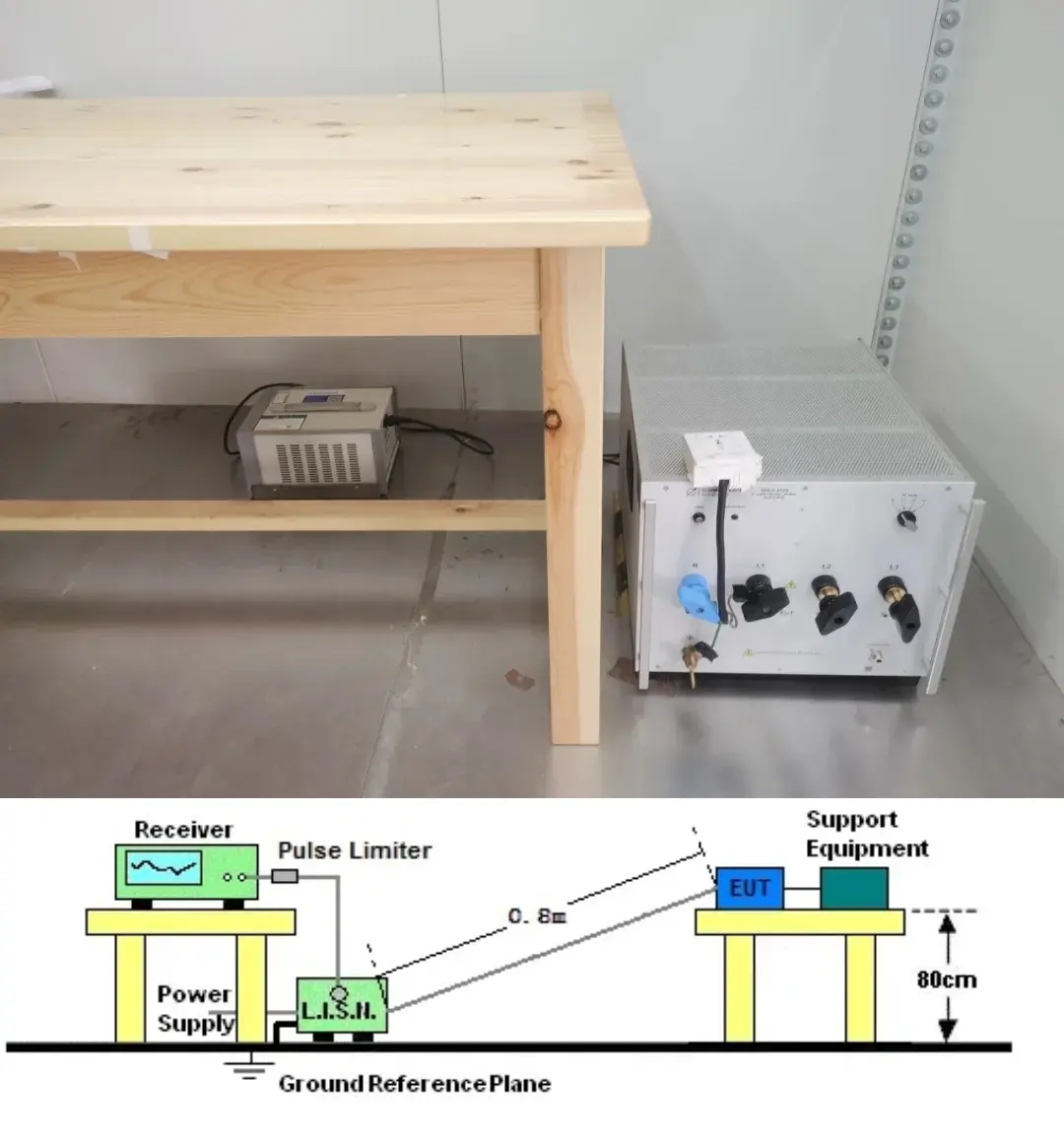
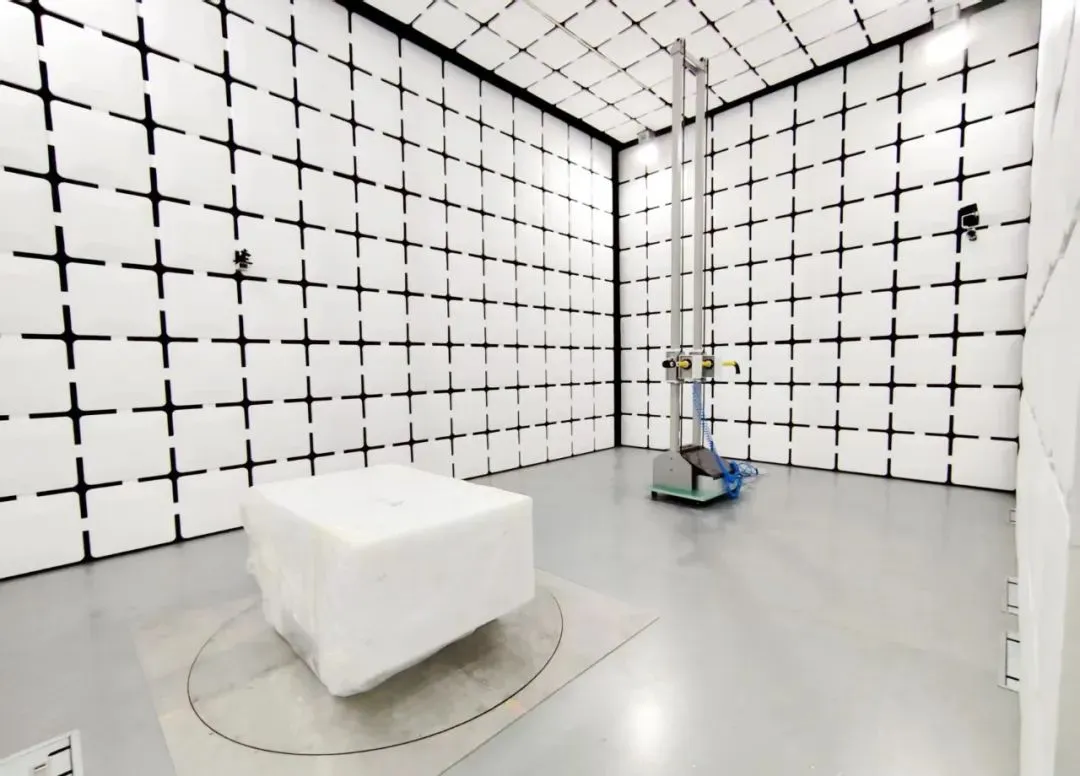
For wooden board games, special attention shall be paid to physical safety (such as burrs and protruding parts) and the toluene content in paint coatings. For board games with electronic functions (such as sound and light functions), compliance with fcc electromagnetic compatibility (EMC) testing requirements is also required.
ASTM F963 Board Games Compliance Process
1. Preparatory Work and Consultation
Enterprises shall first conduct a comprehensive compliance self-inspection of their products to ensure that materials and manufacturing processes meet standard requirements. Contact a CPSC-accepted third-party testing laboratory (e.g., JJR LAB—we can directly provide test reports and submit for TIC verification, etc.) for certification consultation to confirm testing fees and lead times.
2. Sample Submission and Testing
Prepare representative samples, complete the application form, and sign a testing contract. Laboratory engineers will conduct comprehensive astm f963 testing on the samples, with a normal turnaround time of 5–7 working days. During testing, the laboratory will use professional equipment such as tensile testers to check card strength, XRF analyzers for heavy metal content, and GC-MS for phthalate testing.
3. Test Report and Certificate Issuance
Upon passing the tests, the laboratory will issue a detailed test report and assist the enterprise in issuing the Children's Product Certificate (CPC). A complete CPC certificate shall include the following 7 elements:
① Product identification information
② Each applicable CPSC children's product safety regulation cited
③ Identity information of the importer or domestic manufacturer
④ Contact information of the party responsible for maintaining test records
⑤ Product production date and location
⑥ Date and location of product compliance testing
⑦ Information of the CPSC-accepted third-party laboratory relied on for testing
4. Amazon Platform Compliance
After obtaining the CPC certificate, sellers shall submit relevant compliance documents in the Amazon Seller Central for Amazon's "Direct Verification" process. Enterprises are advised to prepare all verification documents in advance to ensure product listings meet Amazon's TIC (Trust, Innovation, Compliance) requirements.
Strict adherence to the ASTM F963 standard and the CPSIA Act is an essential prerequisite for the successful sale of such products on Amazon US, especially products intended for children. To ensure smooth passage of compliance testing,
Email:hello@jjrlab.com
Write your message here and send it to us
 EU PPWR New Packaging Compliance
 How to Obtain an MSDS/SDS Report
 CPSIA Testing Service Consulting
 Food Contact Materials Testing Services
 California 65 Testing Service Consultation
 REACH Chemical Testing Services
 Electronic Vaporizers EU TPD / US PMTA / UK MHRA
 ISO 10993 Biocompatibility Standards
Leave us a message
24-hour online customer service at any time to respond, so that you worry!