



How to Get ASTM F963 Certification
In the United States, a children's product is defined as a consumer product designed or intended primarily for use by children aged 12 and younger. Children's products are regulated by the U.S. Consumer Product Safety Commission (CPSC) and must comply with a set of federal safety regulations known as the "Children's Product Safety Rules". Manufacturers and importers of children's products must certify in a written "Children's Product Certificate (CPC)" that their children's products meet the applicable Children's Product Safety Rules, based on test results from a CPSC-accepted laboratory. The CPC and related test reports must be in English.
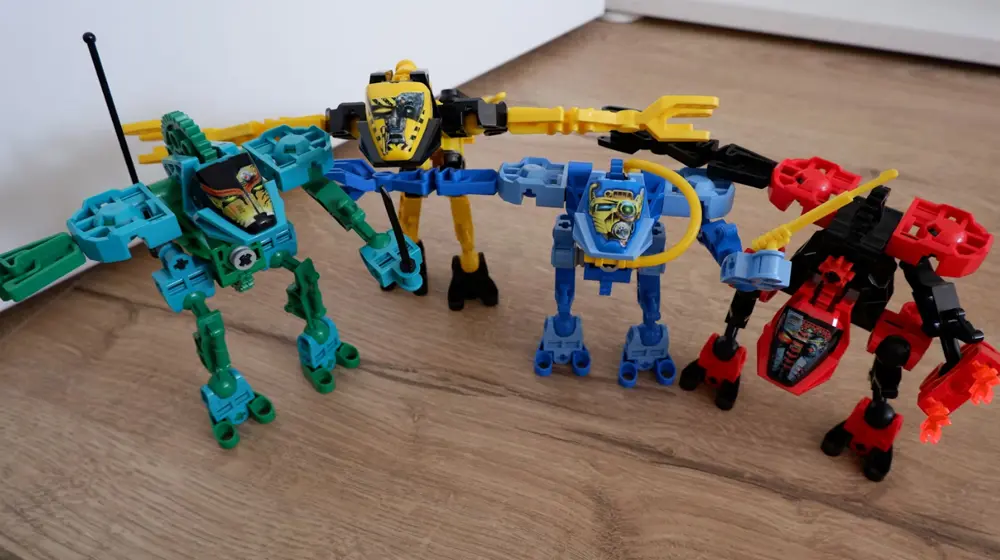
What is CPC Certification? Why is it Mandatory by Amazon?
CPC (Children's Product Certificate) is a children's product compliance certificate required by the U.S. Consumer Product Safety Improvement Act (cpsia), applicable to all products intended for children under 12 (including toys). Platforms such as Amazon review cpc certificates to ensure products comply with:
① CPSIA chemical restrictions (lead, phthalates, etc.)
② ASTM F963 mechanical and physical safety standards
③ Small parts/choking hazard protection
④ Tracking Label
Products without a CPC certificate are subject to risks including listing removal, account restrictions, and even legal liability.
Full Process for CPC Certification (5-Step Clearance)
Step 1: Confirm Product Applicability
① Applicable: Toys for children aged 12 and younger (plush, plastic, bubble machines, toys with electronic components, etc.)
② Note! Adult products or products for ages 13+ may be exempt
③ Confirm whether the toy is classified as a children's product (design intent is the key criterion)
④ Identify requirements for special categories (e.g., electric toys must additionally comply with UL 696 standard)
Step 2: Select a CPSC-Accepted Laboratory
① Screen laboratories via the CPSC official laboratory search system
② Prioritize laboratories with full testing capabilities for ASTM F963 and CPSIA
③ Pitfall Avoidance Tip: Beware of false reports from non-CPSC-accepted laboratories
④ Must select a CPSC-accepted laboratory (with ISO 17025 accreditation)
Step 3: Conduct Standardized Testing
Test Type | Core Standards | Key Operations |
Chemical Testing | CPSIA, astm f963-17 | Testing for lead/cadmium/phthalates (8P) |
Mechanical and Physical Testing | ASTM F963-17 | 15 tests including small parts, sharp edges, tensile testing, etc. |
Flammability Testing | 16 CFR 1500.44 | 45° angle burning rate testing (for fabric toys) |
Labeling Testing | 16 CFR 1500.121 | Compliance verification of warning statements and tracking labels |
Step 4: Compile Technical Documentation Package
① Bill of Materials (BOM): Detailed list of all component materials and supplier information
② Design Drawings: 3D models, structural drawings, dimension markings
③ Production Process Documents: Description of key processes (e.g., spraying, assembly)
④ Risk Assessment Report: Preventive measures for potential hazards (e.g., magnets, batteries)
Step 5: Issue CPC Certificate
(1) The certificate is compiled by the manufacturer or importer based on the test report
(2) Mandatory information to be included:
① Product identification (name/model/batch)
② Cited CPSC safety standards
③ Importer/manufacturer information
④ CPSC accreditation number of the testing laboratory
⑤ Certificate issue date and validity period
Key Amazon Audit Points and Response Strategies
Certificate Relevance
① Ensure a one-to-one correspondence between the CPC certificate and ASIN; avoid "one certificate for multiple listings"
② The certificate must clearly state "This certificate applies only to the children's products listed"
Tracking Label Compliance
① Labels must include: manufacturer name, production date, batch number, country of origin
② Example: "Made in China, Batch#ABC2023, 2023-09"
Warning Statement Requirements
① English warning statements must comply with 16 CFR 1500.19 (e.g., "Choking Hazard - Small Parts")
② Local language labels are required for multilingual markets (e.g., French for Canada)
Supply Chain Traceability
① Retain compliance declarations from raw material suppliers (e.g., lead-free declarations)
② Establish a batch traceability system to enable rapid recall of non-compliant products
Timing and Cost Reference
① Testing Cycle: 5–10 working days
② Certification Cost: Varies by product complexity; higher costs apply to electric toys
③ Cost Optimization Tip: Combine testing for products of the same model in different colors to reduce duplicate expenses
Ongoing Compliance Management
① Annual Review: Retesting is required if materials/designs are modified
② Regulatory Updates: Monitor CPSC announcements (e.g., new nitrosamine testing requirements added in 2023)
③ Response to Amazon Random Audits: Retain original test reports for at least 5 years and ensure availability for submission within 24 hours
Common Rejection Reasons and Solutions
① Certificate missing CPSC laboratory number: Contact the laboratory to add the number and reissue the certificate
② Test report lacking tracking label photos: Supplement high-definition images of the physical product label (including batch information)
③ Warning statement font too small: Ensure font height ≥ 1.6mm (ASTM F963 requirement)
CPC certification is the "passport" for toys to enter the Amazon US marketplace. Compliant certification not only avoids listing removal risks but also represents a commitment to consumer safety. Sellers are recommended to initiate the compliance process during the product selection phase.
Pitfall Avoidance Guide
① Incorrect age labeling leads to direct rejection! For example, a bubble machine labeled "0+" but tested to the 3+ standard will fail the report and be removed directly by the platform.
② Retesting is mandatory for material changes! Recertification is required if suppliers or coating batches are changed.
③ Print warnings on packaging bags! Plastic films must be labeled: "Choking hazard, keep away from infants and young children".
④ Chemical non-compliance is a high-risk area! Exceedances of phthalates, lead, cadmium, heavy metals, etc.
Frequently Asked Questions
How long is the CPC certificate valid?
No fixed validity period! However, recertification is required if materials/designs are modified.
Do cross-border e-commerce small sellers need to apply for it themselves?
Yes! A certificate provided by the factory that does not include your company information is invalid.
What if the test fails?
Conduct pre-test self-inspection! Focus on checking small part detachment (test eyes/buttons with 50N tensile force).
Required Images for Certificate Upload
The images uploaded together with the certificate must include:
① Model number, part number, or product number
② Name and address of the manufacturer, importer, private brander, distributor, or authorized representative
③ Product label
④ Registration card
⑤ Compliance mark
⑥ Hazard warnings
⑦ Product instructions and manuals
⑧ U.S. Consumer Product Safety Act tracking label permanently affixed to the product and its packaging
When submitting images or image-containing documents, please ensure:
① Images are clear and legible
② Images confirm the product matches the inspected item and the product listed on the product detail page
③ Product instructions, manuals, safety information, labels, and warnings are in the language of the target country/region of sale
④ For product sets or bundles, provide images for each individual product included
Email:hello@jjrlab.com
Write your message here and send it to us
 EU PPWR New Packaging Compliance
 How to Obtain an MSDS/SDS Report
 CPSIA Testing Service Consulting
 Food Contact Materials Testing Services
 California 65 Testing Service Consultation
 REACH Chemical Testing Services
 Electronic Vaporizers EU TPD / US PMTA / UK MHRA
 ISO 10993 Biocompatibility Standards
Leave us a message
24-hour online customer service at any time to respond, so that you worry!