



What Are CPSIA ASTM F963-11 Compliance Standards?
U.S. toy technical regulations are categorized into two types: mandatory federal regulations and voluntary toy standards. ASTM F963 has been approved as a mandatory standard by a vote of the CPSC, while the cpsia is a specialized chemical safety act:
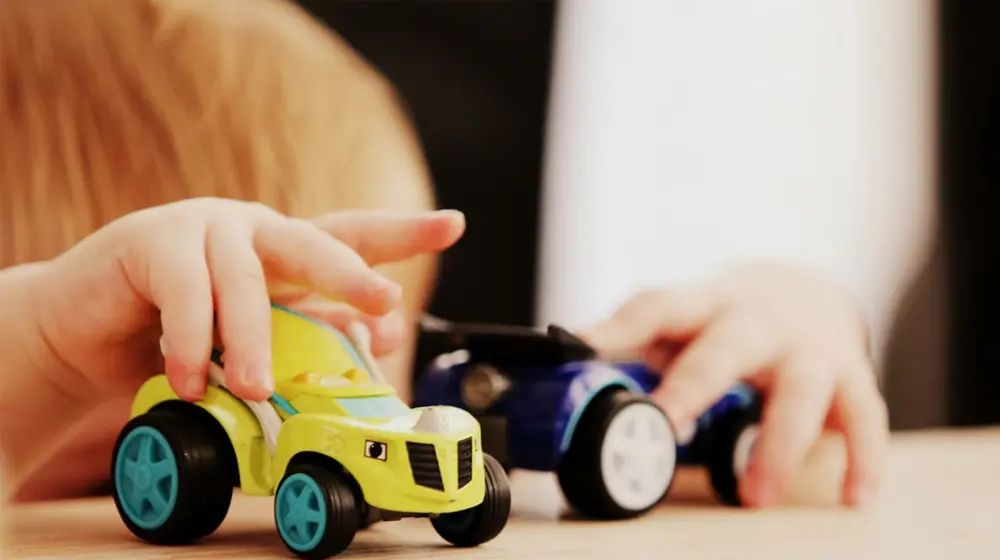
CPSC 16 CFR Federal Regulations
National mandatory regulations enacted by the U.S. Consumer Product Safety Commission (CPSC), possessing federal legal force. The CPSC has the authority to recall toys with safety defects and pursue legal liability against enterprises that cause serious safety incidents.
ASTM F963 Toy Safety Standard
Developed under the auspices of the National Bureau of Standards, U.S. Department of Commerce, it was first issued in 1976 (PS72-76) and revised multiple times through versions including ASTM F963-96a, ASTM F963-03, and ASTM F963-07. ASTM F963-11 was approved by ASTM International and, following a favorable assessment by the CPSC, became a mandatory U.S. toy standard within 180 days of the effective notice.
The standard fully covers the technical requirements of CPSC 16 CFR. Compliance with ASTM F963 generally satisfies federal mandatory requirements, but updates to CPSC regulations must still be monitored concurrently.
CPSIA
The Consumer Product Safety Improvement Act of the United States, which primarily regulates two toy chemical safety indicators: lead content and phthalates.
Core Testing Modules of ASTM F963
Standard Volume | Testing Category | Testing Requirements |
ASTM F963-1 | Physical and Mechanical Properties | Impact, drop, tension, compression, flexure, small parts, sharp edges and sharp points, cords, folding mechanisms, stability, and other tests |
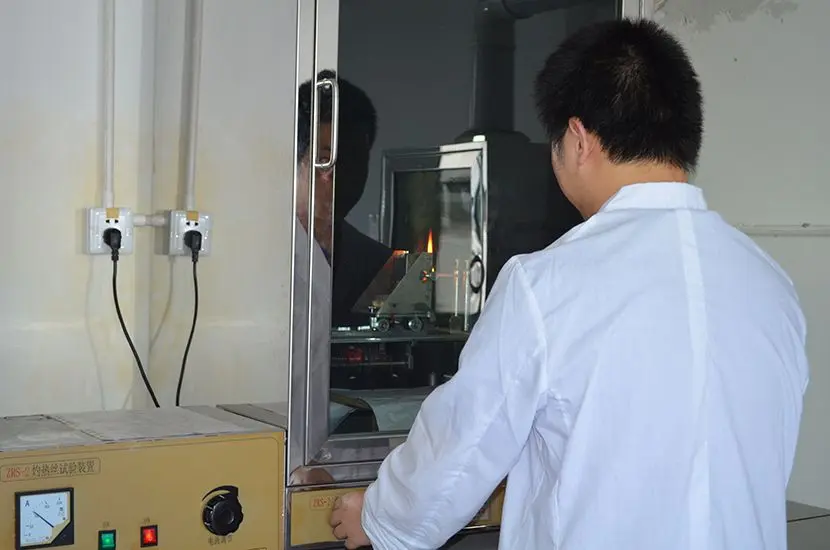
ASTM F963-2 | Flammability | Horizontal flammability testing conducted with reference to 16 CFR 1500.44; self-sustained burning rate along the toy’s principal axis < 2.5 mm/s |
ASTM F963-3 | Heavy Metal Testing | Applicable only to toy surface coatings/platings; testing for 8 soluble heavy metals + total lead. No testing required for uncoated products |
Soluble Heavy Metal Limits (Unit: ppm/mg/kg)
Element | Lead (Pb) | Arsenic (As) | Antimony (Sb) | Barium (Ba) | Cadmium (Cd) | Chromium (Cr) | Mercury (Hg) | Selenium (Se) |
Limit | 90 | 25 | 60 | 1000 | 75 | 60 | 60 | 500 |
Other Key U.S. Toy Compliance Requirements
Chemical and Material-Specific Requirements
① Plastic/Rubber Products: Phthalate testing. DEHP shall not be intentionally added to pacifiers, rattles, and teething rings; trace levels ≤ 0.3% are acceptable.
② Ceramic Products: Lead and cadmium leaching testing. Products sold in California must comply with California Proposition 65 (PROP65), including substrate lead (EPA 3052) and coating lead (16 CFR 1303).
③ Surface Coatings: Total lead content ≤ 600 ppm (mandatory requirement under 16 CFR 1303).
Electrical and Wireless Products
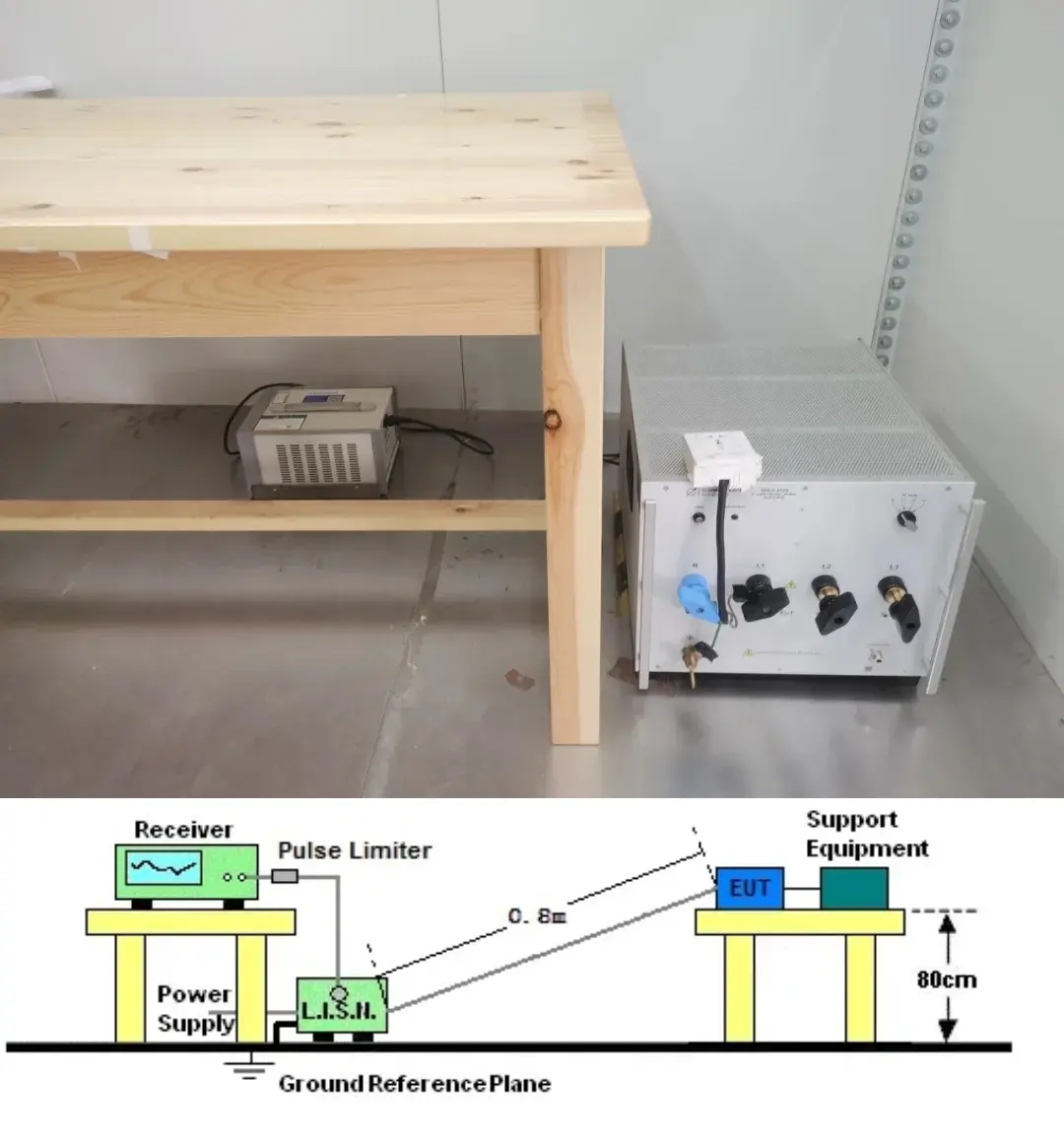
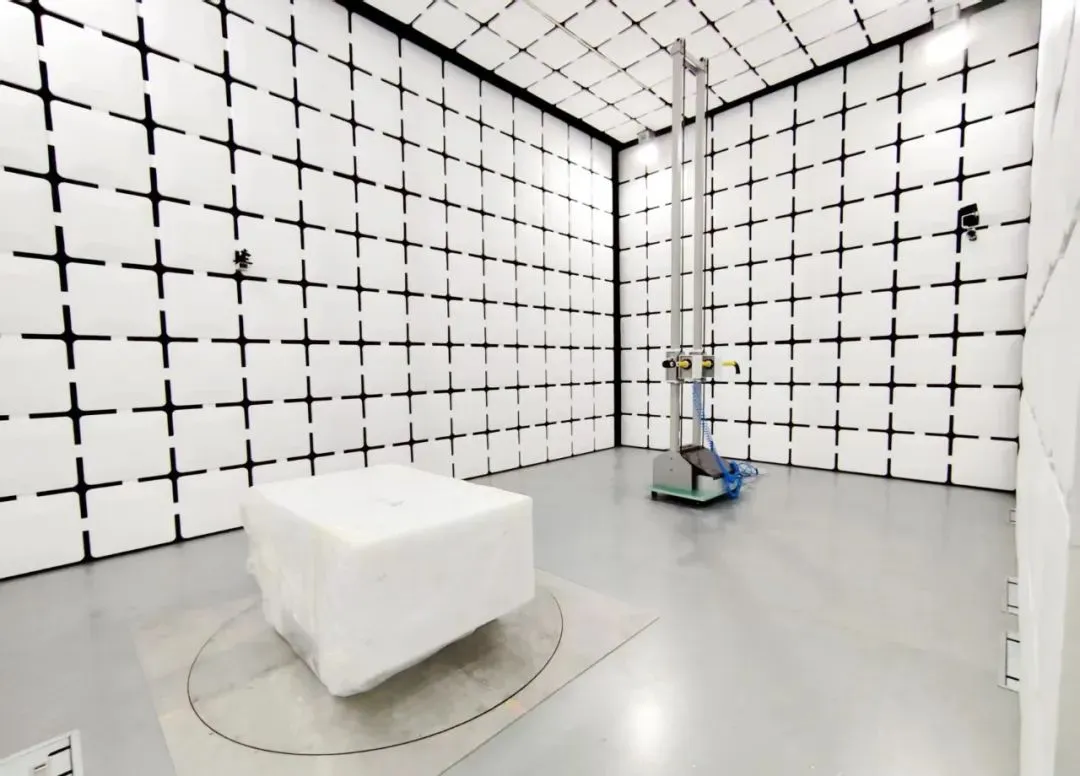
Electric toys and remote-controlled toys must comply with fcc electromagnetic interference requirements.
Art Materials
Crayons, pigments, glues, and other art materials must obtain LHAMA certification and comply with ASTM d4236. Concurrent testing for USP 61 microbial limits and USP 51 preservative efficacy is required.
Toxicity and Filling Materials
① tra certification: Toxicity Risk Assessment, covering acute/chronic toxicity risks of art materials, toys, and cosmetics.
② Filling Materials: Free from parasites and contaminants; must meet Pennsylvania’s filling material composition testing requirements.
Labeling and Warning Requirements
① Toys containing small parts intended for children aged 3–6 years must be labeled: WARNING—Choking hazard. Small parts. Not for children under 3 years.
② Toys with hazardous small parts/sharp edges prior to adult assembly must affix corresponding warning labels.
Detailed Provisions of Key ASTM F963 Clauses
1. Toxic Substances and Food Contact Requirements
Toy materials must comply with the FHSA and 16 CFR 1500.85; some state-level requirements are stricter than federal standards.
Food items sold with toys and food-contact toy components (cookware, tableware) must meet the 21 CFR 110 sanitary standards and FDCA requirements. Ceramic food-contact components must comply with FDCA Section 402(2)(C) lead and cadmium limits.
Toy cosmetics must comply with 21 CFR 700–740 (FDA), CPSIA, and ASTM F963. Process water must meet USP purified water bacterial standards to prevent microbial degradation.
2. Small Parts and Oral-Activated Toys
① Toys for children under 36 months: Strictly comply with 16 CFR 1501 small parts requirements, excluding exempt categories such as balloons, paper products, and writing materials.
② Oral-activated toys (whistles, sound devices): Internal small parts must not detach during blow/suction cycles; small parts of inflatable toys must not detach during inflation/deflation.
③ Toys with small parts for children aged 3–6 years: Affix warning labels in accordance with 16 CFR 1500.19.
3. Sharp Edges, Sharp Points and Material Controls
① Toys for children under 8 years: No accessible hazardous sharp edges/sharp points after abuse testing (definitions in 16 CFR 1500.48/49).
② Toys for children under 48 months: No functional hazardous sharp edges/sharp points. Functional sharp edges/sharp points on toys for children aged 48–96 months require warning labels.
③ Metal edges must be deburred, folded, or protected; wood surfaces must be burr-free; wire/rod ends must be passivated or capped, with no fractured tips after bending under force.
4. Plastic Film and Cord Safety
① Plastic film nominal thickness ≥ 0.03810 mm, minimum measured thickness ≥ 0.03175 mm. Small perimeter, short-length bags, and shrink films are exempt.
② Cords/elastic bands on toys for children under 18 months: Length < 12 in under 5 lb load, loop circumference < 14 in; retraction distance of self-retracting cords is restricted.
③ Long cords on pull toys for children under 36 months: No loop-forming beads/attachments. Long flight lines such as kite strings must meet insulation resistance requirements.
5. Folding, Hinge and Pinch Injury Protection
① Folding toys supporting a child’s weight: Must be equipped with safety brakes/locking devices to prevent accidental collaPSE and pinch injuries.
② Gaps in hinges and moving parts: Gaps that admit a 3/16 in round rod must also admit a 1/2 in round rod. Rigid material round holes, clockwork key gaps, and support chains must meet pinch injury prevention dimensional requirements.
③ Drive chains/belts on ride-on toys: Must be fitted with protective guards. Power-driven mechanisms must have no exposed hazardous components.
6. Stability and Anti-Suffocation Requirements
① Ride-on toys and fixed-seat toys: Must pass lateral, forward, and rear stability tests. Floor-standing toys with height > 30 in and weight > 10 lb must not tip over when tilted 10° after moving parts are extended.
② Enclosed toys (toy refrigerators, helmets): Prevent entrapment and suffocation risks to children. Imitative protective devices (helmets, goggles) must use impact-resistant materials and affix exclusive identification labels.
Email:hello@jjrlab.com
Write your message here and send it to us
 EU PPWR New Packaging Compliance
 How to Obtain an MSDS/SDS Report
 CPSIA Testing Service Consulting
 Food Contact Materials Testing Services
 California 65 Testing Service Consultation
 REACH Chemical Testing Services
 Electronic Vaporizers EU TPD / US PMTA / UK MHRA
 ISO 10993 Biocompatibility Standards
Leave us a message
24-hour online customer service at any time to respond, so that you worry!