



Canada Wireless Device IC Certification RSS-210 Testing
In Canada, all wireless devices must obtain certification from Innovation, Science and Economic Development Canada (IC) before being placed on the market. RSS-210 is one of the primary standards under ic certification for devices intended to emit radio frequency energy, and it applies to a wide range of wireless communication devices, such as Wi-Fi, Bluetooth, ZigBee devices and others.
Detailed Explanation of the RSS-210 Testing Standard
The RSS-210 standard mainly covers the following aspects:
Scope of Application
RSS-210 applies to low-power devices intended to emit radio frequency energy, including but not limited to wireless remote controls, wireless headsets, Bluetooth devices, Wi-Fi devices, ZigBee devices and others.
Spectrum Management
It stipulates the frequency bands that devices may use, as well as the specific technical requirements for each band, such as frequency range, bandwidth, transmit power and other parameters.
Transmit Power
Limits are imposed on the maximum transmit power for different frequency bands to ensure that no harmful interference is caused to other devices. For example, the maximum transmit power for devices operating in the 2.4 GHz band is generally restricted to 100 mW (20 dBm).
Out-of-Band Emissions and Harmonics
Limits on out-of-band emissions and harmonics are specified to ensure that devices do not emit excessive radio frequency energy outside their operating frequency bands, thereby avoiding interference with other devices.
Spectrum Access Technologies
Corresponding requirements and restrictions are included in the RSS-210 standard for devices utilizing frequency-hopping technology, spread-spectrum technology, or other spectrum access technologies.
Electromagnetic Compatibility (EMC)
Devices must pass electromagnetic compatibility testing to ensure that they do not generate harmful interference to other electronic equipment.
Test Items
Frequency Tolerance testing
This test verifies whether the frequency stability of the device under various operating conditions (such as supply voltage variations and temperature changes) falls within the permissible range.
Output Power Testing
The transmit power of the device is measured to ensure that it complies with the specified limit values.
Out-of-Band Emissions Testing
The emission energy of the device outside its operating frequency bands is measured to ensure compliance with the out-of-band emission limits.
Occupied Bandwidth Testing
The occupied bandwidth of the device is measured to ensure that it operates within the specified spectrum range.
Spectrum Access Technology Testing
For devices employing frequency-hopping, spread-spectrum and other similar technologies, this test verifies whether their technical parameters meet the specified requirements.
Electromagnetic Compatibility Testing
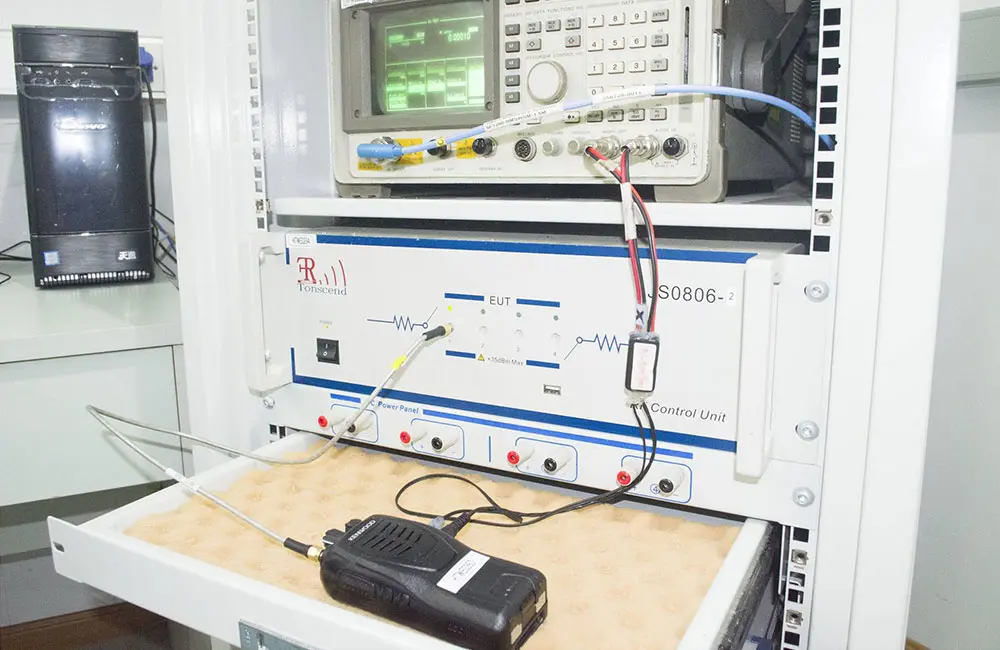
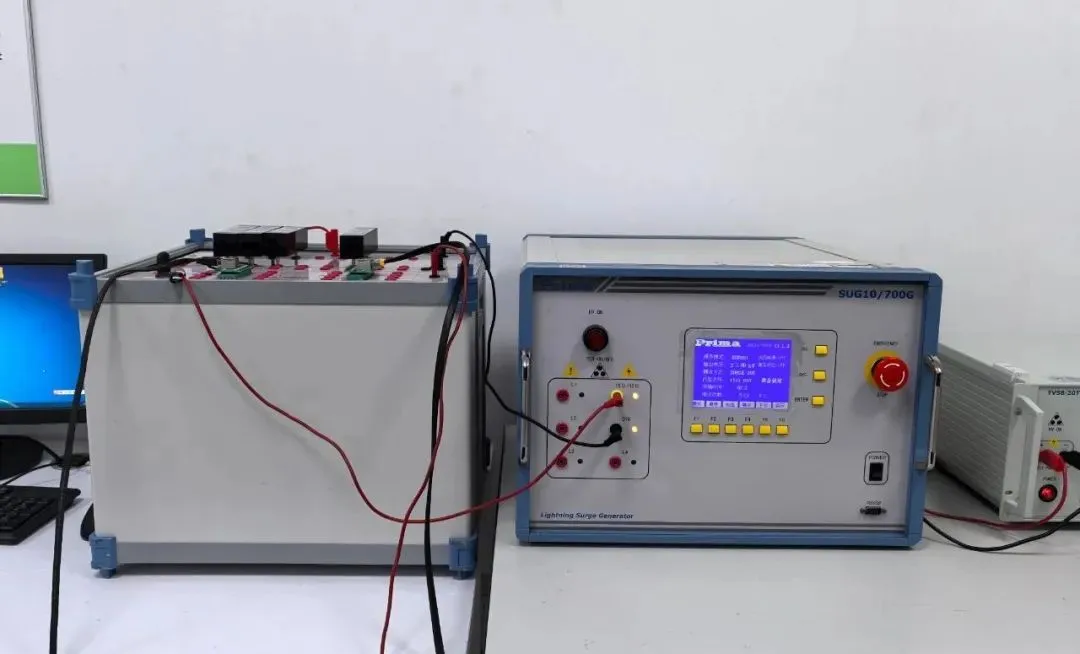
This test assesses the immunity and radiated interference of the device to ensure compliance with electromagnetic compatibility requirements.
Frequently Asked Questions
Which devices require RSS-210 certification?
All low-power wireless devices intended to emit radio frequency energy are required to obtain RSS-210 certification, including Wi-Fi devices, Bluetooth devices, wireless remote controls and others.
What is the difference between RSS-210 and fcc standards?
Although RSS-210 is similar to the U.S. fcc part 15 standard, there are subtle differences between the two in terms of frequency band usage, transmit power limits and testing methodologies. Therefore, devices that have obtained fcc certification still need to undergo RSS-210 certification to be sold in Canada.
How to apply for RSS-210 certification?
Device manufacturers are required to select JJR LAB, an IC-accredited testing laboratory, to conduct testing, and submit the test report, technical documentation and application form to IC for review.
How long does the certification process take?
The RSS-210 certification process typically takes several weeks, with the exact duration depending on the workload of the testing laboratory and the speed of IC review.
What are the certification costs?
The costs vary depending on the device type, test items and the testing laboratory, generally ranging from several thousand to tens of thousands of US dollars.
What should be noted after obtaining RSS-210 certification?
After certification, the device must be marked with the ic certification logo, accompanied by necessary user instructions and warning information. In addition, manufacturers are required to conduct regular product audits to ensure ongoing compliance with the RSS-210 standard.
Conclusion
The RSS-210 standard is a critical standard for the certification of wireless devices in Canada. Through rigorous testing and compliance reviews, it ensures the safety and performance of wireless devices in the Canadian market. Manufacturers need to fully understand and comply with the requirements of RSS-210 to successfully obtain IC certification and legally market their wireless devices in Canada.
Email:hello@jjrlab.com
Write your message here and send it to us
 What is the ASTM F2264 Certification Test?
 What is ASTM F2194 Certification Testing?
 What is the ASTM F2167 Certification Test?
 What is the ASTM F2050 Certification Test?
 What is ASTM F1967 Certification Testing? How to g
 What is the ASTM F1917 Certification Test?
 How to get ASTM F1821 Certification
 What is the ASTM F1821 Testing Standard?
Leave us a message
24-hour online customer service at any time to respond, so that you worry!