



Electric Toy EN 62115 & EN 71 Testing
Recently, Amazon announced the launch of a new compliance review mechanism for toy categories on its European marketplace. All toy products must meet the European toy safety standard EN 71 and the battery standard EN 62115, with sellers required to submit test reports verifying compliance before listing. Coming just ahead of the Christmas peak season, this new policy has placed some sellers under dual pressure of additional testing costs and listing delays.
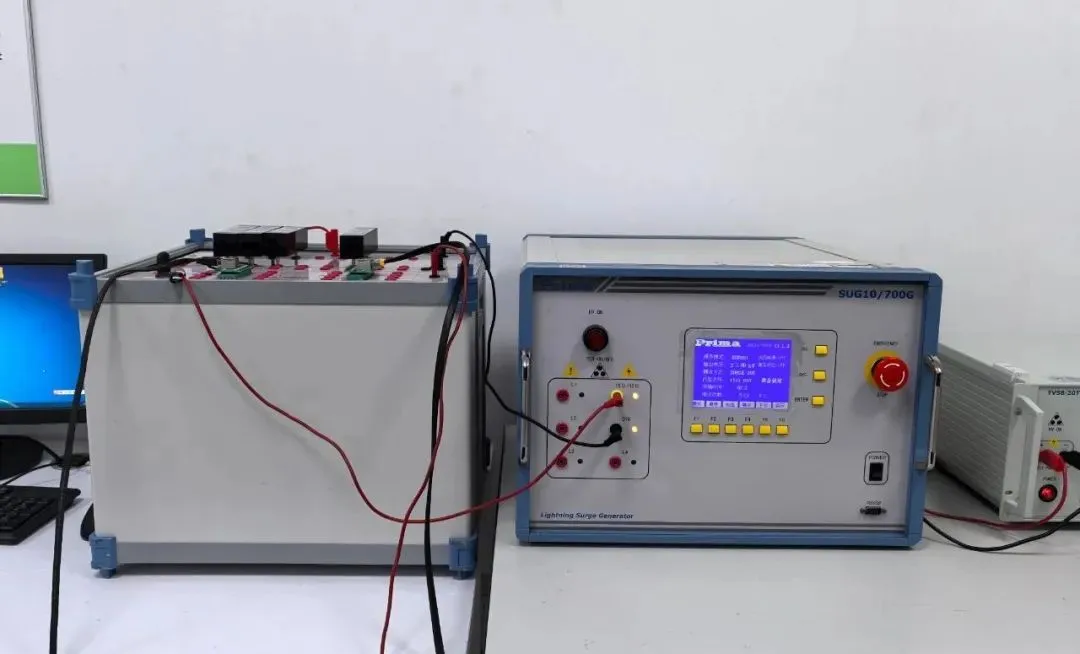
Amazon Strengthens Toy Compliance Reviews
(1) Mandatory Testing Standards
Toys sold on Amazon Europe must fully comply with the EN 71 series (European Toy Safety Standards) and EN 62115 (Electrical Toy Safety Standard).
(2) Direct Report Submission by Third-Party Institutions
Test reports must be directly submitted to Amazon through official channels by qualified third-party testing laboratories. Sellers are prohibited from uploading reports themselves, effectively preventing forgery or tampering. (Note: JJR LAB is authorized to issue such qualified reports.)
(3) Platform Verification Basis
Amazon will verify product listings and displays based on these test reports. Products failing to submit qualified reports as required will be banned from sale.
What are EN 71 and EN 62115 Tests?
EN 71 Test
EN 71 is a regulatory standard for toy products in the EU market. Its purpose is to technically regulate toy products entering the European market to reduce or eliminate potential hazards to children. The EN 71 test covers multiple parts, with key components including:
① EN 71-1: Physical and Mechanical Tests
② EN 71-2: Flammability Tests
③ en 71-3: Migration of Certain Elements (Toxic Metals Leaching Test)
EN 62115 Test
EN 62115 is a mandatory EU standard for the safety of electric toys. It addresses risk areas such as electrical safety, mechanical/physical hazards, and chemical risks associated with electric toys.
The standard applies to all electric toys designed for children under 14 years old with a rated voltage ≤ 24V, including remote-controlled cars, sound and light toys, and experiment kits. Core test requirements under EN 62115 include:
① Electrical Safety Tests: Insulation and voltage withstand, battery safety, abnormal condition simulation
② Mechanical and Physical Safety: Structural strength, small parts protection
③ Chemical and Environmental Safety: Restriction of hazardous substances, environmental adaptability
What is the Relationship Between EU EN 71/EN 62115 Certifications and CE certification?
CE Certification is the "passport" for entering the EU market—a safety certification mark recognized by the EU that allows products to be sold within the EU. Without CE Certification, products will face difficulties entering the EU market or risk being removed from shelves.
CE Certification serves as an overarching framework covering numerous product categories and safety requirements. Among these, EN 71 is the specific standard for toy products, while EN 62115 is dedicated to electric toys. Electric toys must comply with both standards to obtain CE Certification and successfully enter the EU market.
How to Pass Tests and Sell Compliantly?
Choose a Professional Laboratory
Select a qualified and reputable laboratory for testing. For example:
① Toys exported to the US: Choose a CPSC-accredited institution
② Toys exported to the EU: Choose an ISO 17025-accredited laboratory recognized by the EU
Product Labeling
a. Warning labels
b. Manufacturer information (address, importer details)
c. Tracking Label (traceability label)
Qualification Documents
a. Required documents: CE/CPC Certifications, test reports (Chinese and English versions), Product Compliance Declaration
b. Product list: Clearly state materials, usage, and age range
c. Images and descriptions: Truthfully display warning labels and certification marks
Conclusion
In fact, the EU has long had toy safety regulations (e.g., General Product Safety Directive - GPSD). Theoretically, sellers can achieve compliance through internal testing and self-declaration without mandatory third-party testing. However, Amazon’s "one-size-fits-all" requirement for direct submission by third parties has transformed "routine compliance obligations" into "additional platform requirements." For sellers, this not only poses potential challenges such as increased costs, reduced profits, and operational complexity but may also cause listing delays, resulting in missed sales opportunities during the Christmas peak season.
Recommended Seller Strategies
① Confirm whether the product falls under the "toy" category and complies with both EN 71 and EN 62115 standards.
② Select a compliant testing institution to ensure test reports are valid and formatted correctly, avoiding rejection due to report issues.
③ Use the ce mark in accordance with regulations, and promptly upload relevant compliance documents to Amazon to cooperate with platform reviews.
④ Reasonably estimate testing and platform review timelines, allowing buffer time for the Christmas peak season to reduce the risk of stockouts or delays.
Email:hello@jjrlab.com
Write your message here and send it to us
 How to get an EN 301 893 test report?
 What is EN 301 893 Certification Compliance
 What is the CSA 62368-1 Standard?
 Canadian Pacifier Compliance SOR/2016-184
 US Agent for FCC & EC REP for CE: Compliance R
 What is Recycling of WEEE
 What is PPWR Packaging Compliance
What is Extended Producer Responsibility
What is PPWR Packaging Compliance
What is Extended Producer Responsibility
Leave us a message
24-hour online customer service at any time to respond, so that you worry!