



How Long Does It Take to Get FCC Certification?
Introduction to fcc Certification
The Federal Communications Commission (FCC) regulates the use of the wireless spectrum in the United States. Before being activated on cellular networks, all devices must obtain fcc approval. Cellular devices need to meet specific FCC requirements, including:
- Part 15 (Unintentional Radiator Emission Testing)
- Part 22 (Intentional Radiator Emission Testing at 850 MHz)
- Part 24 (Intentional Radiator Emission Testing at 1900 MHz)
For M2M devices, even if the modules used have an fcc id, the device itself may still require its own fcc certification. However, if the device complies with the module’s FCC grant conditions, it can use the module’s FCC ID.
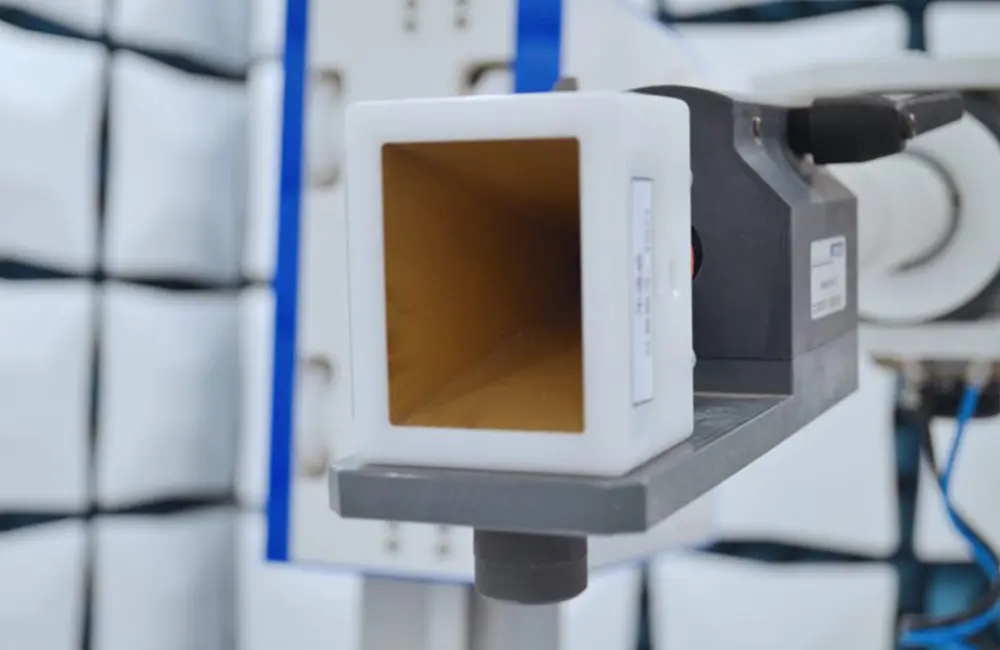
FCC Certification Costs
FCC certification involves two different modes depending on the product:
- FCC-sdoc (Supplier's Declaration of Conformity): For general products
- FCC-ID: For wireless products
Each mode requires testing in an FCC-accredited laboratory, with different application, testing, and declaration requirements. Costs and timeframes vary by product type:
- FCC-SDoC for general products: Approximately $550
- FCC-ID for general wireless products (e.g., wireless remotes, Bluetooth speakers, tablets): Over $1500
- Combined FCC-SDoC and FCC-ID for other wireless products: Around $2300
FCC Certification Duration
The fcc certification process for connected devices typically takes 3-5 weeks. To expedite this process, the FCC authorizes several private organizations to issue certifications. Working with a TCB (Telecommunication Certification Body) can result in receiving FCC certification within 1-2 weeks.
FCC Certification Process
1. The device manufacturer authorizes a testing laboratory to apply for an FCC grantee code.
2. The FCC issues the grantee code to the device manufacturer.
3. The manufacturer submits their device to an accredited testing laboratory for evaluation.
4. The laboratory tests the device according to the appropriate standards.
5. Upon successful testing, the laboratory creates a detailed test report and submits it to the FCC.
6. The FCC responds to the certification request within 8-12 weeks.
Required Documentation for FCC Submission
1. Application form
2. FCC Form 731
3. Test setup photos
4. Test report
5. External and internal photos
6. fcc id label
7. Description of device operation
8. User manual
9. Block diagram
10. Schematic diagram
11. Parts list
12. Reuse of FCC ID in host devices
Depending on the type of host device, a module's FCC ID can be used for the host device. Module suppliers can provide guidance on when the module's FCC ID can be reused, which may include:
1. Whether the host device is for fixed or mobile applications, or both.
2. If the host device can be used as a portable device.
3. If the module is integrated into the host device as recommended by the module manufacturer.
4. Antenna gain recommended by the module manufacturer.
5. Even when reusing the module manufacturer’s FCC ID, Part 15 testing may still be required.
Email:hello@jjrlab.com
Write your message here and send it to us
 What is the ASTM F2167 Certification Test?
 What is the ASTM F2050 Certification Test?
 What is ASTM F1967 Certification Testing? How to g
 What is the ASTM F1917 Certification Test?
 How to get ASTM F1821 Certification
 What is the ASTM F1821 Testing Standard?
 Electronic Products Safety Testing Laboratory
 HAC Hearing Aid Compatibility Testing
Leave us a message
24-hour online customer service at any time to respond, so that you worry!