



How Much Does an FCC Certification Cost?
The cost of FCC certification varies depending on the product type, certification model (such as FCC SDoC or FCC ID), the complexity of the testing items, and the pricing strategy of the chosen laboratory. Here is an approximate cost range for reference:
1. For ordinary products without wireless functions, conducting fcc sdoc certification costs around $500 to $900, with the certification process typically taking about 3 to 5 working days.
2. For products with wireless functions, such as Bluetooth headsets, wireless routers, smartwatches, etc., fcc id certification is required. The cost generally ranges from $1100 to sometimes as high as $2200 to $4000, with the certification process usually taking 2 to 4 weeks.
Please note that these costs are only rough estimates, and the actual costs may vary depending on specific circumstances. To obtain the most accurate quote, it is recommended to directly contact an fcc-recognized testing laboratory or certification body, provide detailed information about your product and certification requirements, and get a customized quotation.
What is fcc certification?
FCC certification is a mandatory certification system implemented by the Federal Communications Commission of the United States, aimed at ensuring that radio frequency devices operating within and outside the U.S. do not cause harmful interference to authorized radio communication services and safeguard public health and safety. Below are more details about FCC certification:
1. Types of Certification:
1. FCC sdoc (Supplier's Declaration of Conformity): Applicable to most digital devices and unintentional radiators. The manufacturer or supplier self-declares that their product meets FCC technical requirements and retains testing records and documents. There is no need to submit the test report to the FCC, but the product must bear the FCC mark.
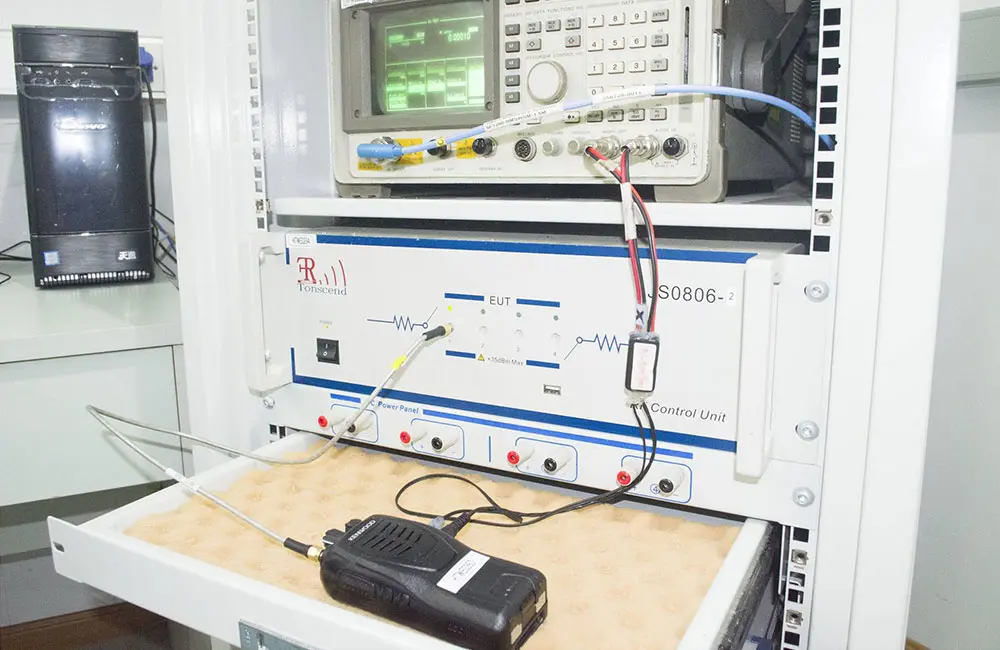
2. FCC ID (FCC Certification): For intentional radiators such as wireless communication products (Bluetooth, Wi-Fi devices, mobile phones, walkie-talkies, etc.). This process requires certification testing by an FCC-authorized testing laboratory. The manufacturer must submit the test report to the FCC for review, and upon approval, receive a unique fcc id number, which must be displayed on the product and packaging.
2. Certification Process:
1. Product Evaluation: Determine the product category and applicable FCC rule parts.
2. Testing: Conduct necessary electromagnetic compatibility (EMC) and radio frequency spectrum testing in an FCC-recognized laboratory.
3. Document Preparation: Prepare the certification application and necessary technical documents based on the test results.
4. Submission for Certification: For fcc id certification, submit the test report and other necessary documents to the FCC; for SDoC, maintain internal records.
5. Certification Review: The FCC or TCB (Telecommunication Certification Body) reviews the test report.
6. Certification Marking: Upon certification, the product must bear the appropriate FCC mark.
3. Important Standards:
1. FCC Part 15: Covers electromagnetic compatibility requirements for unintentional radiators (e.g., computers, TVs, microwave ovens, etc.).
2. FCC Part 18: Addresses radiation requirements for industrial, scientific, and medical (ISM) equipment.
3. fcc part 90: Provides regulations for land mobile communications and private radio stations.
4. Costs and Timeframe:
1. Costs: Vary based on product type, testing complexity, and certification body, generally ranging from a few hundred to several thousand dollars.
2. Timeframe: Ranges from a few weeks to several months, depending on product complexity, testing preparation, and certification body's efficiency.
5. Compliance mark:
Certified products must display the FCC mark in a prominent position or in the user manual. For FCC ID certified products, a unique identification code must also be marked.
6. Updates and Compliance:
1. Re-Certification: Certification is not one-time; changes in product design or manufacturing may require re-certification.
2. Compliance Maintenance: Manufacturers must ensure their products comply with current FCC rules, as the FCC regularly updates its requirements.
FCC certification is a crucial threshold for entering the U.S. market, ensuring product compliance and fair market competition. For manufacturers, understanding and adhering to FCC regulations is vital.
Email:hello@jjrlab.com
Write your message here and send it to us
 What is the ASTM F2264 Certification Test?
 What is ASTM F2194 Certification Testing?
 What is the ASTM F2167 Certification Test?
 What is the ASTM F2050 Certification Test?
 What is ASTM F1967 Certification Testing? How to g
 What is the ASTM F1917 Certification Test?
 How to get ASTM F1821 Certification
 What is the ASTM F1821 Testing Standard?
Leave us a message
24-hour online customer service at any time to respond, so that you worry!