



How to get the CE-RED Certification Directive?
Amazon has strict requirements for the CE-RED certification of electronic products. Products involving wireless communication must obtain this certification to enter the EU market. The scope of certification includes remote control products, radio equipment, mobile phones, Bluetooth products, etc., all of which must comply with EU requirements for safety, health, environmental protection and consumer protection.
What is CE-RED Certification?
RED (Radio Equipment Directive) certification is one type of certification for wireless products under the EU mandatory CE certification framework. All products with wireless transmission frequencies are required to apply for RED certification, including tablet computers, wireless doorbells, Bluetooth devices, WiFi equipment, wireless alarm devices, radio receiving and transmitting equipment, telephones, computers and so on.
The full name of the RED Directive is the Radio Equipment and Telecommunications Terminal Equipment Directive, which applies to wireless products and communication products. Wireless remote control products and communication products exported to the EU must comply with this directive.
EN 300328 is a radio frequency testing standard under the eu red directive, applicable to baseband transmission systems operating at 24GHz and data transmission equipment (such as Bluetooth, WiFi, ZIGBEE products, etc.). EN 300328 specifies product requirements to ensure that radio equipment does not cause interference with each other or to human health, and sets more explicit performance requirements for the wireless receiving part to improve the utilization rate of wireless spectrum. Such equipment exported to the EU must meet this standard.
Directive Overview
① Issuance Date: The CE-RED Certification Directive was officially issued on November 13, 2014.
② Replaced Directive: It replaced the previous R&TTE Directive (Radio and Telecommunications Terminal Equipment Directive) on June 13, 2016.
③ Scope of Application: The CE-RED Certification Directive applies to all radio equipment sold or put into use in the EU market, including wireless communication equipment, WLAN equipment, Bluetooth devices, radio frequency remote control equipment, etc. The main product categories are as follows:
a. Short-Range Device (SRD) Wireless Remote Control Products
① Remote control toy cars: Various toy cars using wireless remote control technology.
② Remote control alarm systems: Wireless alarm devices for homes or commercial premises.
③ Remote control doorbells: Doorbell systems transmitting signals via wireless means.
④ Remote control switches: Switch devices for remotely controlling lights, electrical appliances, etc.
⑤ Wireless mice and keyboards: Wireless computer peripherals such as mice and keyboards.
b. Private Mobile Radio (PMR) Professional Wireless Remote Control Products
① Professional walkie-talkies: Professional wireless devices for communication, command and other scenarios.
② Wireless microphones: Various wireless microphones for speeches, performances and other occasions.
c. Cordless Phones and Related Equipment
① Cordless phones: Including CTO, CT1, CT1+ and other types of cordless phones.
② ISDN (digital telephone products): Digital telephone equipment using ISDN technology.
③ DECT (Enhanced Digital Cordless Telecommunications): Cordless phone systems with higher performance and functions.
④ Mobile phone GSM and CDMA testing equipment: Testing devices related to mobile phones and their supporting technologies.
d. Bluetooth Products
① Bluetooth headsets: Headset devices for wireless audio transmission.
② Other Bluetooth devices: Such as Bluetooth speakers, Bluetooth watches, Bluetooth bracelets, etc.
e. Other Wireless Equipment
① Tablet computers: Tablet computers with wireless connection functions.
② WiFi equipment: Including wireless routers, portable WiFi devices, etc.
③ Wireless alarm devices: Such as smoke alarms, intrusion alarms, etc.
④ Radio receiving and transmitting equipment: Such as radio transceivers, antennas, etc.
⑤ Smart devices: Such as smart light bulbs, smart door locks, smart cameras, smart sockets, smart thermostats, robot vacuum cleaners, etc., which usually have wireless connection functions.
Core Objectives
① Interoperability: Ensure the interoperability of radio equipment within the EU.
② Spectrum Safety: Safeguard the safe use of radio spectrum among devices.
③ Health and Environmental Protection: Protect human health and environmental safety.
Basic Requirements
① Electromagnetic Compatibility: Radio equipment must meet electromagnetic compatibility requirements to prevent interference with other devices.
② Spectrum Efficiency: Ensure the effective use of radio spectrum.
③ Health and Safety: Protect users from potential health risks caused by radio equipment.
RED Test Items
1. Electromagnetic Compatibility Test (EMC Test);
2. low voltage directive (LVD) Safety Test (In the new directive, this test is also required for RF products powered by batteries);
3. Radio communication equipment test in accordance with European ETSI standards (RF Test);
4. Notification of EU permitted spectrum information;
5. CTR (TBR) Test;
6. Electrical Safety and Health Protection Test (SAR Evaluation).
Certification Standards
1. Products operating at 25MHz-1000MHz (including 27MHz, 433MHz, 868MHz)
① RF Test: EN 300440
② EMC Test: EN 301 489-7
③ Safety Test: en 60950-1 (LVD Safety Test)
④ Harm Assessment: EN 50371
2. Products operating at 1000MHz-40GHz (including specific frequency bands such as 2.4GHz)
① RF Test: EN 300440
② EMC Test: EN 301 489-7
③ Safety Test: EN 60950-1 (LVD Safety Test)
④ Harm Assessment: EN 50371
3. GSM band products (such as mobile phones, GPS, terminals)
① RF Test: EN 301 511
② EMC Test: EN 301 489-7
③ sar test: EN 50360: 2001, EN 62209-1:2006
④ Safety Test: EN 60950-1 (LVD Safety Test)
4. ISM band products (such as routers, Bluetooth headsets, Bluetooth speakers, etc.)
① RF Test: EN 300328
② EMC Test: EN 301 489-17
③ Safety Test: EN 60950-1 (LVD Safety Test)
④ Harm Assessment: en 62311
5. Other specific types of products
(1) Walkie-talkies
▪ EMC Test: EN 301 489
▪ RF Test: EN 300296 (civil walkie-talkies), EN 300086 (professional walkie-talkies)
▪ Safety Test: en 60065
▪ SAR Test: EN 50360/EN 50361
(2) Wireless microphones
▪ RF Test: EN 300 422-1/-2
▪ EMC Test: EN 301 489-1/-9
▪ Safety Test: EN 60950-1
▪ Harm Assessment: EN 50371
(3) WCDMA 3G products (such as mobile phones, 3G routers)
▪ RF Test: EN 301 908-1, EN 301 908-2
▪ EMC Test: EN 301 489-24
▪ SAR Test: EN 50360, 50361: 2001
▪ Safety Test: EN 60950-1: 2006
6. General and Special Requirements
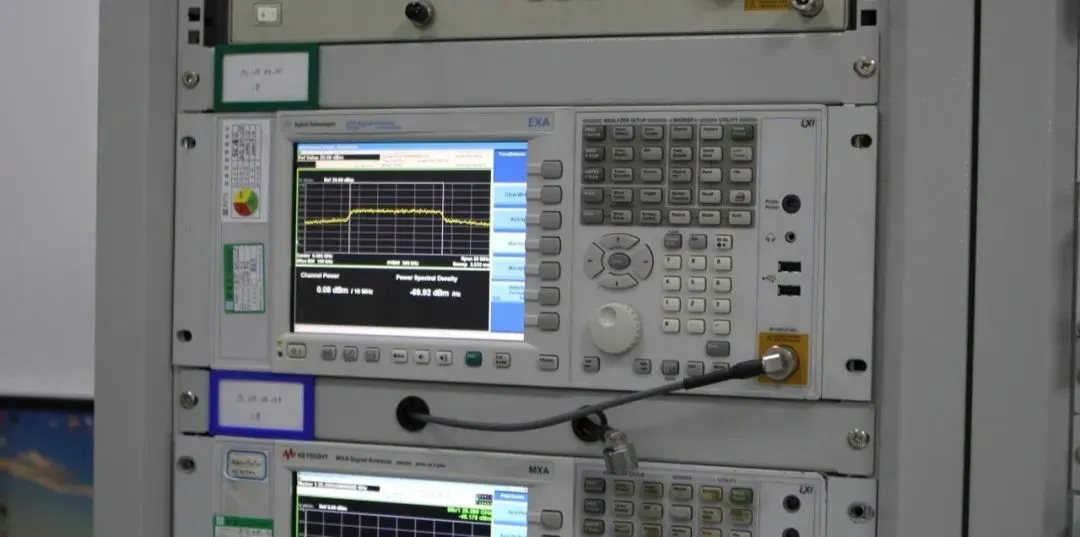
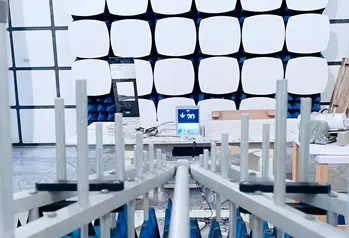
① Electromagnetic Compatibility (EMC) Test: Relating to the electromagnetic compatibility of wireless products, ensuring that devices operate normally in the electromagnetic environment and do not cause interference to other devices. Specific standards include the ETSI EN 301489 series.
② Low Voltage Directive (LVD)/Safety Test: Ensuring the electrical safety of products and preventing harm to users during normal use.
③ Radio Communication Equipment (RF) Test: Conducted in accordance with European ETSI standards to ensure that radio equipment operates normally within the specified spectrum and frequency bands and complies with relevant standards.
④ SAR Evaluation: For devices with wireless communication functions, evaluating their impact on human health, especially radiation levels.
Documents Required for CE-RED Certification of Wireless Products
1. User manual; Circuit schematic diagram
2. Block diagram (also known as module function diagram)
3. PCB layout; PCB component placement diagram
4. Operational description (explanation of the block diagram); Bill of Materials (BOM LIST)
5. Product label; Antenna specifications (or antenna gain chart); Charger LVD test report
6. Frequency-fixed software (also known as frequency-fixed program, which enables the transmitting module to continuously transmit at a specific frequency point; mandatory for Bluetooth and WiFi products).
Certification Process
1. Determine Product Scope: First, confirm whether the radio equipment falls within the scope of application of the CE-RED Certification Directive.
2. Prepare Technical Documentation: Manufacturers need to prepare relevant technical documents, including product specifications, design documents, test reports, etc., to prove that the product complies with the requirements of the CE-RED Certification Directive.
3. Conduct Testing and Evaluation: In accordance with the requirements of the CE-RED Certification Directive, manufacturers must submit products to accredited laboratories for testing and evaluation to ensure compliance with relevant safety, health and environmental protection requirements.
4. Formulate a Declaration of Conformity: Manufacturers need to compile a Declaration of Conformity that meets the requirements of the CE-RED Certification Directive, stating that the product complies with relevant EU regulations and standards.
5. Affix the CE Mark: After completing the above steps and confirming that the product meets the requirements of the CE-RED Certification Directive, manufacturers may affix the CE mark on the product, indicating compliance with relevant EU regulations and standards.
Significance and Impact
① Market Access: Obtaining CE-RED certification is a prerequisite for radio equipment to enter the EU market.
② Consumer Rights Protection: The implementation of the CE-RED Certification Directive helps protect consumers' rights and safety and prevent non-conforming products from entering the market.
③ Trade Promotion: The CE-RED Certification Directive promotes the trade of radio equipment in the EU internal market and reduces market barriers.
In summary, the CE-RED Certification Directive is an important regulatory directive formulated by the EU for radio equipment, aiming to ensure the interoperability, safe spectrum use, and protection of humans and the environment of radio equipment in the EU market. Through a strict certification process, the CE-RED Certification Directive provides the necessary guarantee for radio equipment to enter the EU market.
Email:hello@jjrlab.com
Write your message here and send it to us
 What is EN 61000 Certification Compliance?
 How to get an EN 61000 Test Report?
 What is the Amazon EN 55035 Standard?
 What is EN 55035 Certification Compliance?
 How to get the EN 55035 Test Report?
 What is the Amazon EN 301 489 Standard?
 How to get an EN 301 489 Test Report?
 What is EN 301 489 Compliance Certification?
Leave us a message
24-hour online customer service at any time to respond, so that you worry!