


CE Certification for Electrical Equipment Exported to the EU
Scope of Application for CE certification of Electrical Equipment
The EU has a clear definition of the scope of application for CE certification of electrical equipment, which mainly covers "equipment with electrical functions intended to be placed on the EU market", including but not limited to:
① Household electrical appliances: Refrigerators, washing machines, air conditioners, rice cookers, electric fans, lighting fixtures, etc.
② Industrial electrical equipment: Motors, arc welders, frequency converters, control cabinets, sensors, solenoid valves, etc.
③ Electronic devices: Power adapters, power banks, printers, monitors, audio equipment, etc.
④ Medical electrical equipment: Electrocardiographs, ultrasonic diagnostic instruments, medical monitors, etc. (Need to comply with MDR additionally).
Important Note: Not all electrical-related products require the ce mark. For example, household plugs and sockets are not within the scope of ce marking application. EU member states still implement separate certification controls (e.g., Germany VDE, UK BS, etc.). Enterprises must avoid the compliance risks caused by misusing the CE mark.
Required Documents and Certification Process
1. Clarify Requirements and Prepare Basic Documents
Clarify the directives applicable to the product (e.g., LVD + EMC) and corresponding standards.
Required documents: Product technical parameters, design drawings, production process descriptions.
2. Entrust Testing and Obtain Test Reports
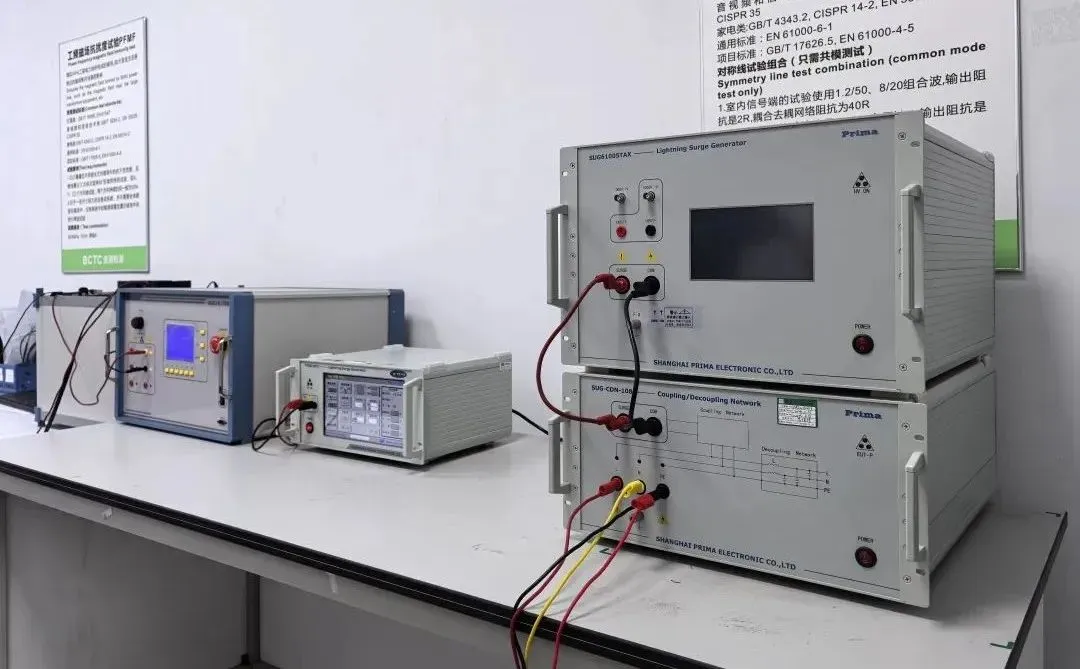
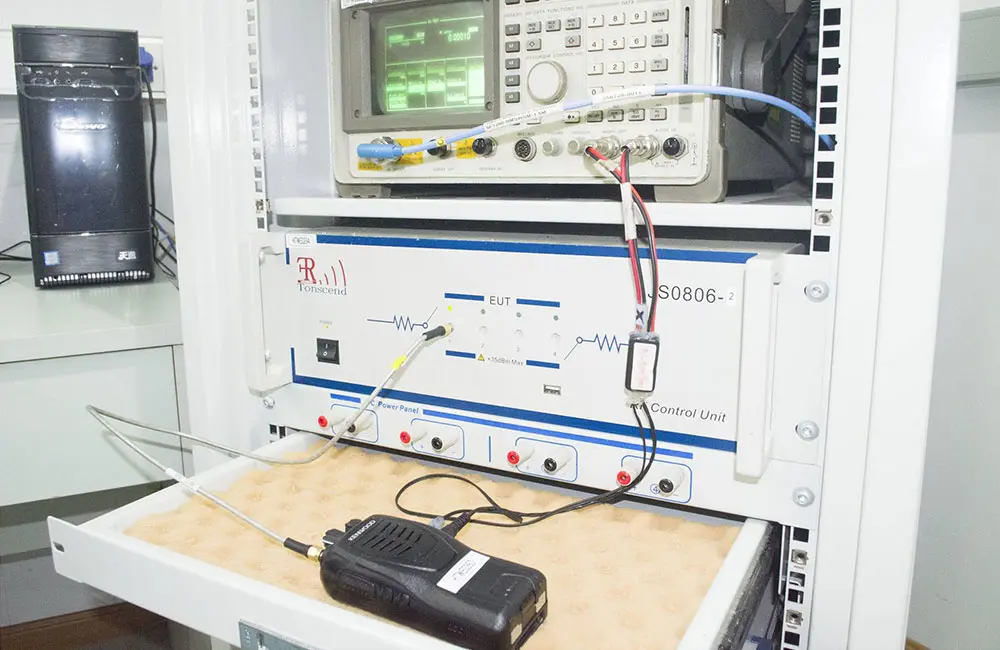
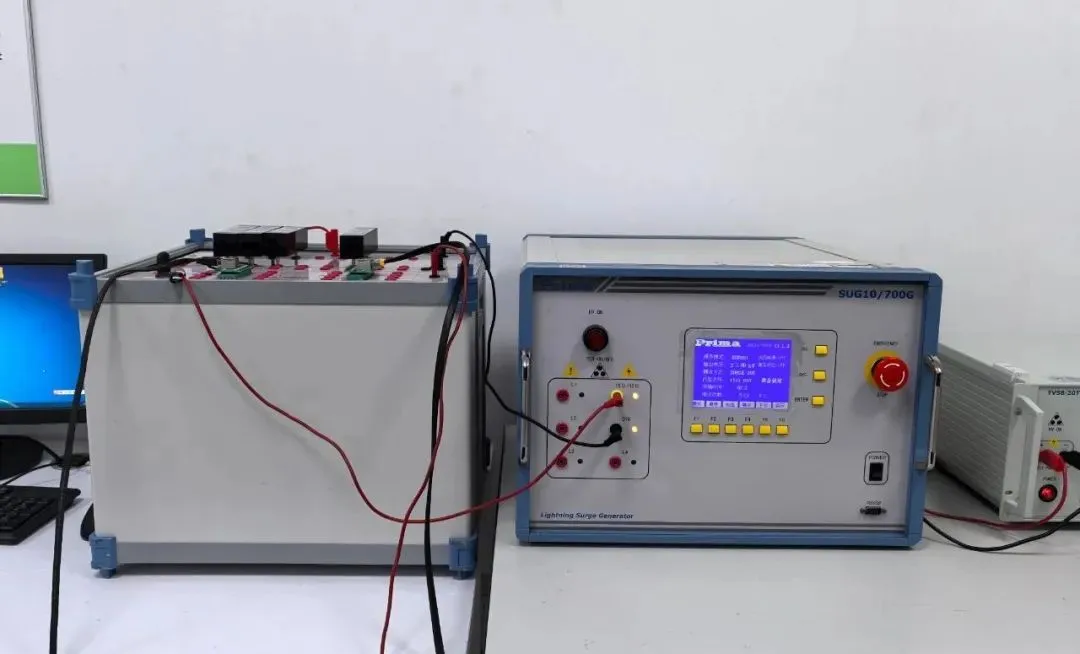
Entrust a compliant laboratory to complete full-item testing (e.g., LVD insulation/temperature rise testing, EMC emission/susceptibility testing).
Required documents: Test samples, basic technical data.
Output: Official test reports.
3. Compile Technical Documentation to Ensure Traceability
Required documents/Output: Product instruction manuals, component lists, test reports, risk assessment reports, Declaration of Conformity (DoC).
4. Conformity Assessment and Complete Declaration/Certificate Acquisition
① Low-risk products: Manufacturers sign the DoC to complete the self-declaration.
② High-risk products: Entrust a notified body for review, and sign the DoC after obtaining the certification certificate.
Required documents: Full set of technical documentation, test reports.
5. Affix CE Mark and Launch Legally
Required documents: Certification-related supporting documents.
Operation: Affix a clear and permanent CE mark on the product/package, and mark the manufacturer/EU representative information and model number. The product can be launched on the EU market after completion.
Email:hello@jjrlab.com
Write your message here and send it to us
 What is the ASTM F2167 Certification Test?
 What is the ASTM F2050 Certification Test?
 What is ASTM F1967 Certification Testing? How to g
 What is the ASTM F1917 Certification Test?
 How to get ASTM F1821 Certification
 What is the ASTM F1821 Testing Standard?
 Electronic Products Safety Testing Laboratory
 HAC Hearing Aid Compatibility Testing
Leave us a message
24-hour online customer service at any time to respond, so that you worry!