



Interpretation of IEC/EN/AS 62477-1:2022 Standard
Background and Significance
With the rapid development of new energy technologies, the safety of power electronic devices such as energy storage systems, photovoltaic inverters, and charging piles has become a core concern of the industry. Released by the International Electrotechnical Commission (IEC) in 2022, the IEC/EN 62477-1:2022 Standard serves as a general safety standard for power electronic converter systems and equipment. It not only updates technical specifications but also becomes a new cornerstone for product compliance on a global scale.
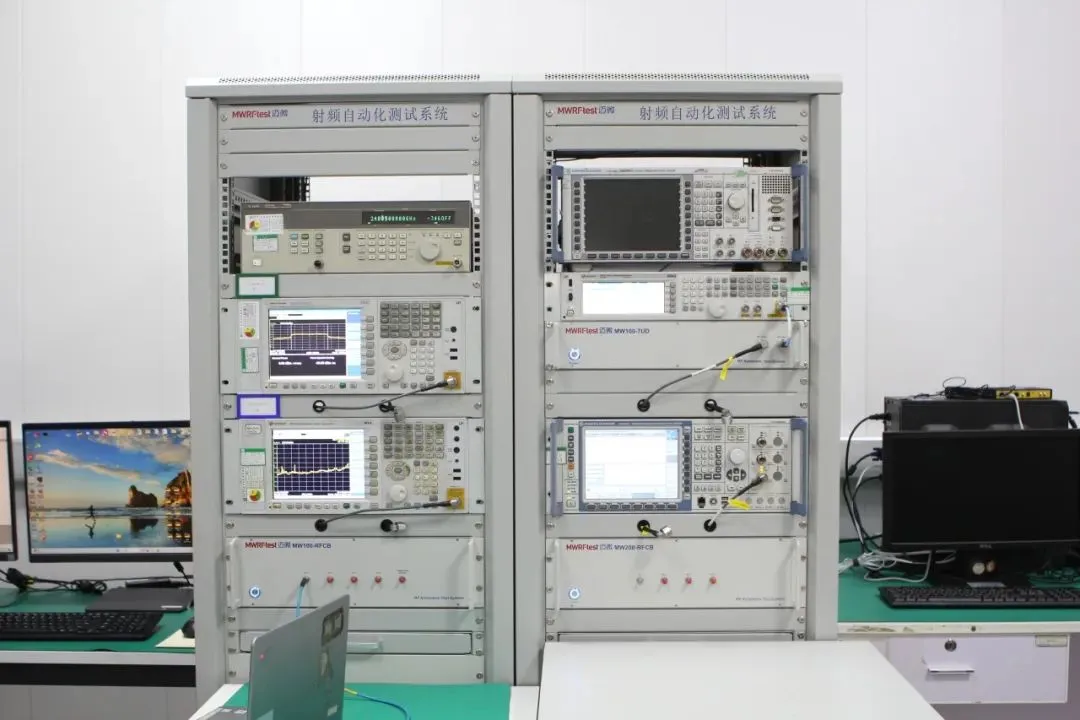
IEC/EN 62477-1:2022 is specifically applicable to Power Electronic Converter Systems (PECS) and their components, covering equipment with a rated voltage not exceeding 1000V AC or 1500V DC, including:
① New energy sector: Conversion systems for renewable energy sources such as solar energy, wind energy, and tidal energy
② Typical products: Adjustable-speed power drive systems (PDS), uninterruptible power supplies (UPS), bidirectional power converters, energy storage systems, and charging piles
③ Newly added scope: PECS intentionally transmitting or receiving radio waves (e.g., communication power supply equipment) and bidirectional transducers
The standard aims to reduce risks such as electric shock, fire, mechanical injury, and overheating through a unified safety framework, covering the entire life cycle of design, installation, operation, and maintenance.
In accordance with regulatory requirements, the European Union has also issued the equivalent updated standard EN iec 62477-1:2023, which supersedes the previous versions:
① EN 62477-1:2012
② EN 62477-1:2012/A11:2014
③ EN 62477-1:2012/A1:2017
④ EN 62477-1:2012/A12:2021
The updated standard restructures numerous chapters, integrates the latest measurement methods from other documents, coordinates with product standards of other categories to revise measurement conditions for various devices, adjusts the scope of product application, and updates multiple technical requirements for testing.
Scope of Application
Scope of the Previous Version
Power Electronic Converter Systems (PECS), any specified accessories, and their components used for electronic power conversion and electronic power switching, including means for control, protection, monitoring, and measurement. It applies to equipment primarily intended for power conversion with a rated system voltage not exceeding 1000V AC or 1500V DC.
It also serves as a reference standard for the following products:
① Adjustable-speed power drive systems (PDS)
② Standalone uninterruptible power supply systems (UPS)
③ Low-voltage regulated DC power supplies
④ Bidirectional converters
Newly Added Product Categories in the Updated Version
On the basis of the previous version, the updated standard adds the following product categories:
① Bidirectional transducers
② Power Electronic Converter Systems (PECS) intentionally transmitting or receiving radio waves
Therefore, the following products or components can be considered applicable to this standard:
① Charging piles, modular power supplies in UPS, and chargers
② Power Conversion Systems (PCS) in energy storage systems
③ High-voltage energy storage battery modules, packs, clusters, and systems
④ Safety compliance part of residential energy storage systems
⑤ Some portable energy storage power supplies
⑥ High-power inverters
⑦ DC-DC transducers
⑧ Industrial power supplies with bidirectional converters
In addition, other industrial energy, power electronic products, and their accessories and components may adopt this standard as the minimum safety requirement if no specific standards are available.
Standard Analysis
Compared with the previous version, the main technical changes of the updated standard are as follows:
① Simplified the concept of DVC As, including its voltage-time curve
② Improved the consistency between the concepts of "protection" and "insulation" in accordance with IEC 61140
③ Updated touch current limits and added PE conductor current limits
④ Rewrote requirements for thin-layer adhesive tape materials and supplemented relevant tests
⑤ Added insulation requirements for inner layers of multilayer printed circuit boards
⑥ Updated requirements for mechanical hazards protection
⑦ Updated enclosure requirements
⑧ Updated wiring and connection requirements
⑨ Updated plastic enclosure requirements
⑩ Added component requirements
⑪ Added multiple tests (e.g., UV test, working voltage test, SPD test, preconditioning test)
⑫ Updated information and marking requirements
⑬ Added requirements for icon contrast ratio
⑭ Updated several accessories
Regulatory Application
This standard is referenced by certifications such as the EU CE certification (LVD and EMC) and Australia saa certification. For the version numbers and validity of the IEC 62477-1 Standard in various regions, please refer to the table below:
Certification Category | CB | SAA/RCM | |
Previous Version (V1.1) - Standard Number | IEC 62477-1:2012+A1:2016 | EN 62477-1:2012 + A11:2014 + A1:2017 + A12:2021 | AS IEC 62477.1:2016 |
Previous Version (V1.1) - Validity | Valid | Valid (Harmonized Standard) | Expired |
Updated Version (V2.0) - Standard Number | iec 62477-1:2022 (+COR1:2024) | EN IEC 62477-1:2023 | AS IEC 62477.1:2024 |
Updated Version (V2.0) - Validity | Valid | Effective; not yet a harmonized standard, expected to replace the previous version on August 9, 2026 | Released in June 2024; Effective |
Note: EN IEC 62477-1:2023 was released in October 2023 and revised with errata in April 2024.
Warm Reminder
Australia has already mandated the V2.0 version of the standard, and the Date Of Withdrawal (DOW) of the EU V2.0 version (August 9, 2026) is approaching. Given the substantial technical changes in the updated standard, manufacturers are advised to conduct early research, make advance arrangements, and respond to the new standard in a proactive manner.
Special Note
When using this standard as a reference, the selection of the version shall prioritize the requirements of the final product standard. For example, the current EU standard for uninterruptible power supplies (EN IEC 62040-1:2019+A11:2021) references IEC 62477-1:2012.
Enterprise Compliance
The release of IEC/EN/AS 62477-1:2022 marks a new stage in the safety of power electronic devices. Enterprises must keep pace with the updates of the standard, control risks from the source of design, and gain a competitive edge in the market through compliance.
Here, JJR LAB Testing recommends relevant enterprises to implement the following strategic arrangements:
① R&D Stage: Prioritize product design in accordance with the updated standard, with a focus on newly added test items (e.g., UV test, SPD monitoring)
② Certification Preparation: Make advance arrangements for safety certifications (e.g., IEC 62619, UL 9540) and environmental certifications (e.g., RoHS, REACH)
For further information on standard details or certification services, please contact JJR LAB Testing for support, where we provide one-stop testing and certification services.
Email:hello@jjrlab.com
Write your message here and send it to us
 Australia RCM Certification for Radio Devices
 RED Cybersecurity EN 18031 Standard
 Compliance Testing for EMC
 What is Amazon Toy Compliance?
 What is Cytotoxicity ISO 10993-5
 What is Hemocompatibility Testing ISO 10993?
 What is ISO 10993-5 Tests for In Vitro Cytotoxicit
Electronic Product IEC 62368-1 Safety Testing
What is ISO 10993-5 Tests for In Vitro Cytotoxicit
Electronic Product IEC 62368-1 Safety Testing
Leave us a message
24-hour online customer service at any time to respond, so that you worry!