



List of Countries That Require the CE Mark
The ce mark is a required conformity mark for products sold in the EU and EEA, signifying compliance with European standards. If you plan to sell in Europe, obtaining the CE Mark is essential for market access. We offer expertise in ce testing and certification to help ensure your products meet the necessary requirements.
Currently, the CE Mark is a mandatory market access requirement for 30 countries, including 27 EU member states and 3 non-EU countries from the European Free Trade Association (EFTA).
EU Member States Requiring the CE Mark for Products:
- Austria
- Belgium
- Bulgaria
- Croatia
- Cyprus
- Czech Republic
- Denmark
- Estonia
- Finland
- France
- Germany
- Greece
- Hungary
- Ireland
- Italy
- Latvia
- Lithuania
- Luxembourg
- Malta
- Netherlands
- Poland
- Portugal
- Romania
- Slovakia
- Slovenia
- Spain
- Sweden
European Free Trade Association (EFTA) Countries:
For products sold in the following EFTA countries, the CE Mark is also mandatory for products subject to EU directives:
- Iceland
- Liechtenstein
- Norway
Although Turkey is not a member of the EU or EEA, certain products sold in the Turkish market must still bear the CE Mark.
Switzerland is located in Europe but is not part of the EU or EEA, so products sold in Switzerland do not require the CE Mark.
Countries in the EU Integration Process:
In Central European Free Trade Agreement (CEFTA) member countries, there is no mandatory requirement for the CE Mark, although some countries (such as North Macedonia, Croatia, Serbia, and Montenegro) are EU candidates and have adopted many EU standards in their legislation.
Other CEFTA member countries include:
- Albania
- Bosnia and Herzegovina
- Kosovo
- Moldova
- Montenegro
- North Macedonia
- Serbia
Mutual Recognition Agreement (MRA) Countries:
The influence of the CE Mark is further extended through Mutual Recognition Agreements (MRAs) between the EU and other countries. These agreements allow products tested and certified in one country to be accepted in another without additional testing, promoting international trade.
Countries with signed agreements include:
- Australia
- Canada
- Israel
- Japan
- New Zealand
- Switzerland
- Turkey
- United States
Countries Supporting CE certification Transfer:
Asia: China, India, Japan, South Korea, Singapore, Malaysia, Thailand
Middle East:Saudi Arabia, UAE, Qatar, Kuwait, Bahrain
Latin America:Brazil, Argentina, Mexico, Chile, Colombia, Peru
Africa:South Africa
Oceania:Australia, New Zealand
North America:United States, Canada
These countries may have additional regulations and standards, particularly for electronic devices. For example, the United States has fcc part 15 rules.
While many non-EU countries recognize the CE Mark as a sign of compliance with their safety regulations, these agreements do not apply to all products, especially certain electronic devices. Entering markets such as the Gulf Cooperation Council (GCC) countries may require additional testing and certification.
ce certification costs
The cost of CE certification is a major concern for exporters as it directly impacts cost calculations. The price of CE certification varies greatly depending on the type of product, applicable standards, and eu ce certification requirements.
CE Certification Costs for Common Product Categories:
1. General Electronic Products CE Certification Fees:
- DC Products (involving EMC directive): approximately $500
- AC Products (involving EMC and lvd directives): approximately $700–$1100
2. Wireless Electronic Products CE Certification Fees:
- The price depends on the wireless communication frequency bands. Typically involves the red directive. Specific fees can be quoted once detailed wireless information is provided.
3. Mechanical Products CE Certification Fees:
- General Machinery (involving Machinery Directive MD): approximately $1500–$2000
- Dangerous Machinery (requiring involvement of EU Notified Bodies): up to $4500
Discuss CE Testing and Certification with Our Team
Completing product testing and obtaining the CE Mark is a key step to entering the EU and EEA markets. As experts in electrical equipment testing and compliance, our team can assist you through every step of the process, from testing your products to ensuring you meet all the necessary requirements for CE certification.
Email:hello@jjrlab.com
Write your message here and send it to us
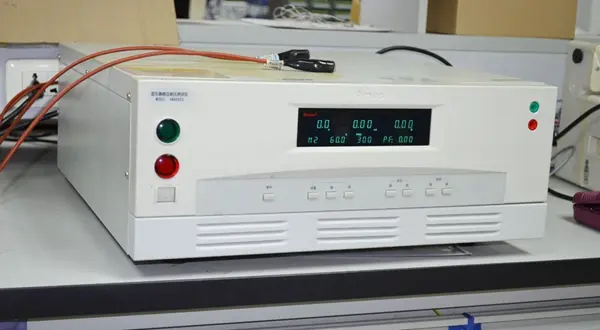 What is UL 1642 Compliance Certification?
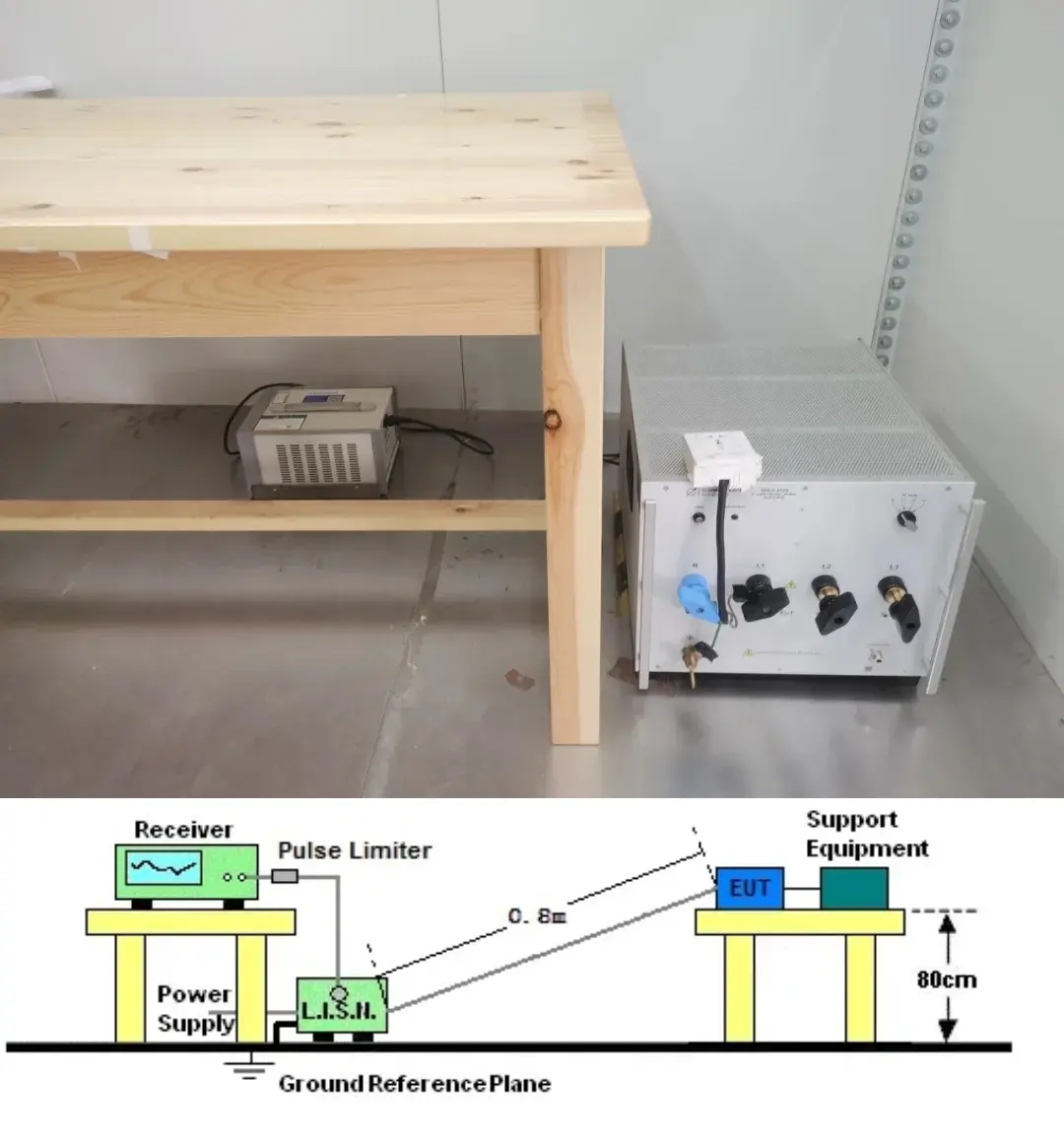 What Is Amazon's UL 60335 Standard
 How to get a UL 60335 Test Report
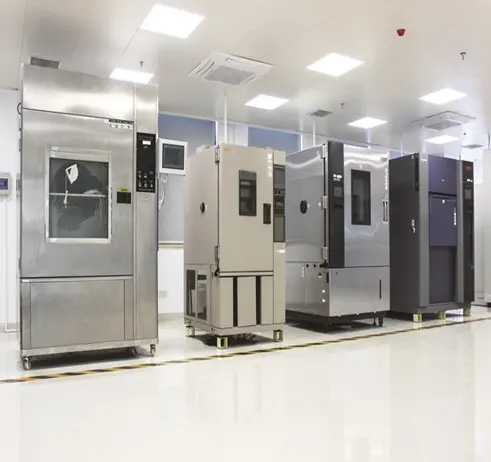 What is UL 60335 Certification Compliance?
 What is EN 61000 Certification Compliance?
 How to get an EN 61000 Test Report?
 What is the Amazon EN 55035 Standard?
 What is EN 55035 Certification Compliance?
Leave us a message
24-hour online customer service at any time to respond, so that you worry!