



Medical Suture Compliance Certification Testing
With the rapid advancement of medical technology, medical sutures have become an indispensable key material in surgical operations. As such, their quality and safety have garnered increasing attention from both the medical industry and regulatory agencies. To ensure the safety and efficacy of medical sutures, China has implemented a strict medical device registration management system. For manufacturers, completing the product registration process efficiently and in compliance with regulations has become a critical factor in gaining a competitive edge in the market.
Basic Concept Analysis
Medical sutures are specialized medical devices designed for use in surgical operations. Their primary functions include tissue suturing, wound closure, and hemostatic ligation. Based on different characteristics and usage requirements, medical sutures can be classified into various types:
1. By Absorbability:
- Absorbable Sutures
These sutures are gradually absorbed by the body after surgery, eliminating the need for removal. They are typically used for internal tissue suturing.
- Non-Absorbable Sutures
These sutures require removal after surgery and are often used for suturing the skin surface.
2. By Structure:
- Monofilament Sutures
Made from a single strand of fiber, these sutures have a smooth surface that reduces tissue damage.
- Multifilament Sutures
Composed of multiple fibers woven together, these sutures offer higher strength but may provoke stronger tissue reactions.
Each type of suture has unique physical properties and is suitable for specific surgical scenarios. Proper selection and use of sutures can significantly improve surgical success rates and reduce postoperative complications, leading to better patient recovery.
Risk Management Categories
According to the Medical Device Classification Catalog, absorbable sutures are classified as Class III medical devices, while non-absorbable sutures are classified as Class II medical devices.
Product Testing Plan
The registration process for medical sutures is complex and highly specialized, involving several critical stages. As a leading technical service provider in the medical device field, JJR Laboratory is committed to providing comprehensive lifecycle R&D support to pharmaceutical companies, medical device manufacturers, and research institutes. Our services help clients efficiently navigate the complianCE certification and market approval processes.
JJR Laboratory has worked on nearly ten suture-related projects, covering a wide range of products, including:
- Absorbable collagen sutures
- Absorbable surgical sutures
- Absorbable surgical barbed sutures
We have provided full-service support for these projects, from biological evaluation, large animal studies, and chemical characterization to regulatory compliance.
Case Study Analysis
(Absorbable Suture Test - Uterine Suturing Process)
Objective: Evaluate the effectiveness and safety of absorbable sutures in animal models.
- Animals: Bama miniature pigs
- Surgical Areas: Skin, subcutaneous tissue, fascia, muscle, uterine horns, stomach, intestines, and joint capsules.
Evaluation Metrics:
- General and Clinical Observations
Routine monitoring of animals' overall health.
- Blood Tests
Statistical analysis of blood routine and biochemical data.
- Wound Healing
Assessment of healing progress at various time points.
Biomechanical Analysis:
- Comparison of suture site differences between the test group and control group over time.
- Histopathological Analysis: Examination of tissue samples (skin, subcutaneous tissue, muscle) to observe typical changes, evaluating the degradation of absorbable sutures and their impact on tissue.
In Vivo Degradation Evaluation
Objective: Assess the degradation of absorbable sutures in animal models.
- Animals: New Zealand rabbits or SD rats
- Methods: Visual inspection, physical property testing, histological examination, and mechanical testing.
Analysis:
- Degradation Rate: Tracking how quickly sutures degrade over time.
- Mechanical Property Changes: Monitoring any alterations in strength or flexibility as sutures degrade.
- Safety and Applicability: Statistical evaluation of the suture’s in vivo performance.
JJR Laboratory's Expertise
JJR Laboratory specializes in biopharmaceutical testing and offers services such as:
- Biological Evaluation
- Large Animal Studies
- Chemical Characterization
- Microbiological Testing
- Sterilization Validation
- Physicochemical Performance testing
- Packaging and Transportation Testing
- System Certifications
For medical sutures, we provide customized market entry service plans, ensuring that products comply with relevant regulations and are approved by regulatory authorities.
Relevant Standards
biocompatibility Evaluation Studies (GB/T 16886 Series)
- In Vitro cytotoxicity testing (GB/T 16886.5-2017)
- Intradermal Reactivity Testing (GB/T 16886.23-2023)
- Skin sensitization testing (GB/T 16886.10-2024)
- Acute and Subacute Toxicity Tests (GB/T 16886.11-2021)
- Implantation Testing (GB/T 16886.6-2022)
- Pyrogen Testing (GB/T 16886.11-2021)
Preclinical Animal Testing
- Release Studies: GB/T 16886.1-2022, GB/T 16886.12-2023
Product Performance Studies
- Physical: Appearance, thread diameter, break strength, needle-suture bond strength
- Chemical: Chromium compounds, heavy metals, water content, ethylene oxide residues
- Microbiological: Sterility, endotoxins
Suture Needle Performance (YY/T 0043-2016)
- Mechanical: Hardness, elasticity, puncture force, cutting force, corrosion resistance
Special Performance - Antibacterial Sutures
- In Vitro Antibacterial Testing
- In Vitro Release Studies
Packaging and Shelf Life Studies
- Accelerated Aging Tests (YY/T 0681.1-2018)
- Seal Strength Testing (YY/T 0681.2-2010)
- Microbial Barrier Testing (YY/T 0681.14-2018)
Laboratory Facilities
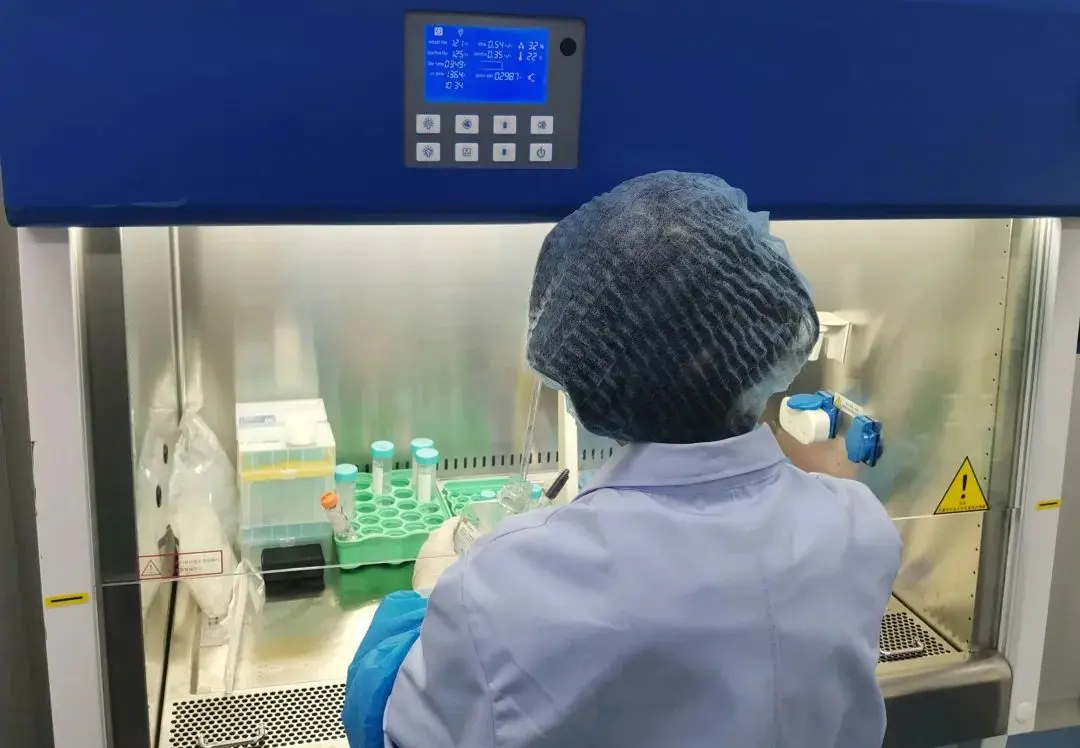
JJR Laboratory is equipped with specialized centers, including:
- Large Animal Testing Center
- Medical Device Testing Center
- Biological Evaluation Center
- Toxicology Lab
- Microbiological Testing Center
- Cleanroom Testing Center
We adhere to ISO/IEC 17025 and OECD GLP standards, holding national CMA, CNAS certifications, and an Animal Use License.
For more information, please contact JJR Laboratory for customized testing and certification services.
Email:hello@jjrlab.com
Write your message here and send it to us
 What is the ASTM F2264 Certification Test?
 What is ASTM F2194 Certification Testing?
 What is the ASTM F2167 Certification Test?
 What is the ASTM F2050 Certification Test?
 What is ASTM F1967 Certification Testing? How to g
 What is the ASTM F1917 Certification Test?
 How to get ASTM F1821 Certification
 What is the ASTM F1821 Testing Standard?
Leave us a message
24-hour online customer service at any time to respond, so that you worry!