



Prop 65 Textile Testing
California Proposition 65 (referred to as CA65 or CP65) is a crucial piece of legislation enacted in the U.S. state of California, designed to protect consumers from exposure to known hazardous chemicals. For the textile industry, this regulation imposes stringent testing requirements, serving as a mandatory threshold for market access in California.
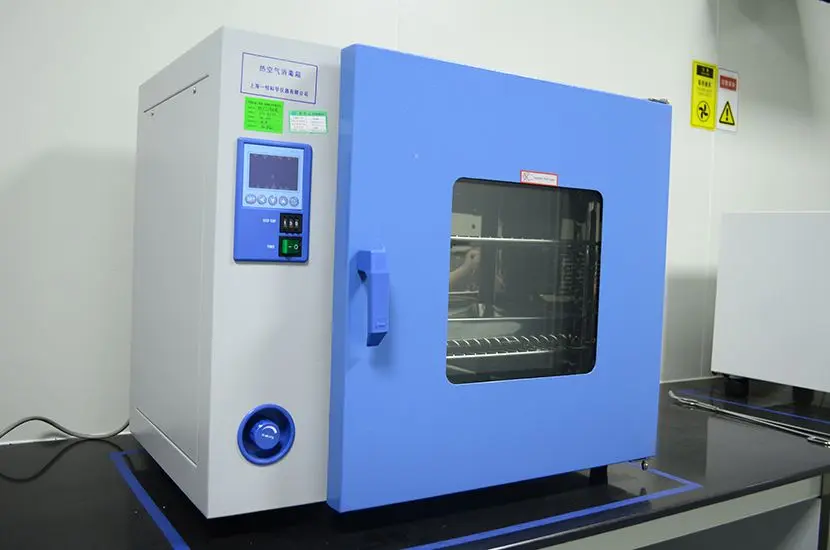
What is California Proposition 65?
Officially named the Safe Drinking Water and Toxic Enforcement Act of 1986, California Proposition 65 came into effect in November 1986. The regulation mandates that the California government regularly publish and update a list of chemicals known to cause cancer, birth defects, or other reproductive harm. First released in 1987, this list now includes nearly 1,000 hazardous substances and is updated at least once a year.
The core requirement of Proposition 65 is as follows: if a product contains any substance listed under the regulation, businesses must affix clear and reasonable warning labels on the product to inform consumers of potential health risks.
Common Hazardous Substances in Textiles and Their Limit Requirements
Dyes, auxiliaries, and finishing agents are widely used in textile production, which may introduce hazardous chemicals specified in the California Proposition 65 list. Below are the common hazardous substances in textiles and their corresponding limit requirements:
Heavy Metal Testing
1. Lead (Pb)
① Limit for accessible components: ≤ 100 ppm
② Stricter limit applies to children's products (e.g., ≤ 30 ppm for PVC coatings)
4. Cadmium (Cd)
① General limit: ≤ 300 ppm (same limit for accessible parts of children's toys)
6. Arsenic/Formaldehyde
① Formaldehyde testing is required for certain products (e.g., textiles) with a limit of ≤ 75 ppm
Phthalates
4. 7P Control
① Substances covered: DEHP, BBP, DBP, DIDP, DnHP, etc.
② General limit: ≤ 1,000 ppm per substance
3. PVC Materials in Children's Products
① Limit for individual phthalate: ≤ 600 ppm
Newly Added Substances (2025 List)
1. BISphenol S (BPS)
① Classified as a reproductive toxicant (effective from January 2025)
2. Vinyl Acetate
① Classified as a carcinogen starting from 2025; commonly found in adhesives and coatings
Bisphenol A (BPA)
(1) Limit for food-contact materials: ≤ 0.1 ppm (essentially undetectable)
(2) Flame Retardants
(3) For flammable products (e.g., mattresses, tents)
① Limit for flame retardants such as TCEP and TRIS: ≤ 5 ppm
Stricter requirements apply to specific product categories:
(4) For baby care mats and polyurethane foam products: TDCPP, TDBPP, and TCEP shall each not exceed 25 ppm.
(5) Foam mats for children and infants (e.g., play mats, cushions, back cushions) shall be free of specific flame retardants.
Which Textile Products Must Comply with Proposition 65?
Nearly all textile products sold in California fall under the scope of Proposition 65, including:
① Apparel, footwear, and accessories
② Home textile products (e.g., bed sheets, curtains)
③ Luggage and sports mats
④ Baby care products (e.g., care mats, foam mats)
⑤ Textile products with metal fittings (e.g., zippers, buttons)
Additional Notes
1. For baby care mats, polyurethane foam, or other filled products: TDCPP, TDBPP, and TCEP shall each be ≤ 25 ppm.
2. Foam mats for children and infants (e.g., play mats, cushions, back cushions) shall not contain flame retardants, including but not limited to TDCPP, TCEP, TCPP, TBB, TBPH, TPP, V6, MDPP, DBPP, TBPP, PentaBDE, OctaBDE, and DecaBDE.
Email:hello@jjrlab.com
Write your message here and send it to us
 What is the Difference Between EU PPWR and EPR?
 What is Japanese METI Registration
 Exporting to Saudi Arabia Saber Certification: PCo
 How to get a Saudi Arabia MSDS?
 Do I Still Need PPWR Compliance if I Have RoHS?
 Amazon Children's Toys Direct Validation Mandatory
 UL 4200A-2026 Compliance Standard for Button/Coin
 Guide to the EN18031 Testing Standard
Leave us a message
24-hour online customer service at any time to respond, so that you worry!