



Constructive Playthings Foam Block Toys Safety Standards
As educational toys, foam blocks are highly popular among parents and children due to their lightweight, stackable, and shatter-resistant features. Currently, common foam blocks on the market are mainly made of materials such as EPP (Expanded Polypropylene) and EVA (Ethylene Vinyl Acetate Copolymer). These materials boast excellent elasticity, light weight, and compression resistance. Even if the toy structure collaPSEs, it will not cause crushing injuries to children, making them particularly suitable for infants and toddlers.
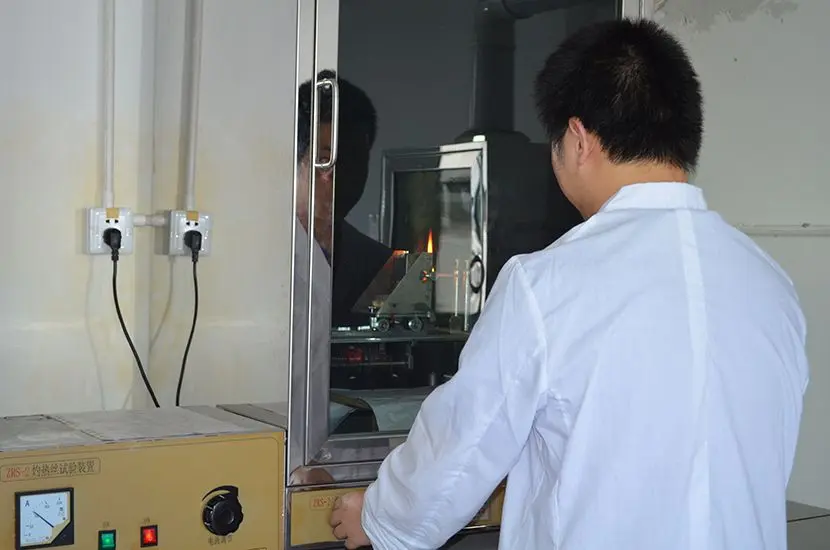
However, foaming agents may be used in the production process of foam toys. These chemical substances may generate harmful substances such as formamide at high temperatures. Formamide can enter the human body through the respiratory tract and skin, causing damage to the nervous system, cardiovascular system, and liver. Therefore, understanding the safety standards of various countries is crucial for protecting children's health.
EU Safety Standard (EN71)
The EU imposes strict control over toy safety, with its core standard being the EN71 series, which applies to any product or material designed or intended for play by children under 14 years old.
① Physical and Mechanical Properties (EN71-1): Including drop test, small parts test, sharp edge test, tensile test, etc., to ensure that toys pose no risk of suffocation or laceration.
② Flammability (en71-2): Evaluates the combustion performance of toy materials and restricts the use of flammable materials.
③ Migration of Certain Elements (EN71-3): Detects the dissolution amount of 19 harmful heavy metals (such as lead, cadmium, mercury), simulating the release of harmful substances in the environment of children's saliva and gastric juice.
④ Chemical Properties: Puts forward general requirements for organic compounds in toys, including flame retardants, colorants, plasticizers, etc.
The EU also requires that foam block toys must pass CE certification, indicating that the products comply with EU safety directives, before they can be sold in the European market.
US Safety Standards
US Toy Safety Standards are mainly composed of ASTM F963 and the regulations of the Consumer Product Safety Commission (CPSC).
① Physical and Mechanical Safety: Requires avoiding suffocation risks caused by small parts and ensuring the structural stability of toys.
② Chemical Restrictions: Lead content limit (≤90mg/kg for surface coatings, ≤100mg/kg for substrates), and phthalate content ≤0.1%.
③ Combustion Performance: Specifies clear limits on the combustion rate of toy materials.
All toys entering the US market must meet these standards. In particular, products for young children such as foam blocks need to pass relevant tests and provide test reports.
Canadian Safety Standards
Toy safety in Canada is mainly governed by the Hazardous Products (Toys) Regulations (sor/2011-17). Its standards are similar to those of the US but with more stringent requirements in some aspects.
① Lead Content Limit: Lead content in substrates ≤100mg/kg.
② Phthalate Limit: Content ≤0.1%.
Canada also implements csa certification, which is the largest safety certification body in the country, with particularly strict requirements for electrical toys. Although CSA certification usually targets electronic and electrical products, the safety standards for toys are also subject to strict supervision.
China's GB 6675-2025 standard has added new chemical safety requirements, which are basically consistent with the technical framework of the EU en71 standard. In 2023, the EU adopted a new toy safety regulation proposal, further strengthening the requirements for chemical properties.
When purchasing foam block toys, parents should pay attention to the following:
① Check Labels: Purchase from regular channels, and check for certification marks such as CE and ASTM, as well as manufacturer information and implemented standards.
JJR Laboratory in China provides compliance testing for manufacturers selling children's toys on platforms such as Amazon and TEMU. Inquiries are welcome. We can help you save 30% of certification costs.
Email:hello@jjrlab.com
Write your message here and send it to us
 What is the Difference Between EU PPWR and EPR?
 What is Japanese METI Registration
 Exporting to Saudi Arabia Saber Certification: PCo
 How to get a Saudi Arabia MSDS?
Do I Still Need PPWR Compliance if I Have RoHS?
How to get a Saudi Arabia MSDS?
Do I Still Need PPWR Compliance if I Have RoHS?
 Amazon Children's Toys Direct Validation Mandatory
 UL 4200A-2026 Compliance Standard for Button/Coin
 Guide to the EN18031 Testing Standard
Leave us a message
24-hour online customer service at any time to respond, so that you worry!