



UN 38.3 Certification for Lithium Batteries
What is un 38.3 certification?
un 38.3 refers to Section 38.3, Part 3 of the United Nations Manual of Tests and Criteria for the transport of dangerous goods. It mandates that lithium batteries must pass the following tests before transportation to ensure safety:
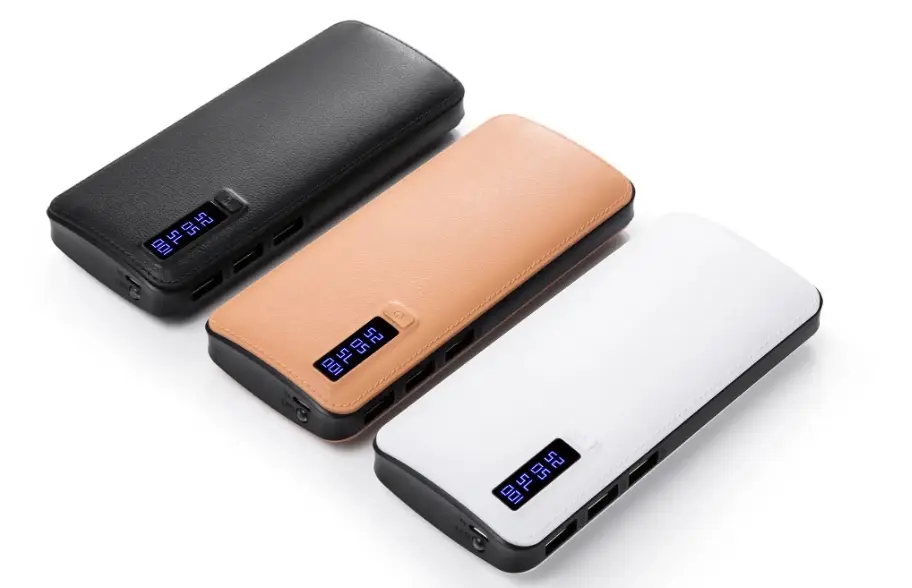
- Altitude Simulation
- Thermal Test (High and Low Temperature Cycling)
- Vibration Test
- Shock Test
- External Short Circuit
- Impact Test
- Overcharge Test
- Forced Discharge Test
If the lithium battery is not installed in or packed with equipment, it must also pass a 1.2-meter drop test.
Why is UN 38.3 Certification Required?
According to the IATA (International Air Transport Association) Dangerous Goods Regulations (DGR), lithium batteries must have a UN 38.3-compliant test report issued by a third-party testing and certification body in order to be shipped as general cargo by air. Airlines will not accept shipments without this certification.
Which Products Require UN 38.3 Certification?
1. Various lead-acid batteries (e.g., automotive starter batteries, stationary lead-acid batteries, small valve-regulated sealed lead-acid batteries, etc.).
2. Various power rechargeable batteries (e.g., batteries for electric vehicles, electric road vehicles, power tools, hybrid vehicles, etc.).
3. Various mobile phone batteries (e.g., lithium-ion batteries, lithium-polymer batteries, NiMH batteries, etc.).
4. Various small rechargeable batteries (e.g., laptop batteries, digital camera batteries, camcorder batteries, cylindrical batteries, wireless communication batteries, portable DVD batteries, CD and MP3 player batteries, etc.).
5. Various primary batteries (e.g., alkaline zinc-manganese batteries, lithium-manganese batteries, etc.).
What Test Items Are Included in UN 38.3?
Detailed Test Items:
1) T1. Altitude Simulation
2) T2. Thermal Test (High and Low Temperature Cycling)
3) T3. Vibration Test
4) T4. Shock Test
5) T5. External Short Circuit
6) T6. Impact Test (for cylindrical cells > 18mm diameter), Crush Test (for prismatic cells or cylindrical cells ≤ 20mm diameter)
7) T7. Overcharge Test
8) T8. Forced Discharge
Our Company’s Capabilities:
We have an experienced international technical team dedicated to serving all types of batteries. Our product coverage includes small digital batteries, large industrial and military battery packs, and types such as primary batteries, small rechargeable lithium and nickel-based series, power batteries, and lead-acid batteries.
We provide comprehensive certification services including:
- un38.3 Transport Certification
- CE (EU)
- CB (International)
- CQC (China)
- KC (Korea)
- PSE (Japan)
- UL (USA)
- bsmi (Taiwan)
- MIC (Vietnam)
- SIRIM (Malaysia)
- GOST-R (Russia)
...and other international certification and testing projects.
Common Lithium Battery Transport Classifications:
1. Lithium-ion Batteries:
1) Transported separately (PI965), UN number: UN3480
2) Packed with equipment / Installed in equipment (PI966, PI967), UN number: UN3481
2. Lithium Metal Batteries:
1) Transported separately (PI968), UN number: UN3090
2) Packed with equipment / Installed in equipment (PI969, PI970), UN number: UN3091
Email:hello@jjrlab.com
Write your message here and send it to us
 How to get an EN 301 893 test report?
 What is EN 301 893 Certification Compliance
 What is the CSA 62368-1 Standard?
 Canadian Pacifier Compliance SOR/2016-184
 US Agent for FCC & EC REP for CE: Compliance R
 What is Recycling of WEEE
 What is PPWR Packaging Compliance
What is Extended Producer Responsibility
What is PPWR Packaging Compliance
What is Extended Producer Responsibility
Leave us a message
24-hour online customer service at any time to respond, so that you worry!