



Vascular Interventional Equipment EMC Testing
Vascular interventional equipment emc testing is a crucial process to ensure that the device functions properly in an electromagnetic environment and does not interfere with other equipment. Below is a detailed introduction to it:
Necessity of Testing
1. Ensuring Patient Safety
If the electromagnetic emission of vascular interventional equipment fails to meet standards, it could lead to device malfunction, directly threatening the patient's life, such as impacting the device's ability to accurately monitor vascular conditions.
2. Improving Equipment Reliability
emc testing helps identify and resolve potential issues related to electromagnetic environments, ensuring that the device works stably in complex electromagnetic environments and reducing the likelihood of failure.
3. Compliance with Regulatory Requirements
Both domestic and international regulations require strict electromagnetic compatibility (EMC) standards for medical devices. Regulations such as China’s "Regulations on the Supervision and Administration of Medical Devices" make testing a necessary condition to ensure that the product is compliant for market release.
Main Testing Items
- Electromagnetic Emission (EMI) Testing
- Conducted Emission Testing
- Electromagnetic Susceptibility (EMS) Testing
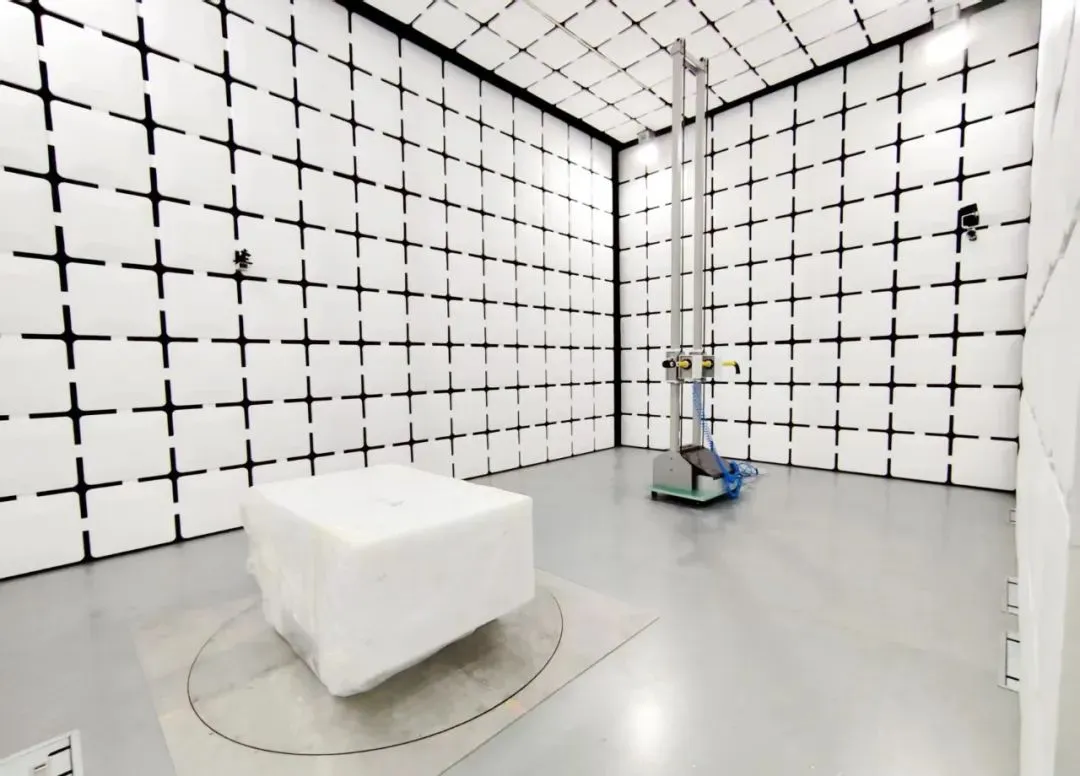
- Radiated Immunity Testing
- Electrostatic Discharge Immunity Testing
- Fast Transient/ Burst Immunity Testing
- Conducted Immunity Testing
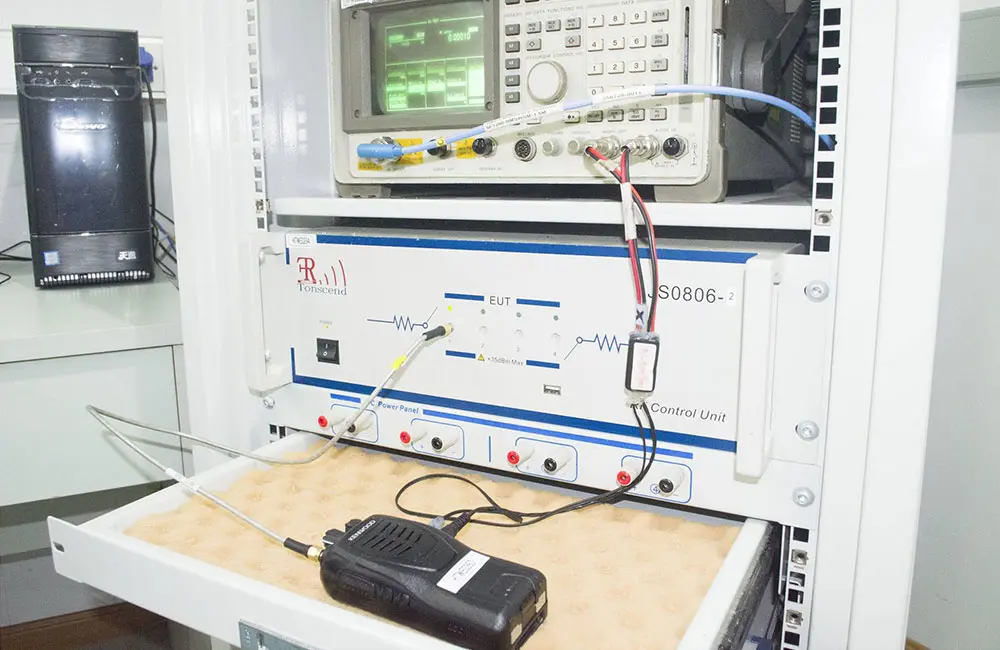
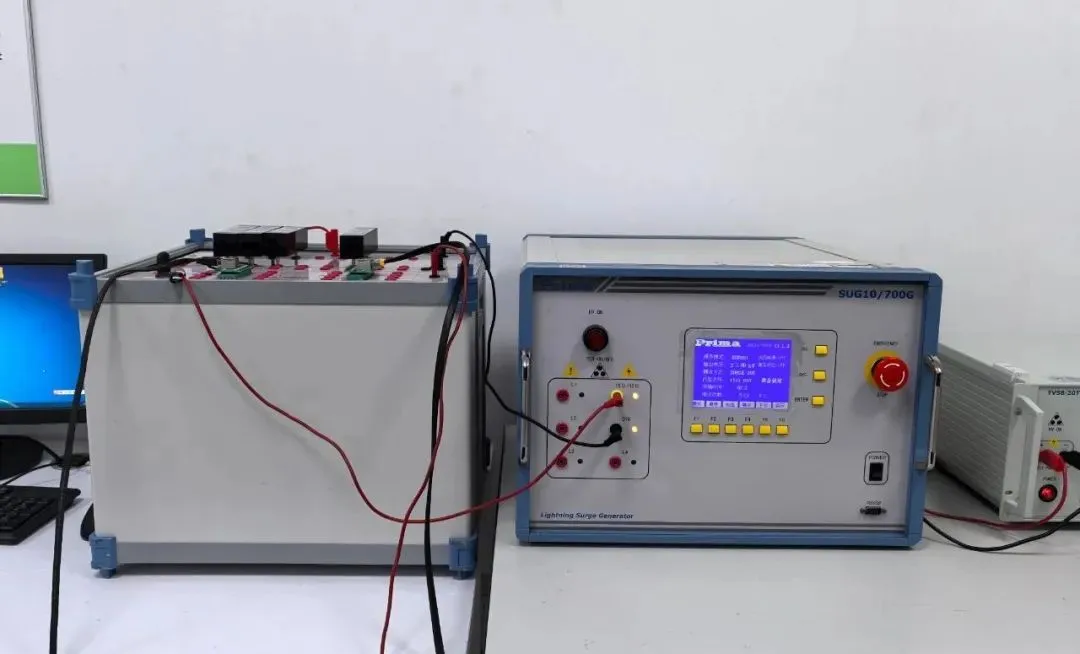
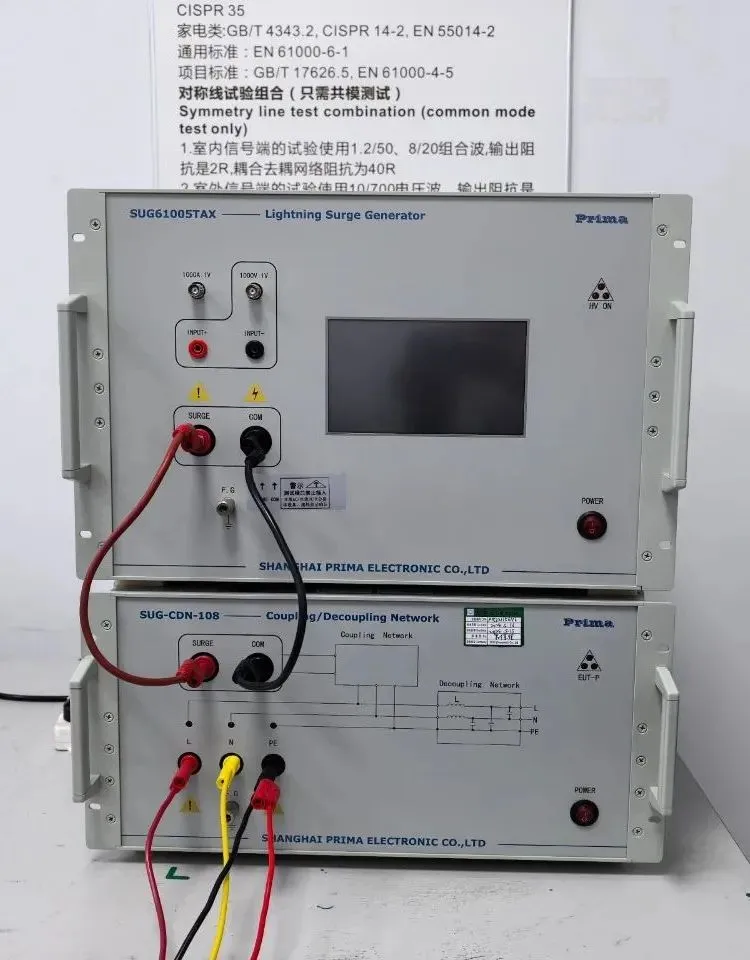
- Surge Immunity Testing
- Power Frequency Magnetic Field Immunity Testing
- Voltage Dips Immunity Testing
Testing Standards and Regulations
- International Standards: iec 60601-1-2
- National Standards: YY 9706.102, etc., which regulate the electromagnetic compatibility of medical devices; GB 9706.1-2007 is China’s national standard for the electrical safety of medical devices.
Email:hello@jjrlab.com
Write your message here and send it to us
 What is the ASTM F2167 Certification Test?
 What is the ASTM F2050 Certification Test?
 What is ASTM F1967 Certification Testing? How to g
 What is the ASTM F1917 Certification Test?
 How to get ASTM F1821 Certification
 What is the ASTM F1821 Testing Standard?
 Electronic Products Safety Testing Laboratory
 HAC Hearing Aid Compatibility Testing
Leave us a message
24-hour online customer service at any time to respond, so that you worry!