



What is FCC EMC Testing?
If you plan to manufacture or sell electronic devices in the United States, your product needs to undergo testing to ensure optimal electromagnetic compatibility (EMC). The testing process is extensive and confirms that your device meets fcc certification requirements. Once your product passes the tests, you will receive an official approval seal from the FCC, granting you permission to sell the product.
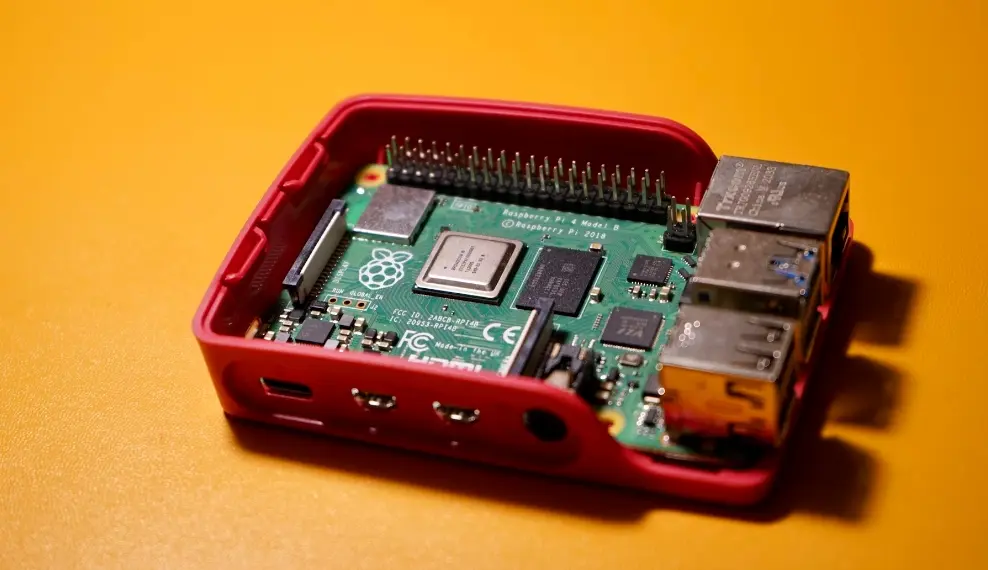
To ensure you understand every step of the process, it’s essential to familiarize yourself with the inner workings of electromagnetic compatibility (EMC).
what is fcc-emc testing?
1. emc testing is a mandatory step for your electronic products to obtain fcc approval. EMC testing has two main types: emissions testing and immunity testing.
2. Emissions testing ensures that your product's emissions do not exceed the limits for its specific product category. According to emissions testing guidelines, users should be able to operate your product under normal conditions without experiencing harmful interference.
3. Immunity testing ensures that the relevant electronic devices meet expected standards. Under normal operating conditions, devices should function as intended without any issues. Additionally, immunity testing measures how your device responds to certain stimuli, such as electromagnetic noise emitted by other types of equipment.
How is FCC-EMC Measured?
1. To confirm that your electronic product passes radiated emissions tests and immunity tests, it must go through a formal EMC measurement process. Understanding how EMC is measured will help you prepare better for the testing.
2. The primary goal of EMC testing is to evaluate radiated emissions, which are unintended interferences generated by electronic devices. These emissions propagate through the air, often originating from interconnecting cables.
3. During testing, a spectrum analyzer is used to measure radiated emissions. Some testing officials may also use measuring antennas to facilitate the process. The purpose of these tools is to measure the intensity, magnitude, and compliance of radiated emissions as accurately as possible.
4. EMC testing also addresses conducted emissions, which refer to electromagnetic energy conducted into power lines. During EMC testing, these emissions are carefully measured to ensure they do not exceed specified limits.
5. The goal of conducted emissions testing is to identify and isolate any unwanted RF signals that should not be present. To increase the likelihood of passing this part of the testing process, it is critical to thoroughly understand the procedure and prepare your electronic devices for submission.
The above provides an overview of FCC-EMC testing. If you have products that require fcc certification, you can consult JJR Lab in China, an independent third-party testing and certification organization that specializes in providing certification services.
Email:hello@jjrlab.com
Write your message here and send it to us
 What is the ASTM F2167 Certification Test?
 What is the ASTM F2050 Certification Test?
 What is ASTM F1967 Certification Testing? How to g
 What is the ASTM F1917 Certification Test?
 How to get ASTM F1821 Certification
 What is the ASTM F1821 Testing Standard?
 Electronic Products Safety Testing Laboratory
 HAC Hearing Aid Compatibility Testing
Leave us a message
24-hour online customer service at any time to respond, so that you worry!