



A Complete Guide to Biocompatibility Testing
biocompatibility testing is a core part of the safety and performance evaluation of medical devices. It aims to verify whether medical device materials will cause toxic reactions, allergic reactions, or other adverse physiological reactions when in contact with the human body. The test items are determined based on the usage characteristics, contact site, and duration of the medical device, and mainly include the following aspects:
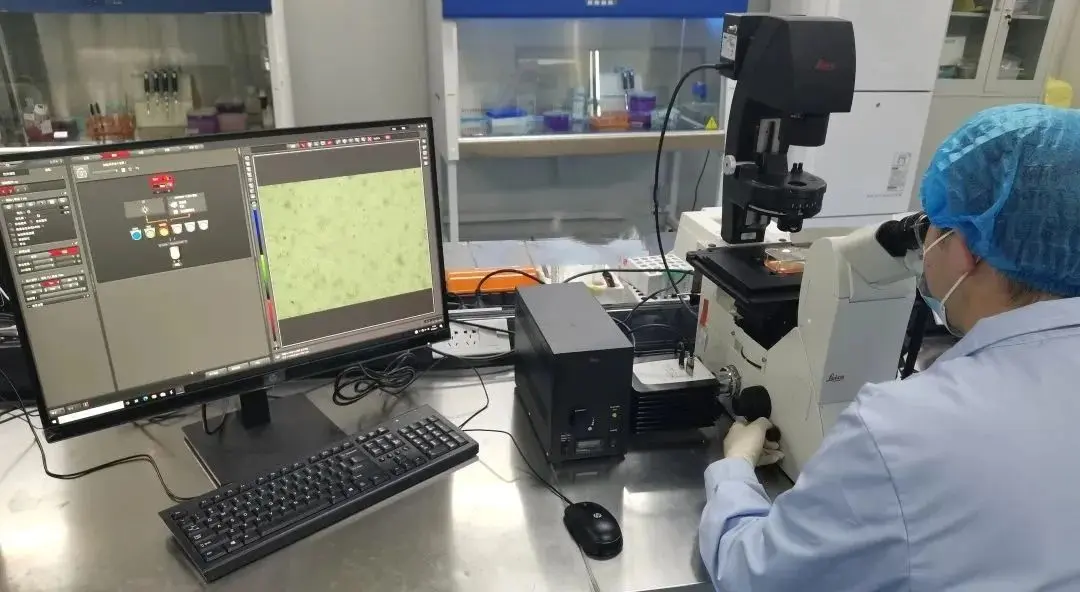
Three Basic Tests (For medical devices with low human contact risk)
1. In Vitro cytotoxicity test
Purpose: To evaluate the effects of medical devices or materials on cell growth and viability. Technical consultation: Mr. Zhou, 136-3232-1689.
Method: Through in vitro cell culture, observe the effects of material extracts on cell growth, morphology, and function.
Criteria: The relative cell proliferation rate shall be no less than 70% (when using the MTT method), or the cytotoxicity shall not exceed a specified grade (e.g., agar diffusion method).
Application: Almost all medical devices in contact with the human body are required to undergo this test.
2. Skin Sensitization Test
Purpose: To evaluate whether medical devices or materials may cause allergic reactions.
Method: Through skin contact tests or subcutaneous injection tests, observe whether test animals show symptoms of allergic reactions (e.g., erythema, edema).
Criteria: No delayed-type hypersensitivity reactions shall be observed.
Application: Applicable to medical devices in long-term contact with the skin, such as dressings, patches, etc.
3. Irritation Test
Purpose: To evaluate the irritating effects of medical devices or materials on local tissues.
Method: Through skin, eye, or mucosal contact tests, observe whether there are irritation symptoms such as redness, swelling, and pain.
Classification:
4. Primary skin irritation: Irritation index shall be no more than 0.4.
5. Vaginal irritation: Irritation index shall be no more than 4 (very slight) / 8 (slight).
6. Oral mucosal irritation: Irritation index shall be no more than 4 (very slight) / 8 (slight).
7. Eye irritation: The test sample shall not cause eye irritation reactions.
Application: Applicable to medical devices in contact with the skin and mucous membranes, such as catheters, endoscopes, etc.
Advanced Tests (For long-term contact or high-risk contact sites)
8. Systemic Toxicity Test
Purpose: To evaluate the systemic toxic effects of medical devices or materials.
Method: Through animal experiments (e.g., tail vein injection, intraperitoneal injection), observe whether animals show systemic toxicity reactions (e.g., weight loss, organ damage) after contact with materials.
Classification:
9. Acute systemic toxicity: Evaluate adverse effects after single, multiple, or continuous exposure within 24 hours.
10. Subacute systemic toxicity: Evaluate toxic effects after continuous exposure for 14 or 28 days.
11. Subchronic systemic toxicity: Evaluate toxic effects after continuous exposure for 90 days.
Application: Applicable to implanted or long-term contact medical devices, such as artificial joints, cardiac pacemakers, etc.
12. Genotoxicity, Carcinogenicity and Reproductive Toxicity Tests
Purpose: To evaluate whether medical devices or materials may cause genotoxicity, carcinogenicity, or reproductive toxicity to the human body.
Method:
1. Gene mutation test: e.g., Salmonella typhimurium reverse mutation assay (Ames test), mouse lymphoma cell gene mutation test.
2. Chromosomal aberration test: Observe structural or numerical abnormalities of chromosomes.
3. Reproductive and developmental toxicity test: Evaluate effects on the reproductive system or embryonic development.
Criteria: Mutagenicity shall be negative.
Application: Applicable to long-term implanted or substance-releasing medical devices, such as drug-eluting stents, contraceptive devices, etc.
4. Implantation Test
Purpose: To evaluate the compatibility of medical devices or materials with in vivo tissues.
Method: Implant materials into animals (e.g., subcutaneous, muscle, or bone) and observe local histopathological changes.
Criteria: Compared with control samples, no or only slight histological reactions shall be induced.
Application: Applicable to implanted medical devices, such as orthopedic implants, dental implants, etc.
5. Hemocompatibility Test
Purpose: To evaluate the compatibility of medical devices or materials when in contact with blood.
Method: Observe the effects of materials on platelet activation, thrombosis, plasma protein adsorption, etc.
Application: Applicable to blood-contacting medical devices, such as vascular catheters, artificial heart valves, etc.
1. Degradation Test
Purpose: To evaluate the degradation degree and product safety of biodegradable medical devices or materials.
Method: Through in vitro and in vivo experiments, determine the degradation rate, changes in mechanical strength, and the absorption, distribution, and metabolism of degradation products in vivo.
Application: Applicable to absorbable sutures, biodegradable stents, etc.
Special Tests (According to product characteristics)
2. Pyrogen Test
Purpose: To evaluate the limit of pyrogens contained in medical devices or materials.
Method: Inject the test product intravenously into rabbits and observe the increase in body temperature.
Criteria: The test sample shall show no pyrogen reaction.
Application: Applicable to injectable medical devices or liquid-contacting products.
3. Ethylene Oxide Residue Test
Purpose: To evaluate whether the ethylene oxide residue in sterilized medical devices meets safety standards.
Application: Applicable to medical devices sterilized with ethylene oxide.
Test Standards and Procedures
4. International Standards: ISO 10993 series standards (e.g., iso 10993-1:2018).
5. National Standards: GB/T 16886 series standards (basically consistent with ISO 10993).
Test Procedure:
• Material identification and chemical characterization: Analyze material composition and potential harmful substances.
• Selection of test items: Determine test content according to the product contact site, duration, and risk level.
• In vitro / in vivo tests: Conduct tests in accordance with standard methods.
• Data analysis and evaluation: Synthesize test results to assess biocompatibility.
Importance of Testing
6. Ensure safety: Avoid toxicity, allergy, or immune reactions caused by medical devices through strict testing.
1. Guide product design: Identify potential risks and optimize material selection and structural design.
2. Meet regulatory requirements: A necessary step for regulatory reviews such as CE certification and FDA registration.
3. Enhance market competitiveness: Products that pass biocompatibility testing are more likely to gain clinical recognition and market trust.
Email:hello@jjrlab.com
Write your message here and send it to us
 How to get SOR/2011-17 Compliance Certification
 What is DGCCRF Certification Testing
 Bow and Arrow Children's Toys CPC Certification
 POPs Testing Service Consultation
 EU PPWR New Packaging Compliance
How to Obtain an MSDS/SDS Report
EU PPWR New Packaging Compliance
How to Obtain an MSDS/SDS Report
 CPSIA Testing Service Consulting
 Food Contact Materials Testing Services
Leave us a message
24-hour online customer service at any time to respond, so that you worry!