



What is CE LVD and EMC?
What is CE-LVD (low voltage directive)?
CE-LVD stands for the Low Voltage Directive. The current regulation number is 2014/35/EU, which officially came into effect on April 20, 2016, replacing the old directive 2006/95/EC.
Core Objective
To ensure that electrical equipment designed for use within specific voltage ranges does not pose electrical, mechanical, or fire risks during use, thereby protecting the safety of persons, domestic animals, and property.
Scope of Application (Voltage Limits)
Key Safety Requirements
Insulation Protection: Basic and supplementary insulation to prevent electric shock.
Temperature Rise Limits: Temperature control of the product under normal and fault conditions.
Dielectric Strength Test: Verifying the strength of the insulation.
Earth Continuity: Ensuring the protective earthing is effective.
Mechanical Stability: Structural strength and stability of the product.
Marking and Instructions: Clear safety warnings and instructions for use.
Common Harmonized Standards (EN Standards)
What is CE-EMC (Electromagnetic Compatibility Directive)?
CE-EMC stands for the Electromagnetic Compatibility Directive. The current regulation number is 2014/30/EU, which also took effect on April 20, 2016, replacing the old directive 2004/108/EC.
Core Objective
To ensure that electrical and electronic equipment:
Does not generate excessive electromagnetic interference (EMI - Electromagnetic Interference): It does not affect the normal operation of other equipment.
Possesses sufficient immunity (EMS - Electromagnetic Susceptibility): It can operate normally in its intended electromagnetic environment.
Scope of Application
No voltage limits—almost all products containing electrical/electronic components are governed by the EMC directive, including:
Mains-powered equipment.
Battery-powered equipment (this is a key difference from LVD).
Wireless communication equipment (except where the RED Directive takes precedence).
emc testing
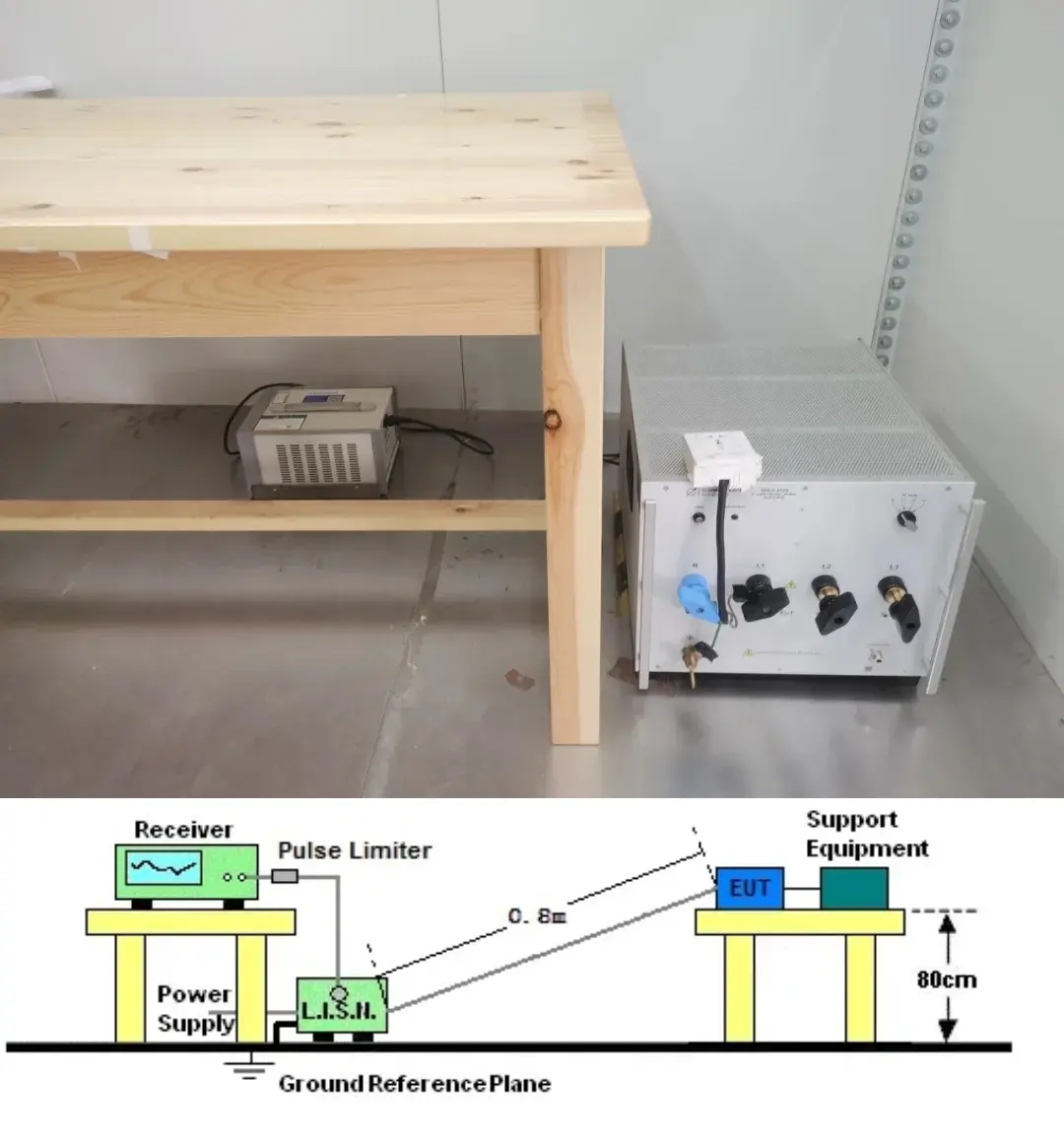
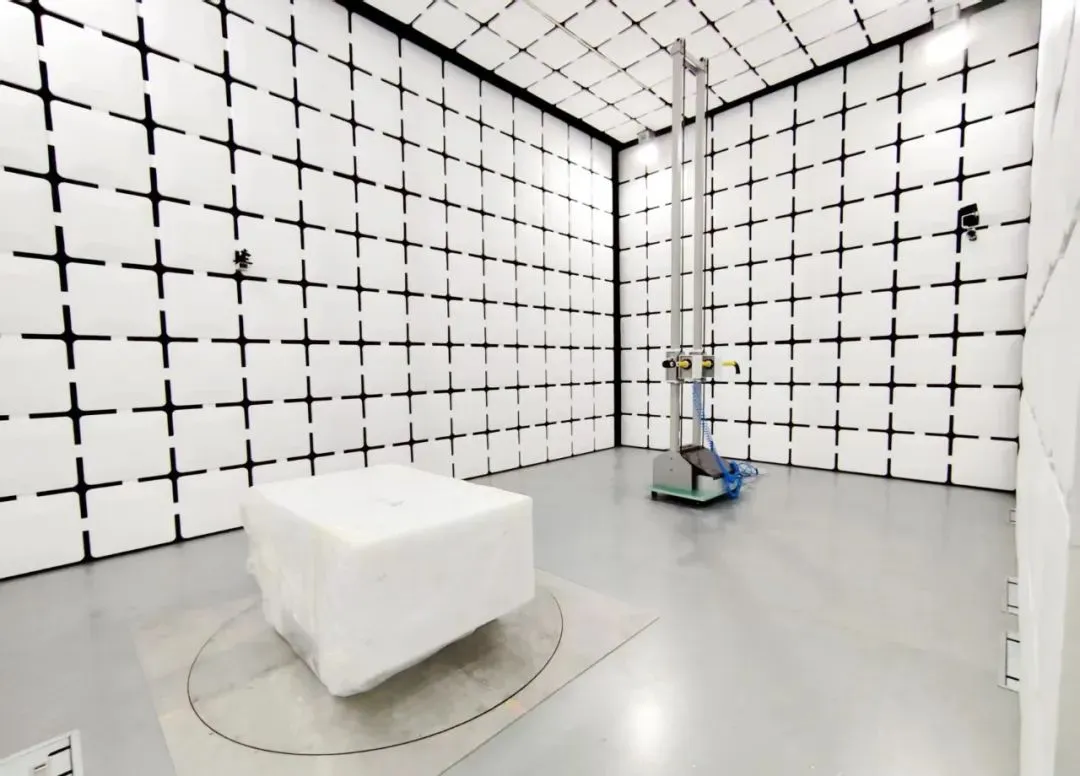
1. Electromagnetic Interference (EMI) Testing
2. Electromagnetic Susceptibility (EMS) Testing
Differences Between LVD and EMC
Which Products Need LVD and EMC?
Must ce compliance Satisfy Both LVD and EMC?
Key Conclusion: For mains-powered products, both must be met; neither can be missing.
This is one of the most common misunderstandings for exporting companies. Below is a detailed explanation:
Three Situations Requiring Both
Direct Mains Connection Products (AC 50V-1000V or DC 75V-1500V)
Examples: Home appliances, lamps, adapters, computers, power tools.
Reason: There are both electric shock/fire risks (LVD) and electromagnetic interference risks (EMC).
Products Including Adapters or Charging Modules
Even if the main device is battery-powered, the adapter itself must satisfy LVD + EMC.
EU Market Surveillance Requirements
Customs and market oversight bodies check compliance for both directives simultaneously.
The DoC (Declaration of Conformity) must list both 2014/35/EU and 2014/30/EU.
Situations Requiring Only EMC
Purely battery-powered products with voltages below the LVD range.
Examples: Dry-cell LED night lights (3V), Bluetooth headsets, smart bracelets.
Legal Consequence Warnings
CE LVD EMC Certification Application Steps
Step 1: Identify Applicable Directives
• Mains connected? → LVD + EMC
• Battery only? → EMC only
• Wireless function? → RED may take priority
• Contains battery? → Battery Directive
Step 2: Determine Harmonized Standards
• Check official EU Journal lists
• Confirm if the version is the latest
• Select standards covering functions
Step 3: Product Testing
• Send samples to ISO 17025 lab (JJR)
• Or manufacturer self-test (if capable)
• Obtain reports (LVD Report + EMC)
Step 4: Compile Technical File
• Product description & Schematics
• Copies of test reports
• Risk assessment report
• Critical Component List (CDF)
• User manual & Safety instructions
⚠️ Retention: 10 years after EOL
Step 5: Draft EU Declaration (DoC)
• Manufacturer name and address
• Product model and description
• Directive refs: 2014/35/EU, 2014/30/EU
• List of harmonized standards used
• Authorized signature and date
Step 6: Affix ce marking
• Minimum height: 5mm
• Clear, visible, and indelible
• Add Notified Body No. (if applicable)
• Place product on the EU market
Testing Costs and Duration
Key Factors Affecting Cost
Product Complexity: Multi-functional products require more standards testing.
Wireless Function: WiFi/Bluetooth requires additional RED testing.
Rectification Frequency: Failure in the first test requires re-testing fees.
Laboratory Accreditation: International bodies (TÜV/SGS) cost more than domestic labs.
Expedited Service: Can reduce time by 50%, but increases cost by 30-50%.
Common Errors and Pitfalls Guide
Error 1: Thinking "CE is a certificate"
Truth: CE is a manufacturer's self-declaration, not a certificate issued by a third party. The DoC is signed by the manufacturer.
Error 2: Doing LVD but ignoring EMC
Truth: Mains products must meet both. LVD-only products cannot be legally sold.
Error 3: Using expired or incorrect EN standards
Truth: You must use the latest harmonized standards from the official EU Journal.
Error 4: Missing Directive numbers on the DoC
Truth: The DoC must explicitly list all applicable directive numbers.
Error 5: Improper CE mark sizing
Truth: Minimum height is 5mm. It must follow standard proportions and be legible.
Error 6: Confusing LVD and EMC voltage ranges
Truth: LVD has a 50V-1000V limit; EMC has no voltage limit.
Error 7: Improper storage of Technical Files
Truth: Files must be kept for 10 years after the product is discontinued.
Frequently Asked Questions (FAQ)
What is the difference between CE-LVD and CE-EMC?
A: They are independent mandatory directives. LVD (2014/35/EU) focuses on electrical safety (shock, fire) for AC 50V-1000V products. EMC (2014/30/EU) focuses on electromagnetic compatibility (no interference) and has no voltage limits. Key difference: LVD has a voltage threshold; EMC does not.
Must a product pass both LVD and EMC to bear the CE mark?
A: For mains-connected products, yes. If the operating voltage is within the LVD range, both are required. The DoC must cite both directives. Purely battery-powered products usually only need EMC.
Which products need CE-LVD testing?
A: Electrical equipment designed for specific voltage ranges that are not purely battery-powered, including home appliances, lighting, adapters, tools, and IT equipment.
What items are included in CE-EMC testing?
A: It is divided into EMI (Conducted/Radiated Emissions, Harmonics, Flicker) and EMS (ESD, RF Immunity, EFT, Surge, Conducted Immunity, Dips/Interruptions).
How much does CE LVD EMC certification cost and how long does it take?
A: A full set usually costs between $2,000 - $10,000 (¥15,000 - ¥70,000) and takes 3-6 weeks, depending on complexity and rectification needs.
Can I sell in the EU without CE-LVD EMC certification?
A: No. They are mandatory. Consequences include customs seizure, recalls, fines (up to millions of Euros), and criminal liability.
Are CE certification and LVD EMC testing the same certificate?
A: No. CE is a Declaration of Conformity (DoC) signed by the manufacturer based on LVD and emc test reports. There is no official "ce certificate" document.
If a product has cb certification, is CE LVD EMC still needed?
A: Yes. CB is a system for mutual recognition of test reports, but it cannot replace the CE mark. You still need a DoC and the CE mark.
Can I test LVD and EMC myself?
A: Yes, but with conditions. Manufacturers can self-declare if they have the necessary equipment and expertise to follow harmonized standards. Most rely on ISO 17025 accredited labs.
How long must technical files be kept?
A: For 10 years after the last unit was placed on the market. Manufacturers must keep drawings, reports, and the DoC available for inspection.
Email:hello@jjrlab.com
Write your message here and send it to us
 EU PPWR New Packaging Compliance
 How to Obtain an MSDS/SDS Report
 CPSIA Testing Service Consulting
 Food Contact Materials Testing Services
 California 65 Testing Service Consultation
 REACH Chemical Testing Services
 Electronic Vaporizers EU TPD / US PMTA / UK MHRA
 ISO 10993 Biocompatibility Standards
Leave us a message
24-hour online customer service at any time to respond, so that you worry!