



Biocompatibility Testing for Medical Devices (ISO 10993)
We provide tests to evaluate the cytotoxicity and biological risks in the chemical components of medical devices.
Biological Evaluation Plan
This plan can be used as a risk assessment tool to evaluate the potential risks of a product, determine whether these risks can be justified based on existing data, or whether further biocompatibility testing is required. The Biological Evaluation Plan (BEP) is a crucial step for all types of medical devices. This is because manufacturers must have complete technical documentation to ensure the safety, effectiveness, and performance of their products. The ISO 10993 standard reiterates this, stating that "the biological evaluation of any material or medical device intended for use in humans shall be part of a structured biological evaluation plan within the risk management process in accordance with ISO 14971".
iso 10993 Series Standard Tests
ISO 10993 - 3: Tests for Genotoxicity, Carcinogenicity, and Reproductive Toxicity:When it is necessary to assess the potential genotoxicity, carcinogenicity, or reproductive toxicity of a medical device, ISO 10993 - 3:2014 applies, such as the genotoxicity AMES test.
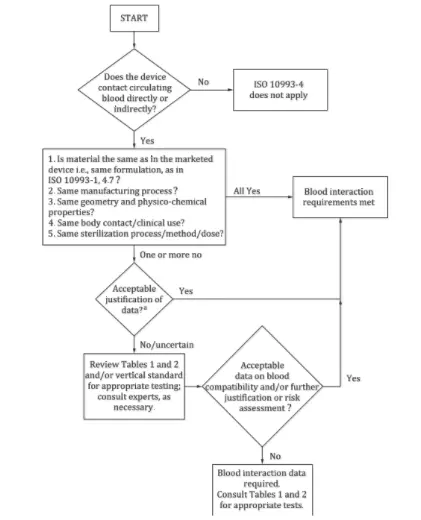
ISO 10993 - 4: Selection of Tests for Interactions with Blood:ISO 10993 - 4:2017 specifies the general requirements for evaluating the interactions between medical devices and blood, covering aspects of blood compatibility such as platelet activation, complement activation, and hematology.
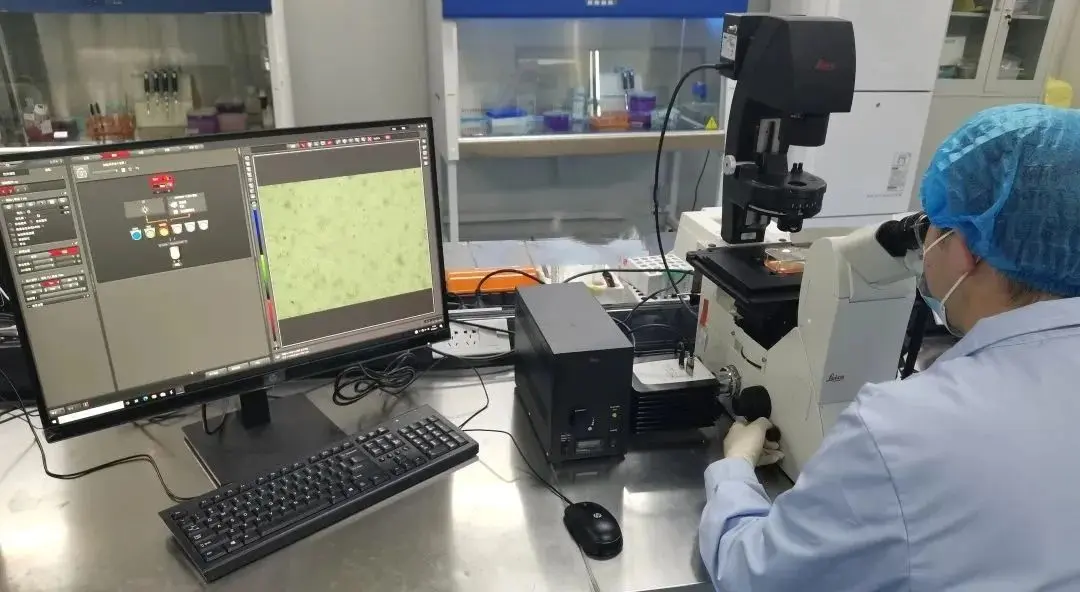
ISO 10993 - 5: cytotoxicity tests - In Vitro Methods:"In vitro" tests do not harm animals and are thus a faster and more sensitive procedure. Qualitative cytotoxicity tests yield a specified cytotoxicity score (0 - 4) based on the percentage of cell death (lysis) and the overall cell structure (morphology). Quantitative tests, on the other hand, measure the metabolic activity of cells, enabling the measurement of viable cells. If the cell viability is less than 70% after treatment with the medical device extract, the device is considered cytotoxic.
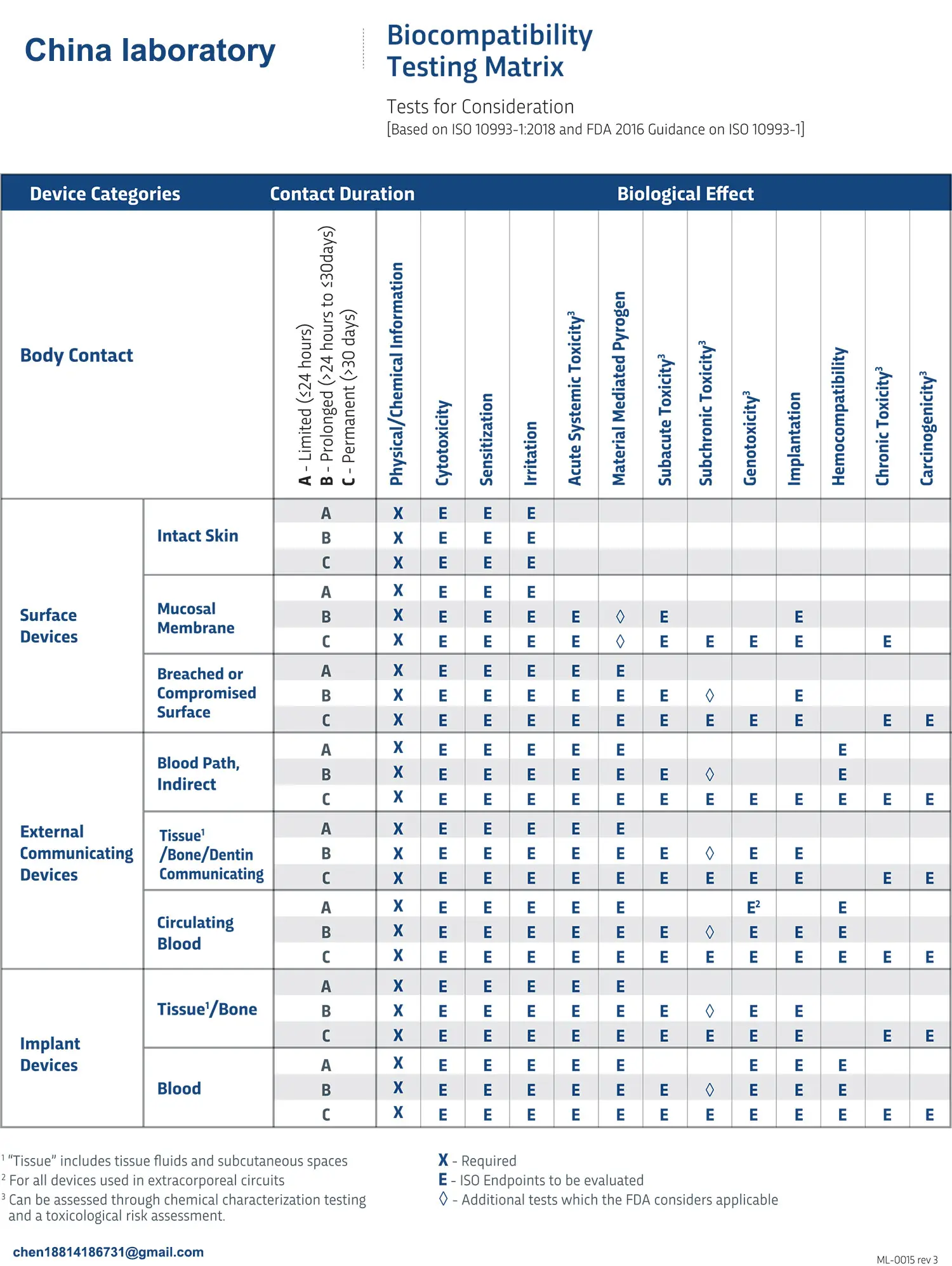
ISO 10993 - 7: Ethylene Oxide Sterilization Residues:ISO 10993 - 7:2008 specifies the allowable limits for residual ethylene oxide (EO) and ethylene chlorohydrin (ECH) in single EO - sterilized medical devices, the measurement procedures for EO and ECH, and the methods for determining compliance, so that medical devices can be released. This involves the detection and thorough extraction of EO/ECH residues.
ISO 10993 - 10: Skin Sensitization Tests:The ISO 10993 - 10 skin sensitization tests evaluate the hazards of chemicals released from contact with medical devices (MDs), which may induce hypersensitivity reactions, such as allergic reactions. There are sensitization tests like GPMT and Buehler.
ISO 10993 - 11: Systemic Toxicity Tests:ISO 10993 - 11:2017 specifies the requirements and procedural guidelines to be followed when evaluating the likelihood of medical device materials causing adverse systemic reactions, including material - mediated pyrogenicity, acute systemic toxicity, sub - acute toxicity, sub - chronic toxicity, and chronic toxicity.
ISO 10993 - 17: Toxicological Risk Assessment of Medical Device Components:ISO 10993 - 17 specifies the processes and requirements for the toxicological risk assessment of medical device components. It also stipulates the methods and standards for evaluating whether exposure to a certain component will not cause significant harm. Toxicological risk assessment can be part of the biological evaluation of the final product, as described in ISO 10993 - 1.
ISO 10993 - 18: Chemical Characterization of Medical Device Materials in the Risk Management Process:ISO 10993 - 18 specifies the framework for the identification and quantification of medical device components, allowing for the identification of biological hazards and the assessment and control of biological risks of material components. Chemical characterization is usually carried out using a step - by - step approach, involving techniques such as headspace GC - MS, GC - MS, LC - MS, LC - MS HRAM, ICP - MS FT - IR direct, FR - IR extraction, exhaustive extraction pre - testing, and UV - VIS.
ISO 10993 - 23: Irritation Tests - In Vitro Methods:Irritation tests conducted in accordance with ISO 10993 - 23 can detect irritants in medical devices. With the introduction of the in vitro reconstructed human epidermis (RhE) skin irritation model, manufacturers can now determine the irritation potential of their devices without conducting animal tests. This test can detect irritants from polar and non - polar extracts of the device, as well as through direct contact with compatible creams, liquids, and gels. This test method determines the viability of RhE cells, and a viability of less than 50% indicates an irritation potential.
Biological Evaluation Report
Based on the information collected in the BEP, a Biological Evaluation Report (BER) can be issued. All the justifications and tests carried out will be described in this report. If the BEP indicates that all materials have sufficient evidence of safety, that the processing of the materials is unlikely to change their safety, that there is no overall risk of contamination, and that the combination of new materials and the product is non - toxic, then the BER will ultimately conclude that no further testing is required.
Summary of Medical Device biocompatibility Testing
The biocompatibility testing of the Chinese JJR Laboratory is a fundamental step to ensure the safe use of medical devices. All medical devices that come into contact with human tissues should undergo biocompatibility testing, especially cytotoxicity assessment. The tests we provide are carried out in accordance with ISO 10993 - 5 to determine the cytotoxic potential. To determine which tests are relevant to your device, we offer a Biological Evaluation Plan (BEP), which will identify the tests required for your medical device and obtain available information about your product. After formulating the BEP, performing the required tests, and obtaining biocompatibility information, the testing laboratory will provide a Biological Evaluation Report (BER) containing a complete justification and results regarding your product.
Email:hello@jjrlab.com
Write your message here and send it to us
 EMC Testing Lab IEC 60601 Medical Electrical Safet
 What are the FCC Testing Requirements for Bluetoot
 Australia RCM Certification for Radio Devices
 RED Cybersecurity EN 18031 Standard
 Compliance Testing for EMC
 What is Amazon Toy Compliance?
 What is Cytotoxicity ISO 10993-5
 What is Hemocompatibility Testing ISO 10993?
Leave us a message
24-hour online customer service at any time to respond, so that you worry!