



Biology Evaluation Report
Any material or device (medical device) intended for use in humans is required to undergo biological evaluation. biocompatibility and physiological functionality are two important evaluation principles. JJR, referring to the International Organization for Standardization (ISO) standard ISO 10993 and the national standard GB/T 16886, provides high-quality and efficient biological evaluation services to customers with its professional testing capabilities and extensive testing experience.
In the series of biological evaluation tests, many items need to be tested, including but not limited to genetic toxicity, mutagenicity, carcinogenicity, cytotoxicity, sensitization, skin irritation, intradermal irritation, pyrogenicity, systemic toxicity, and more. There are numerous reference standards, requiring substantial time for evaluating standards and items. In addition, testing requires the purchase of specific cell lines, strains, reagents, and consumables, which demands significant financial investment. Moreover, biological evaluation tests are complex, requiring high levels of experimental ability and experience from the testing personnel.
Medical Device Biological Evaluation Services
To address the high time costs and human and material resource consumption associated with biological evaluation tests, JJR, referring to iso 10993 and GB/T 16886, leverages its professional testing abilities and extensive testing experience to provide customers with high-quality, efficient medical device biological evaluation services.
Testing Scope:
- Daily and medical protective products
- Instruments
- Equipment
- Devices
- Materials/Medical devices
Testing Items and Methods
1. Genetic Toxicity, Carcinogenicity, and Mutagenicity Tests
- Method: ISO 10993-3 "Biological evaluation of medical devices - Part 3"
2. Interaction with Blood Tests
- Method: ISO 10993-4 "Biological evaluation of medical devices - Part 4"
3. In Vitro cytotoxicity test
- Method: iso 10993-5 "Biological evaluation of medical devices - Part 5"
4. Implantation Local Reaction Test
- Method: iso 10993-6 "Biological evaluation of medical devices - Part 6"
5. Irritation and Skin Sensitization Tests
- Method: iso 10993-10 "Biological evaluation of medical devices - Part 10"
6. Systemic Toxicity Test
- Method: iso 10993-11 "Biological evaluation of medical devices - Part 11"
7. Qualitative and Quantitative Analysis of Polymer Medical Device Degradation Products
- Method: ISO 10993-13 "Biological evaluation of medical devices - Part 13"
8. Qualitative and Quantitative Analysis of Ceramic Degradation Products
- Method: ISO 10993-14 "Biological evaluation of medical devices - Part 14"
Solutions
- Understand the production process and subsequent research and development background of the medical device requiring testing.
- Based on the product characteristics of the medical device, match and present relevant testing requirements from the ISO 10993 international standards or other customer-specified standard methods.
- After providing the customer with a suitable overall testing plan, conduct the testing and issue a biological evaluation report for the medical device.
Our Advantages
- High international recognition, professional quality control: JJR Laboratory is committed to providing comprehensive and complete one-stop biological evaluation services.
- Professional testing capabilities, wide range of services: JJR has a professional testing research team, with all specialized testing personnel receiving at least three training sessions and obtaining operational qualifications. The range of tested sample types is broad, including pharmaceuticals (both finished products and raw materials), medicinal excipients, biological products, and medical devices.
Email:hello@jjrlab.com
Write your message here and send it to us
 What is UL 1642 Compliance Certification?
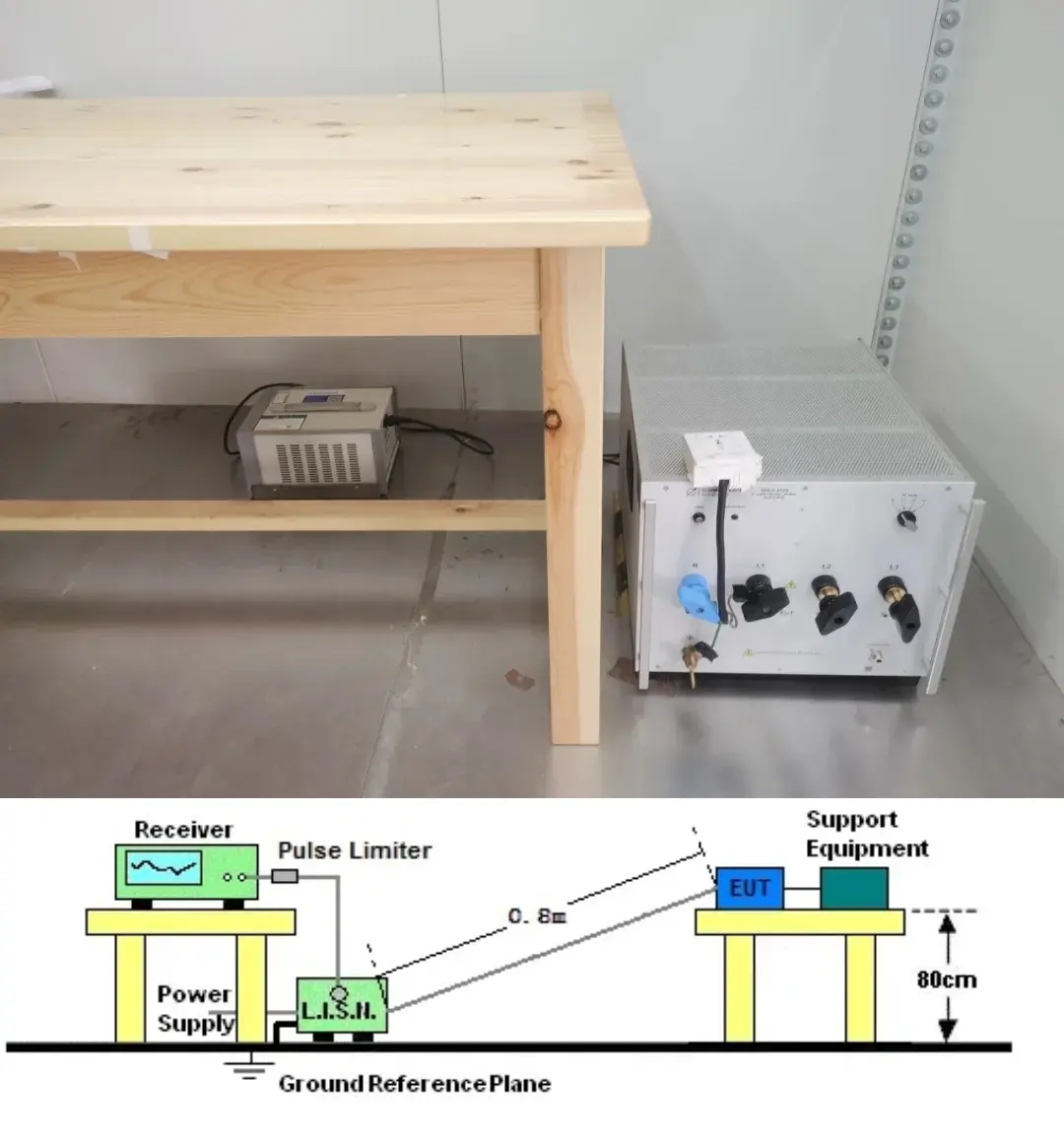 What Is Amazon's UL 60335 Standard
 How to get a UL 60335 Test Report
 What is UL 60335 Certification Compliance?
 What is EN 61000 Certification Compliance?
 How to get an EN 61000 Test Report?
 What is the Amazon EN 55035 Standard?
 What is EN 55035 Certification Compliance?
Leave us a message
24-hour online customer service at any time to respond, so that you worry!