



What is Biocompatibility Cytotoxicity Test
What is In Vitro cytotoxicity test?
biocompatibility cytotoxicity test refers to a category of in vitro experimental methods used to evaluate whether medical devices, biomaterials and other products exert harmful effects on cells. It mainly simulates the contact between materials and cells in the laboratory, observes changes in cell morphology, growth, metabolism and other aspects, so as to predict potential biological risks of materials when used in the human body. It is a mandatory test item for medical devices and biomaterials before clinical application.
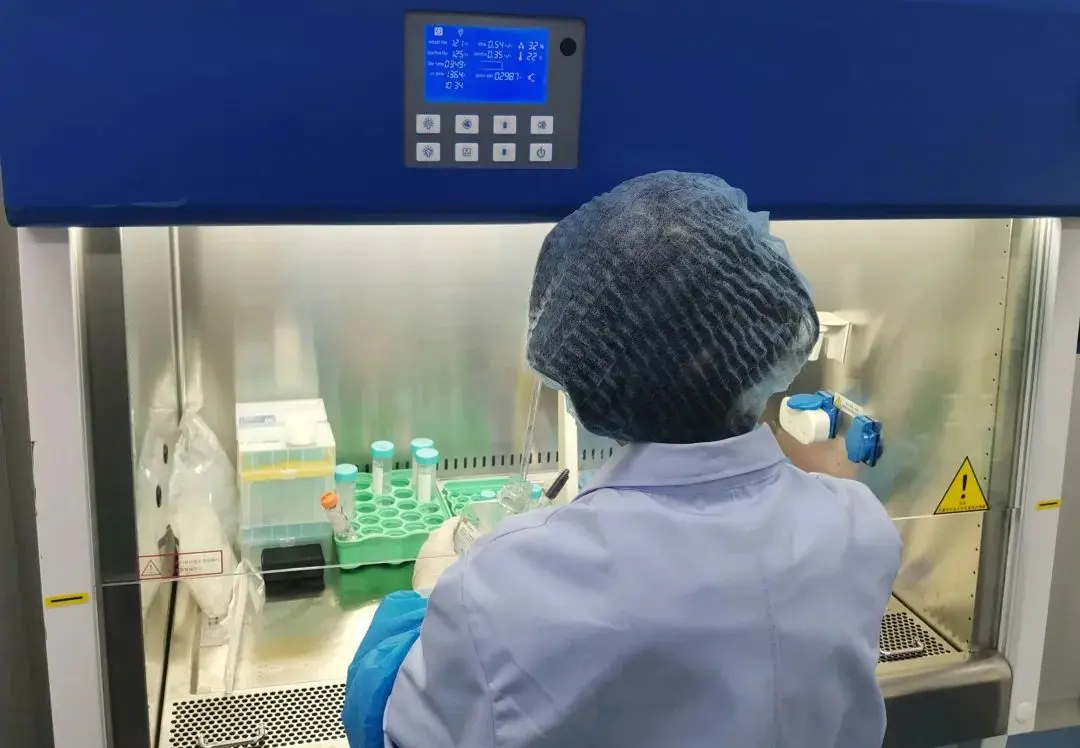
Which Products Require in vitro cytotoxicity test?
All medical devices that come into contact with the human body or are implanted into the body need to undergo cytotoxicity testing. The parts in contact with the human body include:
1. Surface contact: Skin, mucous membranes, damaged surfaces.
2. External communication contact: Tissues/bones/teeth, circulating blood.
3. Internal implantation contact: Tissues/bones, blood.
Purpose and Significance of In Vitro Cytotoxicity Test
Purpose: To evaluate the potential of medical devices and biomaterials to induce cytotoxic reactions, and predict tissue and cell responses when applied to terminal organisms. Through in vitro cell culture technology, it can detect cell growth inhibition, functional changes, cell lysis, death or other toxic reactions after the test article contacts with cells.
Significance: It can quickly, economically and conveniently screen the cytotoxicity of batches of test articles. It provides a prerequisite for determining whether to conduct animal tests, and offers important guarantees for the research, development and application of new medical devices and biomaterials.
Relevant Standards for the Test
iso 10993-5:2009 Biological Evaluation of Medical Devices -- Part 5: Tests for in vitro Cytotoxicity
Selection of Cell Lines and Culture Media
Established cell lines shall be preferred and obtained from approved repositories. Only mycoplasma-free cells can be used in the test, and the presence of mycoplasma in primary cultured cells shall be detected before use. Mouse fibroblasts or human epithelial cells are recommended; other cell lines can also be selected if the reproducibility and accuracy of the test can be verified. When using cryopreserved cells, if cell protectants such as dimethyl sulfoxide (DMSO) or glycerol are present, the protectants shall be removed, and the cells shall be subcultured at least once before use. During subculture, cells shall be detached and resuspended using enzyme dispersion or mechanical dispersion methods suitable for the cell line.
The culture medium shall be sterile. Serum-containing or serum-free media shall meet the growth requirements of the selected cell line. The medium may contain antibiotics that have no adverse effects on the test. The pH value shall be maintained between 7.2 and 7.4, and the storage conditions of the medium shall be verified before storage under such conditions.
Principles of In Vitro Cytotoxicity Test
There are many in vitro cytotoxicity test methods, each with its own characteristics, and it is difficult to achieve complete consistency among different test methods. Therefore, when selecting a test method, it is necessary to follow the principle of "being closest to the actual application scenario", and reasonably select the contact mode between the test article and cells and the biological endpoint evaluation method as much as possible.
Methods of In Vitro Cytotoxicity Test
In vitro cytotoxicity test is universal and applicable to the evaluation of various medical devices and biomaterials. The GB/T 16886.5 standard does not specify a single test method, but a test protocol, which requires judgment in a series of test steps to select the most appropriate test. The tests are mainly divided into three categories: extract test, direct contact test and indirect contact test (including agar diffusion test and filter diffusion test).
Due to the diversity of medical device products and materials, the variability of implantation environments in the body, and the complexity of interactions with the body, different testers may choose different methods for in vitro cytotoxicity evaluation. When multiple test methods are available for an evaluation project, factors such as test principle, sensitivity, selectivity, quantifiability, reproducibility, applicability and limitations of the test materials shall be considered for selection. For example:
① The extract test is suitable for detecting the toxicity of leachable substances.
② The direct contact test has high sensitivity to the cytotoxicity of materials and can detect weak cytotoxicity of materials.
③ The agar diffusion test among indirect contact tests is suitable for screening a large number of highly toxic materials.
④ The filter diffusion test is suitable for evaluating low-molecular-weight toxic materials.
The above methods have their own characteristics due to different principles. The test method shall be correctly selected according to the physical and chemical properties, toxicity intensity and intended use of the test material itself.
Extract Test - MTT Method
The MTT (3-(4,5-dimethylthiazol-2-yl)-2,5-diphenyltetrazolium bromide) method, also known as MTT colorimetric assay, works on the following principle: succinate dehydrogenase in the mitochondria of living cells can reduce exogenous MTT to water-insoluble blue-purple formazan crystals, which deposit in the cells, while dead cells do not have this function. Dimethyl sulfoxide (DMSO) can dissolve the formazan in the cells. The absorbance value is measured at a wavelength of 570 nm using an enzyme-linked immunosorbent assay (ELISA) reader, which can indirectly reflect the number of living cells. Within a certain range of cell numbers, the amount of MTT crystals formed is proportional to the number of cells. This method has the advantages of high sensitivity and cost-effectiveness.
Email:hello@jjrlab.com
Write your message here and send it to us
 RoHS Compliance Testing Services
 Amazon Toy Seller Exporting to Europe Compliance
US Jewelry Compliance Guide
Amazon Toy Seller Exporting to Europe Compliance
US Jewelry Compliance Guide
 FCC Certification Requirements and Costs for Consu
 EMC Testing Lab IEC 60601 Medical Electrical Safet
 What are the FCC Testing Requirements for Bluetoot
 Australia RCM Certification for Radio Devices
 RED Cybersecurity EN 18031 Standard
Leave us a message
24-hour online customer service at any time to respond, so that you worry!