



Electric bicycle CE certification Testing Laboratory
CE certification requirements for light electric vehicles and electric bicycles
en 17128:2020 Light motor vehicles for the transport of persons and goods and associated facilities, not type-approved for road use - Light electric vehicles (PLEV)
EN 15194 Bicycles Electric Assisted Bicycles - EPAC Bicycles
EN 50604-1 for Light Electric Vehicle Batteries
EN 62133-2 for portable or auxiliary system batteries
EN61558-1 EN61558-2-16 Adapter Charger
2014/30 / EU EMC Electromagnetic Compatibility
2011/65 / EU RoHS Toxic and Hazardous Prohibited Substances
2014/53 / EU RED Wireless Communications Directive
2006/42/EC MD Machinery Directive on Product Safety (en60204, ISO12100, ISO13849-1, EN61558-1/2-16, EN1020)
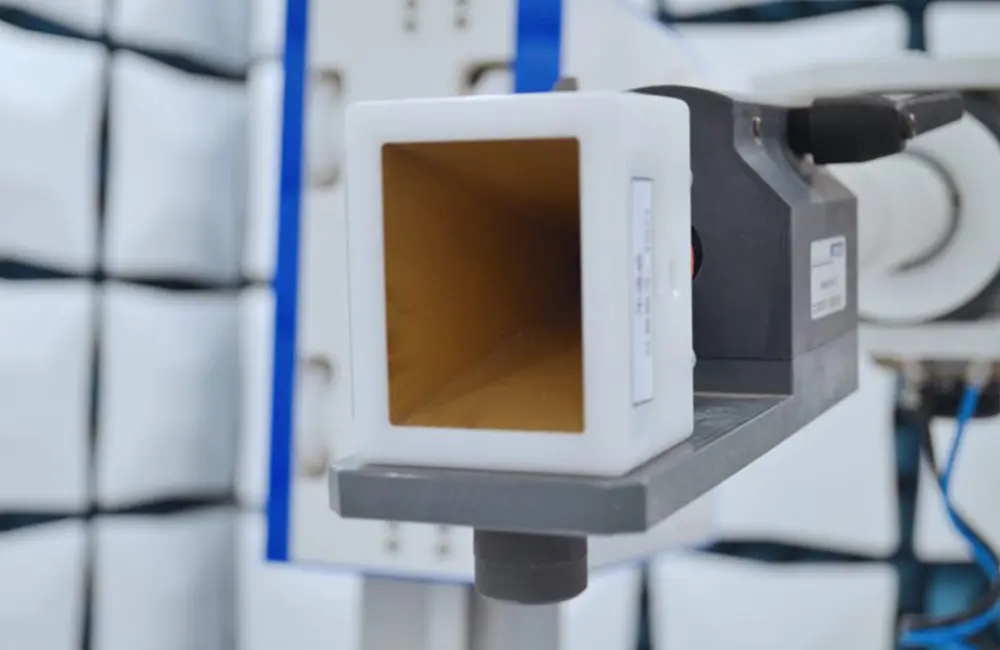
EN17128 Light Electric Vehicles
EN 17128:2020 "Light motor vehicles for the transport of persons and goods and associated facilities, not type-approved for road use - Light electric vehicles (PLEV)" was published on October 21, 2020. The standard was prepared by Technical Committee CEN/TC 354 and is held by the French Standards Association (AFNOR).
EN 17128:2020 applies to personal light electric vehicles with or without a self-balancing system, which are powered wholly or partly by a self-contained power supply with a battery voltage up to 100 VDC, with or without an integrated battery charger with an input of up to 240 VAC.
The standard specifies safety requirements, test methods, marking and information related to personal light electric vehicles to reduce the risk of injury to third parties and users during their intended use (i.e. when used as intended and under conditions of abuse that are reasonably foreseeable to the manufacturer).
EN 17128:2020 standard implementation time:
Key Dates for the New Standard
Effective Start Date (DAV): October 21, 2020
Publication Date (DOP): April 30, 2021
Mandatory Effective Date (DOW): April 30, 2021
EN 17128:2020 does not apply to:
1. Vehicles considered as toys;
2. Vehicles without automatic seat balancing system;
3. Vehicles used for competition;
4. Electrically assisted circulation (EPAC);
5. Vehicles and/or equipment intended for medical use;
6. Electric vehicles with a maximum design speed exceeding 25 Km/h;
7. Vehicles with a rated voltage exceeding 100 VDC or 240 VAC;
8. Vehicles without a driver on board.
Component testing requirements:
Component - Testing Standar
Battery - IEC/EN 62133-1 & IEC/EN 62133-2
Adapter/Charger - EN 60335-2-29 or EN 61558-1 & EN 61558-2-16
Headlight and Taillight - ISO 6742-1
Bell/Alarm Device - ISO 14878
Reflector - ISO 6742-2
Headlight and Taillight - ISO 6742-1
Bell/Alarm Device - ISO 14878
EN 17128:2020 test item outline:
4 Vehicle Types
5 General safety requirements and protective measures
6Electrical components
6.1 General mechanical strength
6.2 Power switch control
6.3 Cables and connections
6.4 Moisture resistance
6.5 Vibration resistance of electrical functions
7. Driver Power Management
7.1 Driver power activation
7.2 Control system power off
7.3 Unexpected or Unauthorized Use of Vehicle
8 Speed Limit
8.1 Pedestrian Mode
8.2 Maximum speed with power assistance
8.3 Reverse Mode
9 Electromagnetic compatibility
9.1 Emission
9.2 Immunity
9.3 Battery Charger
10. Battery Charging
10.3 Safeguards and Supplementary Protection Measures
11In -car energy storage
12 Structural Integrity
12.2 Static load test
12.3 Frontal impact resistance
12.4 Fatigue test (dynamic)
12.5 Procedure
13Edges and protrusions
13.2 Sharp Edges
13.3 Protruding parts
14 Moving Parts
14.1 Clearances between moving parts
14.2 Protection of moving parts
14.3 Folding mechanism
15 Adequate stability (see D.10)
15.1 Footboard/Deck
15.2 Handlebar Adjustment
15.3 Surface
15.4 Braking device
16 Existential Awareness
16.1 Lighting
16.2 Audible warning to alert personnel
17 System failure and fault alarm device
17.2 Sound/Vibration Signals
17.3 Loss of connection to the warning system
18 Hot Surface
19 Product information and marking
EN 15194 Bicycles - Electrically assisted bicycles - EPAC Bicycles
The standard is intended to cover all significant hazards, hazardous conditions and events common to power-assisted bicycles when used as intended and when misused by the manufacturer (see clause 4) except for EPAC bicycles used for rental at unattended stations.
The standard is intended to cover electric-assist bicycles with a maximum continuous power rating of 0.25 kW, whose output is gradually reduced and eventually cut off when the EPAC reaches a speed of 25 km/h, or earlier if the rider stops pedaling.
The standard specifies requirements and test methods for engine power management systems, circuits including charging systems used in the design and assembly of electric-assist bicycles, and system subassemblies rated up to 48 V DC or integrated battery chargers with a nominal 230 V AC input.
This standard specifies safety and safety-related performance requirements for the design, assembly, and testing of EPAC bicycles and components for use on public roads, and establishes guidelines for the use and maintenance instructions of such bicycles.
The standard applies to EPAC bicycles with a maximum seat height of 635 mm or more and used on public roads.
This standard does not apply to EPACs manufactured before the date of its publication as an EN.
EN15194 test project outline:
4 Safety requirements and/or protective measures
4.2 Electrical requirements
4.2.1 Circuit
4.2.2 Controls and symbols
4.2.3 Battery
4.2.4 Battery Charger
4.2.5 Cables and connections
4.2.6 Wiring
4.2.7 Power cables and conduits
4.2.8 External and internal electrical connections
4.2.9 Moisture resistance
4.2.10 Mechanical strength test
4.2.11 Maximum speed with motor assistance
4.2.12 Start auxiliary mode
4.2.13 Power Management
4.2.14 Maximum power measurement - measurement at the engine shaft
4.2.15 Electromagnetic compatibility
4.2.16 Failure Mode
4.2.17 Anti-tampering measures
4.3 Mechanical requirements
4.3.2 Sharp edges
4.3.3 Safety and strength of safety-related fasteners
4.3.4 Protruding parts
4.3.5 Braking
4.3.6 Steering
4.3.7 Framework
4.3.8 Front fork
4.3.9 Wheels and wheel/tire assemblies
4.3.10 Rims, tires and inner tubes
4.3.11 Front fender
4.3.12 Pedals and pedal/crank drive systems
4.3.13 Transmission chains and belts
4.3.14 Sprocket and belt drive protection devices
4.3.15 Seat and seat post
4.3.16 Spoke protection device
4.3.17 Luggage rack
4.3.18 Road testing of a fully assembled EPAC
4.3.19 Lighting systems and reflectors
4.3.20 Alarm device
4.3.21 Thermal hazards
4.3.22 Performance Level (PLrs) of EPAC Control System
4.4 Major Hazard List
5. Marking and labeling
5.2 Durability test
6 Instructions for use
Email:hello@jjrlab.com
Write your message here and send it to us
 ISO 10993 Biocompatibility Standards
 Medical TPV ISO 10993 Biocompatibility Testing
 FDA Requirements for Biocompatibility under ISO 10
 Amazon Spain WEEE Compliance Deadline: September 3
 What is the ASTM F2264 Certification Test?
 What is ASTM F2194 Certification Testing?
 What is the ASTM F2167 Certification Test?
 What is the ASTM F2050 Certification Test?
Leave us a message
24-hour online customer service at any time to respond, so that you worry!