



Medical TPV ISO 10993 Biocompatibility Testing
Medical TPV must pass ISO 10993 biocompatibility testing to enter the medical device market, and the new 2026 standard will reinforce chemical characterization and toxicological risk assessment. Key strategies: Early pre-assessment, formulation optimization, and establishing a material database can reduce biocompatibility failure risks by 27% and save 35% in costs.
With its excellent chemical resistance, elasticity, and processability, Medical Thermoplastic Vulcanizate (TPV) is increasingly being applied in the medical device sector. However, passing the iso 10993 biocompatibility testing is an unavoidable hurdle to enter this high-barrier market. By combining the latest standard trends and industry practices, this article breaks down the key compliance points and practical paths for medical TPV in 2026.
Why ISO 10993 for Medical TPV?
The ISO 10993 series of standards is the international benchmark for the biological evaluation of medical devices, and it serves as the core reference for registration reviews by national drug regulatory agencies (such as NMPA and FDA). For TPV materials, components such as vulcanizing systems, plasticizers, and stabilizers in their formulations may pose potential toxicity or irritation risks.
Key Data: According to statistics, among medical device registration failure cases, those caused by substandard biocompatibility account for approximately 27%. Within this, unqualified cytotoxicity testing takes up the highest proportion, reaching 43%.
Practical Advice: Introduce biocompatibility pre-assessment in the early stages of material development. Screen base resins and additive systems that meet the requirements to avoid the high costs and cycle delays caused by late-stage rectifications.
Key Points of the 2026 Edition Standards
ISO 10993-1:2018 "Biological evaluation of medical devices — Part 1: Evaluation and testing within a risk management process" is the guiding document, which will undergo significant revisions in 2026.
Core Changes Prediction:
Practical Advice: Pay close attention to the dynamics of the ISO/TC 194 technical committee and proactively incorporate chemical characterization capabilities (such as establishing a material composition spectrum library) into your enterprise's R&D system.
Medical TPV Biocompatibility Testing
1. Cytotoxicity Testing (iso 10993-5)
This is the most common and highly sensitive test. Residual vulcanizing agents and cross-linking by-products in TPV are the main risk sources. Evaluated using the MTT assay, it requires a cell viability rate of no less than 70%.
Case Reference: A medical TPV catheter supplier experienced a project delay of 3 months because their cell viability rate in the cytotoxicity test was only 62% due to an improper selection of the vulcanizing system. After switching to a peroxide vulcanizing system and adding a post-treatment process, the viability rate increased to 92%.
Practical Advice: Work with raw material suppliers to confirm the residual level of vulcanizing agents, and add vacuum devolatilization or solvent extraction processes if necessary.
2. Sensitization and Irritation Testing (iso 10993-10, iso 10993-23)
Short-term contact between TPV and skin or mucous membranes requires an evaluation of potential sensitization. Focus on whether the system contains low molecular weight substances (such as unreacted monomers or degradation products).
Key Data: According to EU non-clinical research data from 2021-2024, about 5.8% of medical polymer material sensitization tests showed positive reactions, most of which were related to plasticizer migration.
Practical Advice: Prioritize the use of high molecular weight plasticizers or non-migratory plasticizers, and conduct sufficient extraction testing on finished products to simulate actual clinical use durations.
3. Systemic Toxicity Testing (Acute, Subacute, Chronic)
For implants or long-term contact medical devices, it is necessary to evaluate the systemic toxicity of material degradation products and extracts. The long-term in vivo stability of TPV is crucial.
Case Reference: For TPV materials used in implantable drug delivery devices, a 90-day subchronic toxicity test is required after 12 weeks of soaking in a 37°C phosphate buffer. One enterprise successfully passed the test by optimizing the ratio of the PP phase to the EPDM phase in the TPV (e.g., adjusting it to 45:55) to reduce the precipitation of low molecular weight substances.
Practical Advice: Design accelerated aging tests (e.g., 70°C, 75% relative humidity) combined with in vitro degradation tests to predict long-term usage safety.
4. Chemical Characterization (ISO 10993-18)
Chemical characterization is a core reinforcement direction of the 2026 standard. Its underlying logic is: if the material composition is known and the toxicological risk of each component is acceptable (via TTC or specific limits), partial animal testing can be exempted.
Practical Advice: Establish a TPV formulation database:
Identify the CAS number, content, and function of each additive.
Perform GC-MS/LC-MS/MS analysis for unknown substances.
Utilize the Threshold of Toxicological Concern (TTC) for risk assessment.
Key Data: An EU EUR-Lex report from 2023 shows that the application of chemical characterization methods has reduced the average cost of medical device biocompatibility evaluation by approximately 35% and shortened the time by 40%.
Special Considerations for High-Risk Medical TPV Scenarios
1. Long-Term Implantation Scenarios (>30 days)
Requires evaluation of chronic toxicity, genotoxicity, and carcinogenicity.
Residual processing aids (such as antioxidants) in TPV must meet a lower Tolerable Daily Intake (TDI).
2. Blood Contact Scenarios
Requires additional testing for coagulation, hemolysis, and complement activation.
Hydrophilic modification of the TPV surface (such as plasma treatment) can reduce the risk of thrombosis.
3. Central Nervous System Contact Scenarios
Extremely stringent; requires the provision of sufficient neurotoxicity data.
It is recommended to choose the highest purity grade of TPV raw materials.
Practical Advice: How to Achieve Efficient Compliance?
Establish Material Profiles: Managing from the source of raw materials and establishing a complete chemical composition spectrum library is the foundation of chemical characterization. When selecting cooperative suppliers, prioritize whether their technical team can provide customized selection and full-process support.
Pre-testing: Before formally submitting for inspection, select a third-party laboratory with CMA/CNAS qualifications to conduct pre-testing to identify risk points.
Same-Batch Validation: Biocompatibility test samples and final products should come from the same production batch to ensure process stability.
Monitor Regulatory Trends: Subscribe to ISO/TC 194 communications and EU MDCG guideline updates to adjust your testing plans in a timely manner.
Integrate Risk Management: Incorporate biocompatibility data into the ISO 14971 risk analysis report to form a complete chain of evidence.
Viewpoint
As chemical characterization methods mature, the verification of medical TPV will become more precise and efficient in the future. Enterprises should establish a correlation model of "Chemical Composition - Toxicological Risk - Clinical Safety" as early as possible. This not only helps clear regulatory reviews more quickly but also provides a solid scientific basis for product innovation.
Conclusion
Complying with the 2026 medical TPV biocompatibility standards is a comprehensive test of an enterprise's grasp of materials science, toxicology, and regulatory guidelines. From standard interpretation to specific test execution, and from formulation optimization to full-process management, every step requires professionalism and rigor. Only by internalizing safety and compliance into the DNA of product design can a company navigate and succeed steadily in this high-barrier market.
Email:hello@jjrlab.com
Write your message here and send it to us
 ISO 10993 Biocompatibility Standards
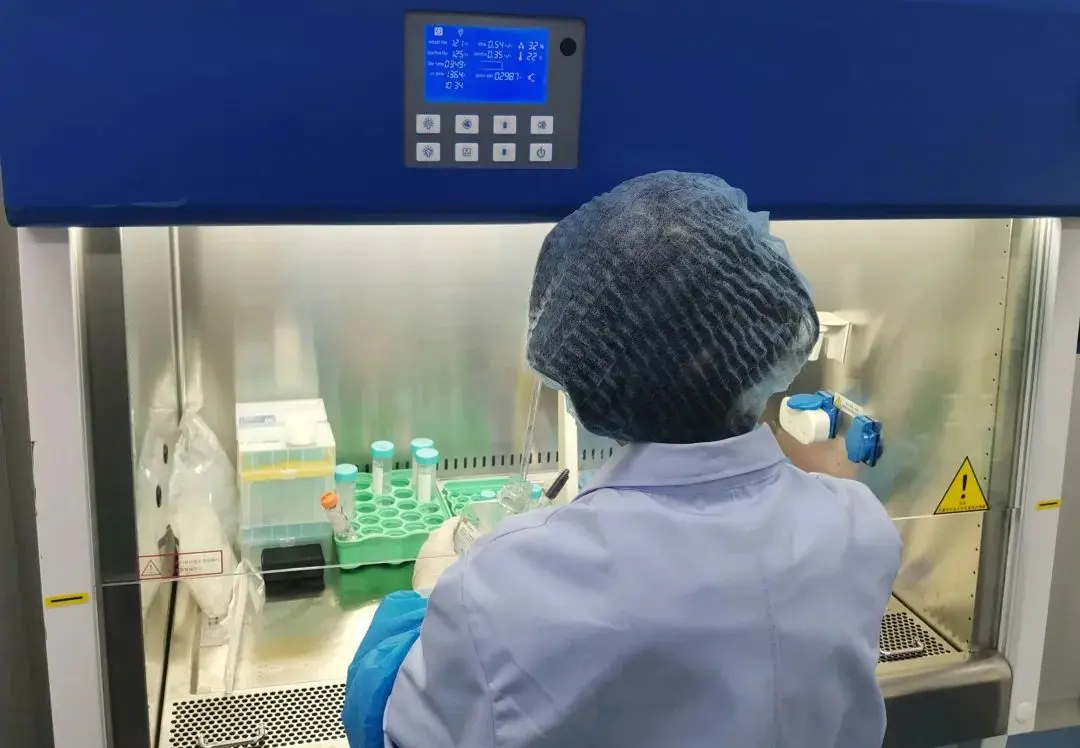 Medical TPV ISO 10993 Biocompatibility Testing
 FDA Requirements for Biocompatibility under ISO 10
 Amazon Spain WEEE Compliance Deadline: September 3
 What is the ASTM F2264 Certification Test?
 What is ASTM F2194 Certification Testing?
 What is the ASTM F2167 Certification Test?
 What is the ASTM F2050 Certification Test?
Leave us a message
24-hour online customer service at any time to respond, so that you worry!