



ISO 10993 Biocompatibility Standards
During the transition of medical devices from the laboratory to clinical use, ensuring they are safe and harmless to the human body is an absolute prerequisite. In this process, the ISO 10993 biocompatibility testing series of standards plays a crucial role. It serves as the internationally recognized guideline for evaluating the biological safety of medical devices and represents the first safety defense line that products must cross before entering the market.
What is biocompatibility?
Biocompatibility refers to the expected or unexpected reactions caused by medical devices when they come into contact with human tissues, blood, or body fluids. A device with good biocompatibility should not cause harmful local or systemic reactions to the human body, such as toxicity, irritation, allergy, carcinogenesis, or teratogenesis.
Simply put, any device that directly or indirectly contacts the human body—whether it is a briefly used injection needle or a long-term implanted cardiac stent—must pass strict biocompatibility testing to prove that its material is "friendly" and "harmless." This is precisely the core value of the iso 10993 standards.
ISO 10993 Standards
ISO 10993 is not a single standard but a comprehensive series covering the entire process from risk assessment to specific test methods. Among them, the core is ISO 10993-1:2018, which establishes the principles and processes for biocompatibility evaluation based on risk management.
The entire ISO 10993 series of standards primarily addresses the following key questions:
Is testing needed? Risk determination is based on the nature of the device's contact with the human body (surface, in vivo, implantation) and the duration of contact (short-term, long-term, permanent).
Which items need to be tested? The standard details the endpoints that require evaluation, such as cytotoxicity, sensitization, irritation, and systemic toxicity.
How do we test? Other parts of the series (such as -5, -10, -11, etc.) provide standardized operating guidelines for specific test methods.
Core Test Items
According to the guidance of ISO 10993-1, a complete biocompatibility evaluation typically includes the following key test items:
cytotoxicity test (iso 10993-5): Detects the toxic effects of the device or its extracts on cells; this is the most basic and sensitive screening test.
Skin sensitization test (iso 10993-10): Evaluates whether the device material may cause allergic reactions in the body.
Irritation and intracutaneous reactivity test (ISO 10993-10): Used to evaluate the non-specific irritating effects of the device on tissues such as skin and mucous membranes.
Systemic toxicity test (ISO 10993-11): Evaluates the harmful effects of the device extracts on the overall bodily system after a single or multiple exposures.
Genotoxicity test (ISO 10993-3): Detects whether the material causes gene mutations or chromosomal damage, which is a crucial part of evaluating carcinogenic potential.
Local effects after implantation test (iso 10993-6): By implanting the material into specific animal tissues and observing the resulting local tissue reactions, this test is key to evaluating the safety of long-term contact devices.
Trends in Biocompatibility Testing
It is worth noting that modern biocompatibility evaluation concepts have shifted. The latest ISO 10993-1 standard emphasizes that this is not a simple "checklist of tests," but rather a scientific evaluation process based on risk management.
This means that manufacturers should not mechanically perform all tests, but should instead:
Perform material characterization: Fully understand the chemical composition of the device material.
Identify known risks: Utilize existing scientific literature and historical data.
Conduct a gap analysis: Determine which risks need to be addressed through biological testing to fill in data gaps.
This strategic approach not only ensures safety more scientifically but also improves R&D efficiency and avoids unnecessary animal testing.
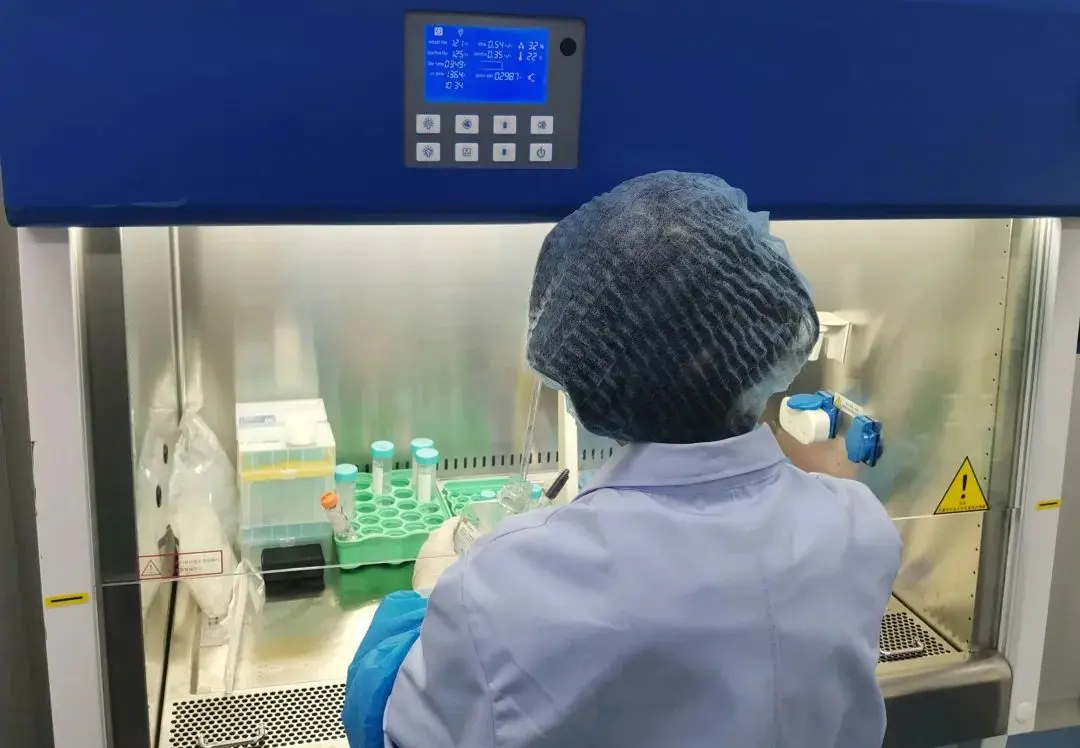
JJR Lab deeply understands the core position of the ISO 10993 series of standards in the global registration of medical devices. Our biological laboratory strictly follows the FDA GLP system as well as China's CNAS and CMA requirements. We can provide comprehensive services ranging from biocompatibility testing program design and full-suite testing (cytotoxicity, sensitization, irritation, systemic toxicity, genotoxicity, implantation, etc.) to ultimately issuing complete evaluation reports recognized by the NMPA, US FDA, and EU CE issuing agencies.
Email:hello@jjrlab.com
Write your message here and send it to us
 ISO 10993 Biocompatibility Standards
 Medical TPV ISO 10993 Biocompatibility Testing
 FDA Requirements for Biocompatibility under ISO 10
 Amazon Spain WEEE Compliance Deadline: September 3
 What is the ASTM F2264 Certification Test?
 What is ASTM F2194 Certification Testing?
 What is the ASTM F2167 Certification Test?
 What is the ASTM F2050 Certification Test?
Leave us a message
24-hour online customer service at any time to respond, so that you worry!