



Electrical Equipment UL Safety Testing Standards
In the United States, UL certification (Underwriters Laboratories) is an important standard for the safety testing and certification of electrical equipment. UL is an independent global safety science company dedicated to assessing product safety, especially in the field of electrical and electronic devices. Below are some common UL safety testing standards related to electrical equipment:

1. UL 60730 – Household and Similar Electrical Control Devices
- Scope: Control systems for household appliances such as water heaters, washing machines, dryers, etc.
- Testing Content: Includes electrical safety, functional reliability, mechanical strength, and fire resistance of the control devices.
2. ul 508a – Industrial Control Panels
- Scope: Design and manufacturing of industrial control panels, such as automation control systems and switch power supplies.
- Testing Content: Checks the electrical and mechanical performance of equipment, particularly the wiring, electrical connections, and components within the panel.
3. UL 844 – Explosion-Proof Electrical Equipment
- Scope: Electrical equipment for hazardous environments, such as devices used in the oil and gas industry.
- Testing Content: Tests whether the equipment can safely operate in flammable or explosive gas or vapor environments to prevent fires or explosions.
4. UL 2367 – Battery Systems
- Scope: High-power battery systems, commonly used in electric tools, electric vehicles, and energy storage systems.
- Testing Content: Includes safety performance testing for overheating, short circuits, overcurrent, overcharging, and deep discharge.
5. UL 497 – Surge Protection for Electrical Equipment
- Scope: Surge protectors, lightning arresters, and other equipment for electrical devices.
- Testing Content: Tests whether the equipment can effectively protect systems from overvoltage damage, such as lightning strikes or grid fluctuations.
6. ul 62368-1 – Audio/Video and Information Technology Equipment
- Scope: Audio, video, and information technology equipment, such as computers, printers, routers, etc.
- Testing Content: Ensures these devices meet standards for electrical safety, fire hazards, and child contact risks.
7. UL 1449 – Surge Protective Devices
- Scope: Surge protection devices commonly used to protect household appliances and power systems from grid fluctuations.
- Testing Content: Checks whether the device can protect equipment during high-voltage surges.
8. ul 1598 – Outdoor and Indoor Lighting Fixtures
- Scope: Lighting equipment for residential and commercial environments.
- Testing Content: Tests whether lighting fixtures meet electrical safety standards to prevent electrical fires and hazards.
9. ul 94 – Plastic Materials Flammability Testing
- Scope: Use of plastics in electrical equipment, particularly in casings and insulation materials.
- Testing Content: Tests the burning rate, extinguishing time, and flame spread characteristics of plastics to ensure safety in fire situations.
10. ul 1642 – Lithium Batteries
- Scope: Lithium batteries used in portable electronic devices.
- Testing Content: Includes overcharging, deep discharge, short-circuiting, temperature limits, and other safety tests to ensure the safety of the battery during use.
Common Contents of UL Certification Tests:
- Electrical Insulation: Tests the insulation system of devices to ensure they do not cause electric shock due to electrical faults.
- Short Circuit and Overload: Checks whether the device will safely disconnect power under overload conditions to prevent fires.
- High-Temperature Testing: Tests the temperature rise of equipment under normal operation or fault conditions to ensure it does not overheat or cause fires.
- Durability Testing: Evaluates the mechanical strength, vibration, shock resistance, and environmental durability of the equipment.
- Electromagnetic Compatibility (EMC): Tests whether the equipment causes electromagnetic interference to surrounding devices or can resist external electromagnetic interference.
- Water and Dust Protection: Conducts water (IP rating) and dust tests to ensure the device operates safely in damp or dusty environments.
ul certification process:
1. Initial Assessment: Determine if the product meets the relevant UL standards.
2. Sample Testing: Conduct necessary laboratory tests to verify the product's compliance with safety requirements.
3. Factory Audits: Review the manufacturer's production process to ensure compliance with UL requirements.
4. Certification and Marking: If the product passes all tests and audits, UL issues the certification and allows the product to display the UL mark.
UL certification is an essential symbol of safety for electrical equipment. Electrical devices with UL certification provide higher safety assurances for consumers and are recognized in the market.
Email:hello@jjrlab.com
Write your message here and send it to us
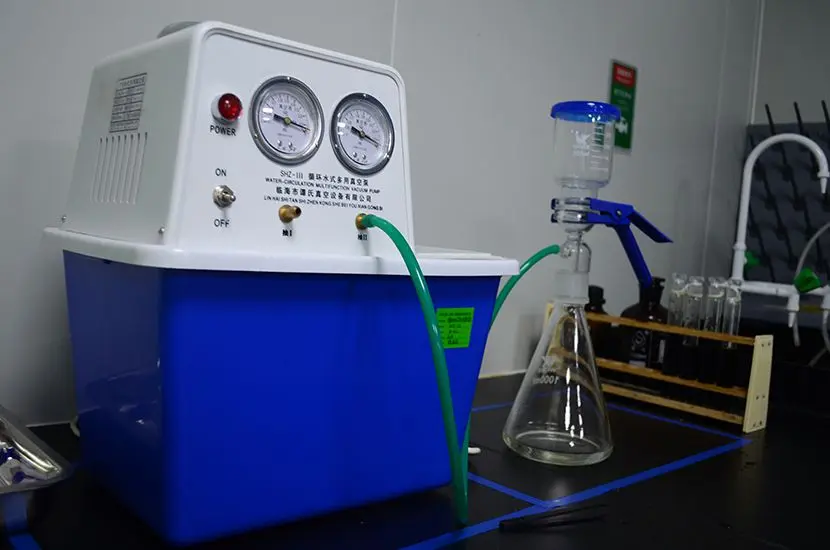 California 65 Testing Service Consultation
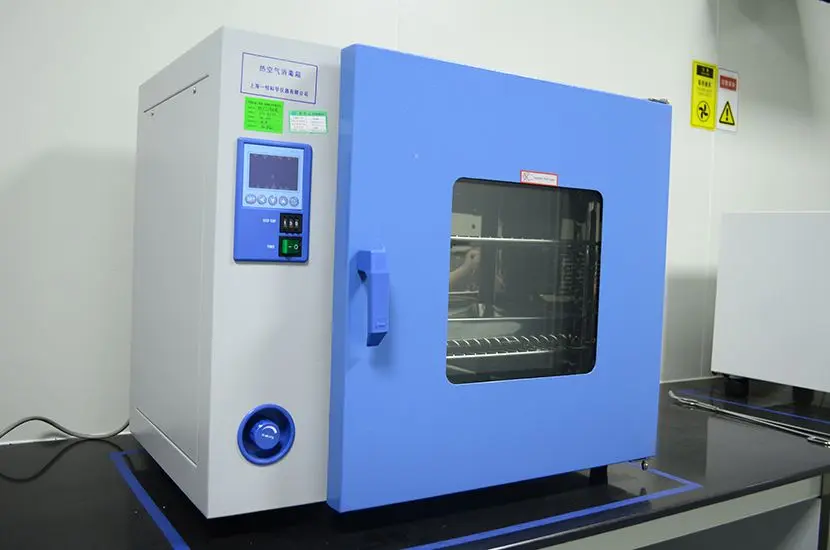 REACH Chemical Testing Services
 Electronic Vaporizers EU TPD / US PMTA / UK MHRA
 ISO 10993 Biocompatibility Standards
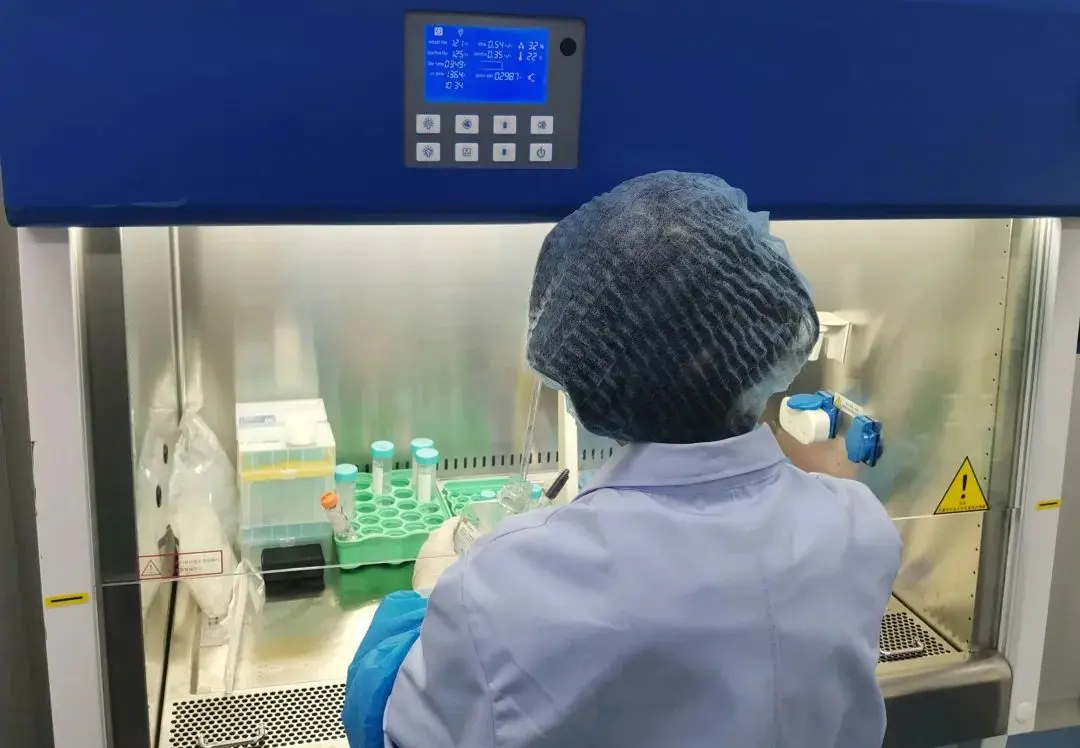 Medical TPV ISO 10993 Biocompatibility Testing
 FDA Requirements for Biocompatibility under ISO 10
 Amazon Spain WEEE Compliance Deadline: September 3
 What is the ASTM F2264 Certification Test?
Leave us a message
24-hour online customer service at any time to respond, so that you worry!