



Electronic Recycling Certification
Many countries have electronic recycling certifications. Today, we will focus on the largest market in the world, the European Union (EU), and its electronic recycling certification, WEEE. Below is a detailed introduction.
What is weee certification?
WEEE: Waste Electrical and Electronic Equipment, is the EU directive for the recycling of discarded electrical and electronic equipment. To manage the vast amount of e-waste and recover valuable resources, the EU passed two significant directives in 2002: WEEE (EU Recycling Directive) and RoHS (EU Environmental Directive).
In 2016, the German environmental authority introduced laws for e-commerce, requiring Amazon to notify foreign sellers on its platform to register their electronic devices for recycling. Before obtaining a WEEE code, Amazon must instruct sellers to stop sales.
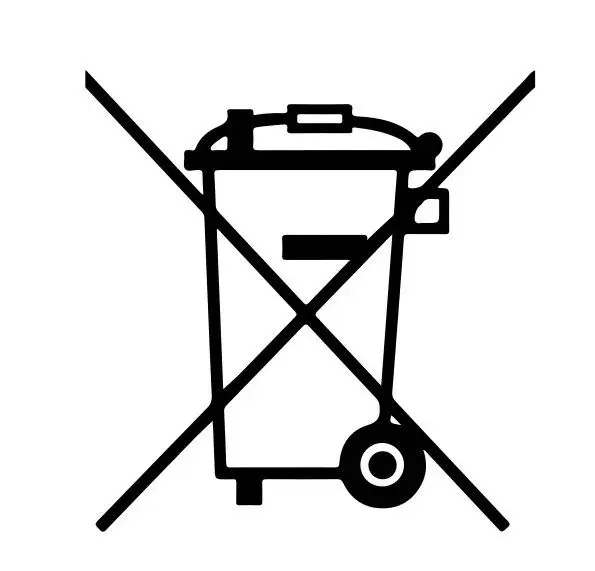
Which Products Require WEEE Certification?
Taking the German market as an example, weee registration mainly applies to one category of products. According to official data, the weee directive applies to 10 categories of electronic products:
- Large household appliances
- Small household appliances
- IT and telecommunications equipment
- Consumer electronics
- Lighting equipment
- Electronic tools (excluding large fixed industrial tools)
- Toys, leisure, and sports equipment
- Medical devices
- Monitoring and control instruments
- Vending machines
Which Countries Require WEEE Certification?
Germany, the UK, France, Italy, Spain, Sweden, the Netherlands, Denmark, Portugal, Poland, Belgium, Finland, Luxembourg, Austria, Ireland, etc.
What Must Be Done for WEEE?
Amazon enforces a policy requiring cross-border e-commerce companies to register for WEEE certification. Without the WEEE registration code, products will be forcibly removed from Amazon's platform. Among all European countries, Germany has the strictest environmental requirements, so WEEE certification is mandatory for selling in Germany!
Consequences of Not Registering for WEEE:
Failure to register for WEEE can lead to Amazon removing product listings. In severe cases, competitors can target a seller with well-performing products. If the product does not have the "waste bin with a diagonal line" symbol or is not registered for recycling in Germany, competitors may hire German lawyers to send a letter to Amazon, requesting the suspension of sales and initiating court proceedings for the destruction of the seller's products.
The seller will not only lose all inventory but will also be responsible for legal fees and destruction costs. This could lead to the company being effectively expelled from the German market (this has happened to several small sellers who faced significant losses).
What is the Purpose of the German WEEE Certification?
It ensures the recycling and proper disposal of electronic waste by end-users, aiming to reduce environmental harm and prevent e-waste dumping in developing countries.
Which Products Need to Be Recycled?
Products that work on electrical energy.
Which Electrical Appliances Require WEEE Registration? How Are They Classified?
Categories include:
- Category 1: Heat exchangers (any size) that use substances other than water (e.g., gas, oil, refrigerants) for cooling, heating, or dehumidifying.
- Category 2: Displays (any size) used for displaying images and information on electronic screens.
- Category 3: Lamps (any size) used for producing lighting.
- Category 4: Large electronic and electrical appliances, with at least one dimension larger than 50 cm, but not covered under categories 1-3.
- Category 5: Small electronic and electrical appliances, with a maximum external dimension less than or equal to 50 cm but not covered by categories 1-4 or 6.
- Category 6: Small IT and telecommunications equipment for processing, transmitting, or storing information or telecommunication signals, with external dimensions less than or equal to 50 cm.
How Does EAR (The Authority Responsible for WEEE) Regulate?
EAR enforces compliance by investigating violations through the German Environmental Protection Agency or competitor complaints. Potential outcomes include:
- Fines up to €100,000
- Confiscation of all existing profits in Germany
- Direct sales ban
- Hiring lawyers to initiate court proceedings
What Are the Obligations of Chinese Manufacturers?
1. Registration:
- Step 1: The foreign company must designate a local German company as their agent (takes 4-8 weeks).
- Step 2: Register and apply for a recycling number (takes 4-6 weeks), submit product brands and categories, and forecast the tonnage.
2. Bankruptcy Exit Guarantee: Every year, a bankruptcy exit guarantee must be submitted, ensuring that a designated company will handle the recycling of sold electronic waste if the company goes bankrupt or exits the EU market (must be insured).
3. Monthly and Annual Reports: Monthly reports must be submitted for the total weight of sales, and an annual report must be submitted with the previous year’s sales data.
4. Recycling of Waste Products: If EAR issues a notification, the company must transport waste containers to designated recycling stations (must be handled by a certified recycling company).
WEEE Registration Process for Chinese JJR Lab:
Step 1: The client fills out the registration application form and submits relevant materials to JJR Lab.
Step 2: JJR Lab reviews the documents and issues a contract to the client.
Step 3: The client signs the contract and returns it to JJR Lab.
Step 4: JJR Lab issues the invoice to the client.
Step 5: The client makes payment according to the invoice.
Step 6: JJR Lab submits the application to the EAR certification authority for WEEE registration.
Step 7: EAR certifies the authorization of JJR Lab to the client.
Step 8: The WEEE registration certificate is issued and entered into the German electronic recycling query system, completing the registration process.
Email:hello@jjrlab.com
Write your message here and send it to us
 EU PPWR New Packaging Compliance
 How to Obtain an MSDS/SDS Report
 CPSIA Testing Service Consulting
 Food Contact Materials Testing Services
 California 65 Testing Service Consultation
 REACH Chemical Testing Services
 Electronic Vaporizers EU TPD / US PMTA / UK MHRA
 ISO 10993 Biocompatibility Standards
Leave us a message
24-hour online customer service at any time to respond, so that you worry!