



Element EMC Testing
Not all electronic components require emc testing. Typically, integrated circuits, transistors, power management chips, communication chips, RF components, filters, transformers, sensors, crystal oscillators, ESD protection devices, and power modules, due to their functional characteristics or application scenarios (such as in high-demand fields like medical, automotive, and communications), need to have their immunity and electromagnetic emissions verified to ensure compliance with standards and guarantee the overall electromagnetic compatibility (EMC) of the system.
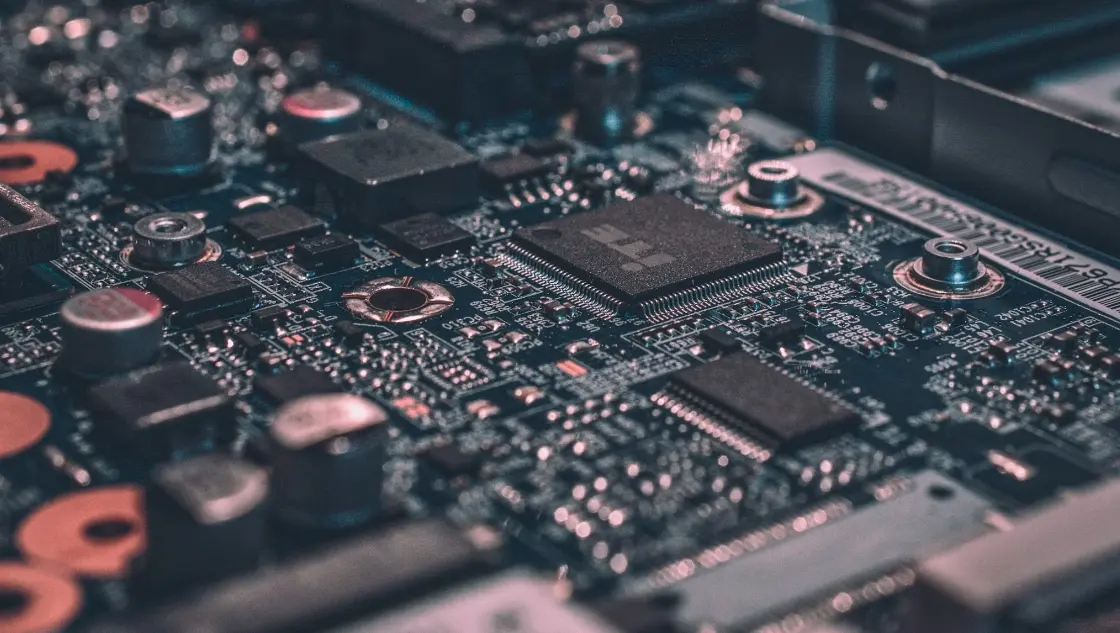
Which electronic components require emc testing?
Capacitors, resistors, inductors, transistors, integrated circuits, modules, transformers, power adapters, chargers, switching power supplies, filters, rectifier diodes, MOSFET field-effect transistors, Zener diodes, MOV varistors, PPTC resettable fuses, TVS transient voltage suppression diodes, PESD electrostatic protection devices, ESD protection components, TSS semiconductor discharge tubes, GDT ceramic gas discharge tubes, RS485/RS422 communication chips, RS232 communication chips, CAN communication chips, and LDO linear regulators.
EMC stands for Electromagnetic Compatibility Testing.
The core purpose is to verify whether an electronic device or system can operate normally in a complex electromagnetic environment without causing unacceptable interference to other devices. In short, EMC testing ensures that the device has both immunity (EMS) and interference suppression (EMI) capabilities.
EMI – electromagnetic interference testing
- Conducted Emissions: Tests interference transmitted through power or signal lines.
- Radiated Emissions: Assesses the electromagnetic waves emitted into the environment by the device.
EMS – Electromagnetic Susceptibility Testing
- Electrostatic Discharge (ESD) Immunity: Simulates discharge from operators or objects when contacting the device, or discharge between nearby objects.
- Radiated Immunity: Tests the device's resistance to electromagnetic interference present in the environment.
- Electrical Fast Transient/Burst (EFT) Immunity: Simulates switching of inductive loads (like relays, contactors) and high-voltage switching operations (like vacuum switches or SF6 breakers).
- Pulse waveform: 5ns/50ns (5ns rise time, 50ns half-width)
- Pulse burst duration: 15ms
- Burst repetition period: 300ms
Features: Fast rise time, short duration, low energy but high repetition rate.
- Surge Immunity: Simulates power grid faults, lightning strikes (direct or indirect), and switching operations.
- Pulse waveform: Open-circuit voltage 1.2μs/50μs, Short-circuit current 8μs/20μs
Features: Slower rise time (compared to EFT/B), longer duration, higher energy.
- Conducted Immunity: Tests the device's sensitivity to electromagnetic energy conducted along power, control, or signal lines.
- Power Frequency Magnetic Field Immunity: Verifies the device's resistance to magnetic fields at power frequencies.
- Voltage Dips and Short Interruptions Immunity: Simulates short-term voltage dips and interruptions caused by faults (such as short circuits or ground faults) in low, medium, or high-voltage networks, or voltage fluctuations due to load variations.
- Harmonic Current Emissions: Checks whether the device's harmonic currents at power frequencies meet the required standards during operation.
- Voltage Fluctuations and Flicker:
Measures the variation in the power supply voltage caused by the device.
The impact of such variations depends not only on the magnitude but also on the frequency of occurrence. Two indicators are used:
- Voltage Fluctuation: Reflects the extent of sudden, significant voltage changes.
- Flicker: Reflects continuous voltage variation over a period.
Performance Criteria
Testing includes:
- RE (Radiated Emissions)
- CE (Conducted Emissions)
- ESD (Electrostatic Discharge Immunity)
- RS (Radiated Immunity)
- EFT (Electrical Fast Transient/Burst Immunity)
- Surge (Surge Immunity)
- CS (Conducted Immunity)
- PMS (Power Frequency Magnetic Field Immunity)
- DIPS (Voltage Dips and Short Interruptions)
- Flicker (Voltage Fluctuations and Flicker)
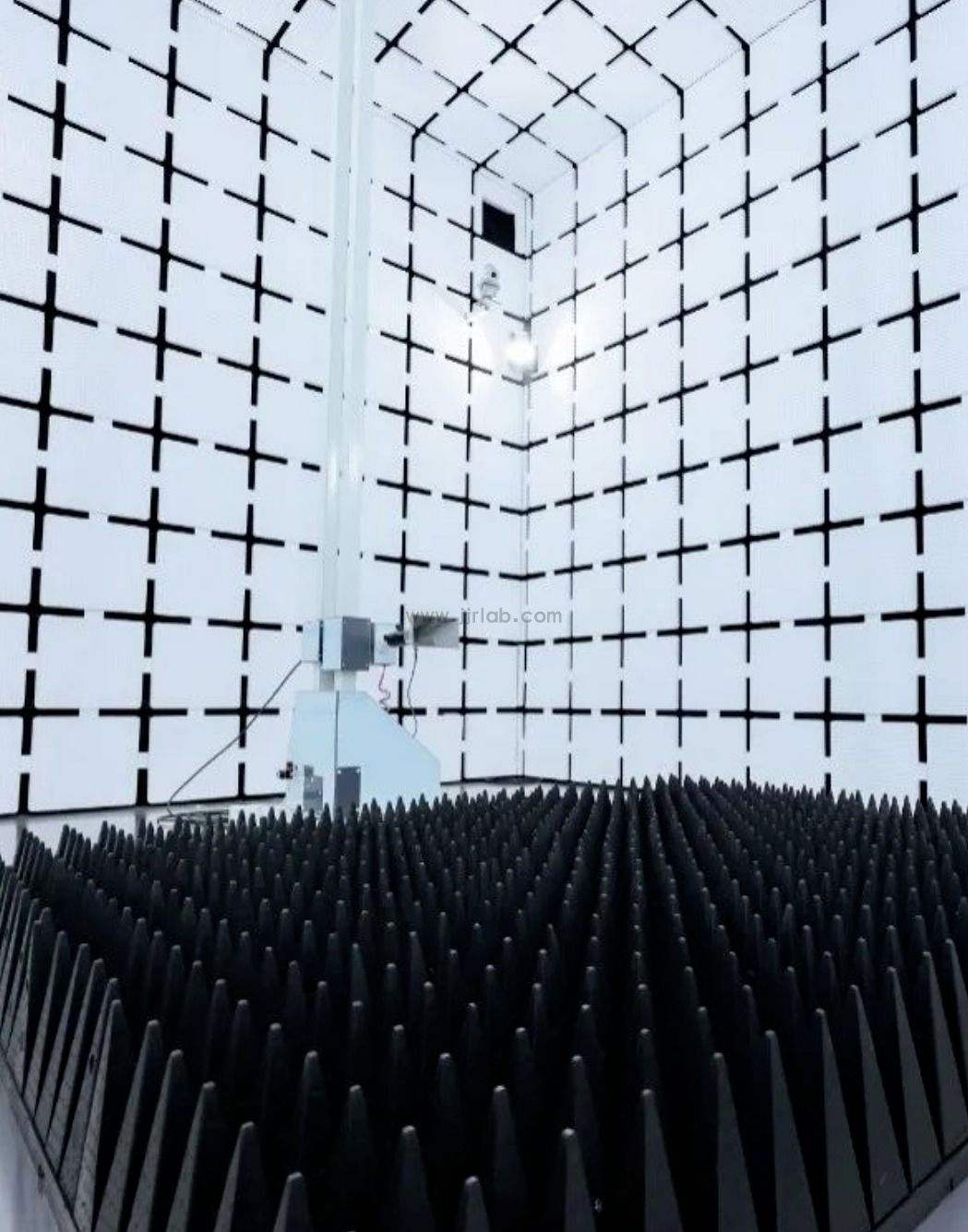
The laboratory is equipped with 3-meter and 10-meter anechoic chambers and supports on-site testing services.
Email:hello@jjrlab.com
Write your message here and send it to us
 EMC Testing Lab IEC 60601 Medical Electrical Safet
 What are the FCC Testing Requirements for Bluetoot
 Australia RCM Certification for Radio Devices
 RED Cybersecurity EN 18031 Standard
 Compliance Testing for EMC
 What is Amazon Toy Compliance?
 What is Cytotoxicity ISO 10993-5
 What is Hemocompatibility Testing ISO 10993?
Leave us a message
24-hour online customer service at any time to respond, so that you worry!