



EN 71 Toy Safety Certification
Introduction to EN 71 Toy Testing
China is a major toy exporting country, and its current primary export target is the European market. On average, toys exported to the European market account for approximately 40% of China's annual toy export volume.
EN 71 is a mandatory standard implemented by European Union countries, specifically targeting toys designed for children under the age of 14. Its significance lies in standardizing the technical specifications of toy products entering the European market through the en 71 standard, thereby reducing or entirely preventing injuries to children caused by toys.
EN 71 Toy Testing Items
EN 71 Toy Testing Processing and Procedures
Provide Product Information: The laboratory will determine the testing fees based on the colors and materials of the product.
Submit Application: Fill out the testing application form and determine the testing age group: under three years old or all age groups.
Sample Testing: Arrange 3 samples for testing. A formal test report will be issued upon completion.
Note: JJR LAB can guide your toy products to comply with the EU EN 71 requirements, helping you smoothly obtain the ce certificate and successfully enter the European Union market.
Email:hello@jjrlab.com
Write your message here and send it to us
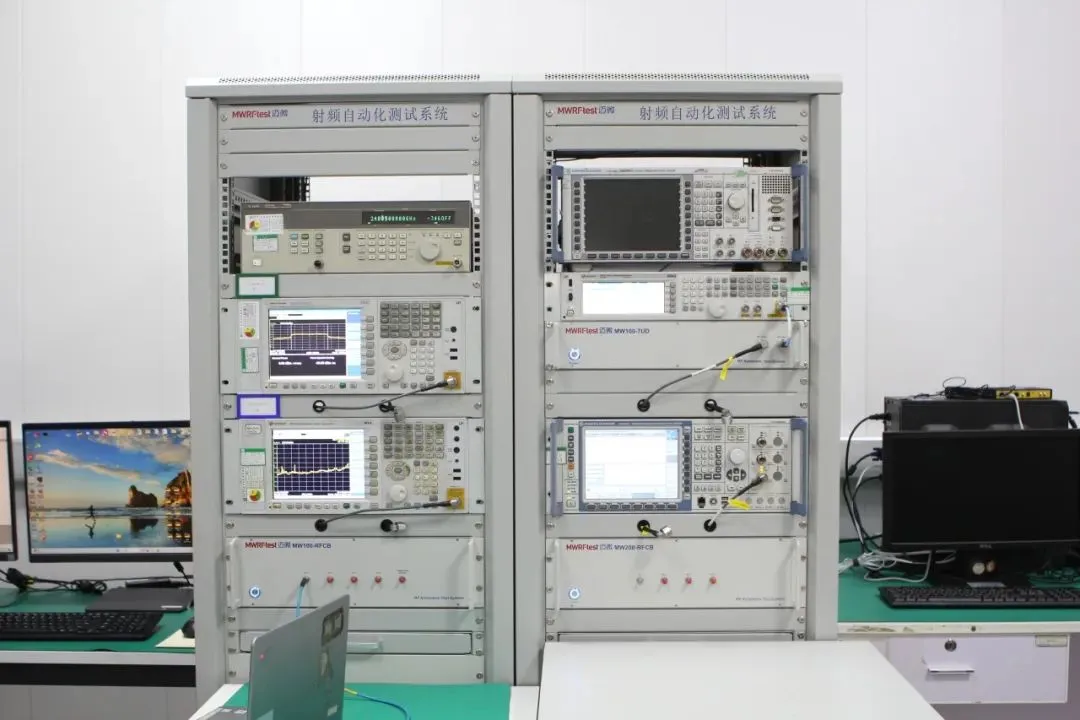 How to get the EN 55035 Test Report?
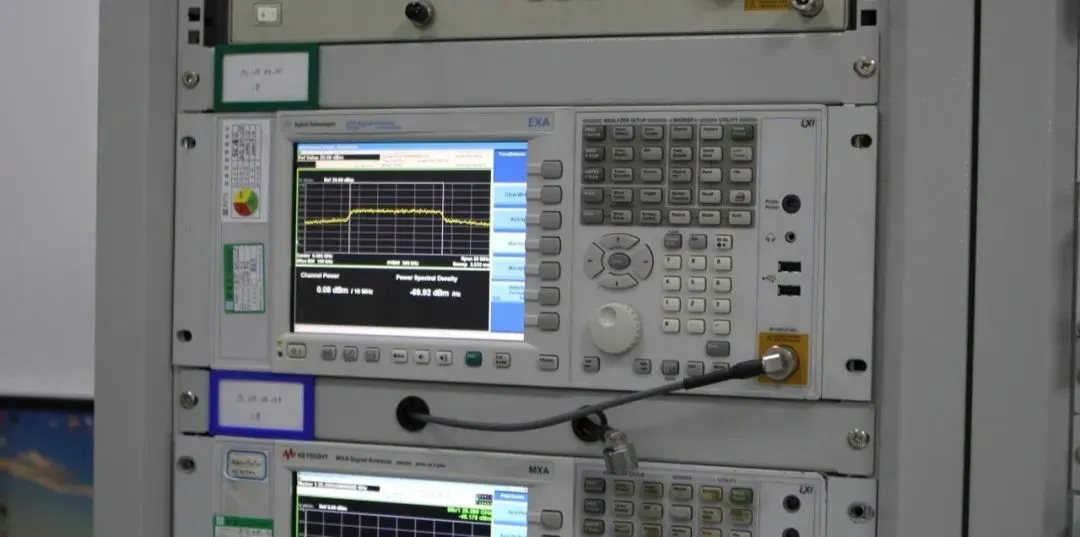 What is the Amazon EN 301 489 Standard?
 How to get an EN 301 489 Test Report?
 What is EN 301 489 Compliance Certification?
 Introduction to the EN 300 422 Standard
 How to get an EN 300 422 Test Report
 What is EN 300 422 Compliance Certification?
 How to get an EN 300 220 Test Report
Leave us a message
24-hour online customer service at any time to respond, so that you worry!