



FCC SDoC Certification for Monitors
fcc sdoc (Supplier's Declaration of Conformity) certification for monitors is a compliance declaration system implemented by the Federal Communications Commission (fcc) for electronic products without wireless functions, such as monitors.
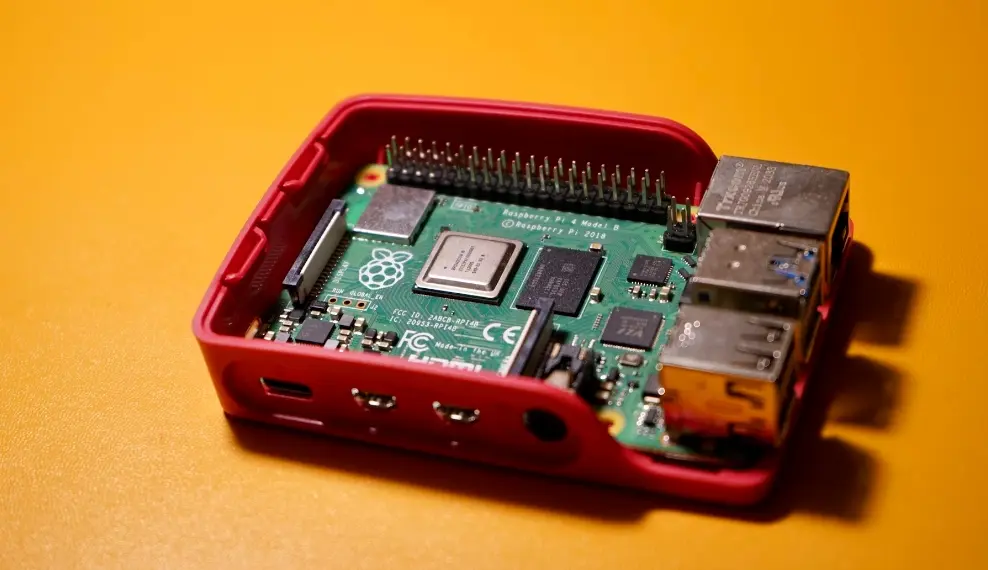
Introduction to FCC sdoc Certification
fcc sdoc certification is a self-declaration system launched by the FCC to simplify the certification process and reduce the burden on enterprises. For products without wireless transmission functions, such as monitors, manufacturers or importers may conduct testing on their own and declare that their products comply with the relevant FCC Electromagnetic Compatibility (EMC) standards, without submitting detailed test reports and application documents to the FCC.
Requirements for FCC SDoC Certification for Monitors
1. Product Testing
Manufacturers or importers shall test monitors in accordance with the EMC standards specified by the FCC to ensure that the products do not generate electromagnetic interference to other devices under normal operating conditions, nor are they affected by electromagnetic interference from other devices.
2. Compliance Declaration
Manufacturers or importers shall prepare a compliance declaration stating that their products meet the relevant FCC EMC standards. The declaration shall include the name, address and contact information of the manufacturer or importer, as well as the product model, specifications and other details.
3. Technical Documentation
Manufacturers shall retain relevant technical documents, such as electrical schematics and operating principle descriptions of the products, for inspection by the FCC or other regulatory authorities.
FCC SDoC Certification Standards for Monitors
There is no specific "standard number" for the entire FCC SDoC certification process, as SDoC is a self-declaration system that relies on manufacturers or importers to independently assess whether their products meet FCC EMC requirements.
However, the FCC has established a series of standards for different types of electronic products, usually designated as "FCC Part XX", where "XX" represents different parts or sections. For electronic devices such as monitors, fcc part 15 is one of the primary EMC standards, which may include specific requirements applicable to monitors.
Please note that the specific standard numbers may vary depending on product characteristics and the latest FCC regulations.
FCC SDoC Certification Items for Monitors
FCC SDoC certification focuses primarily on Electromagnetic Compatibility (EMC), including but not limited to the following test items:
1. Conducted Emission Test: Verifies that electromagnetic interference conducted through power cables complies with the limits specified by the FCC.
2. radiated emission test: Verifies that electromagnetic interference radiated by the equipment during operation falls within the ranges specified by the FCC.
3. Other Relevant Tests: Additional emc tests may be required based on specific FCC requirements and product characteristics, such as harmonic testing and spurious emission testing.
FCC SDoC Certification Cost for Monitors
The cost of FCC SDoC certification is determined by the product type and complexity. Generally, for electronic products without wireless functions such as monitors, the cost ranges approximately from  998, covering testing fees, document preparation fees and possible consulting fees.
Actual costs may vary depending on the testing laboratory, product specifications and market changes.
FCC SDoC Certification Process for Monitors
1. Self-Assessment: The manufacturer or importer conducts a self-assessment of the monitor to confirm compliance with FCC EMC standards.
2. Preparation of Compliance Declaration and Technical Documentation: Compiles the compliance declaration and supporting technical documents based on the self-assessment results.
3. Market Launch: After confirming compliance with FCC requirements, the manufacturer or importer may place the product on the market.
Although FCC SDoC is a self-declaration system, manufacturers or importers remain responsible for the authenticity and accuracy of their declarations, and bear legal liability for products that fail to meet FCC requirements.
Notes
1. Compliance: Manufacturers or importers must ensure that monitors fully comply with FCC EMC standards to avoid legal and market risks arising from non-compliant products.
2. Continuous Supervision: The FCC and other regulatory authorities may conduct random inspections or market surveys to verify ongoing compliance. Manufacturers or importers should closely monitor regulatory updates and make necessary product adjustments and improvements in a timely manner.
3. Certification Marking: The FCC no longer mandates the fcc logo on products. Manufacturers or importers may optionally mark the product with an fcc id or other relevant certification marks to indicate compliance. However, an FCC ID is not required for products certified under FCC SDoC.
Email:hello@jjrlab.com
Write your message here and send it to us
 How to get an EN 301 893 test report?
 What is EN 301 893 Certification Compliance
 What is the CSA 62368-1 Standard?
 Canadian Pacifier Compliance SOR/2016-184
 US Agent for FCC & EC REP for CE: Compliance R
 What is Recycling of WEEE
 What is PPWR Packaging Compliance
What is Extended Producer Responsibility
What is PPWR Packaging Compliance
What is Extended Producer Responsibility
Leave us a message
24-hour online customer service at any time to respond, so that you worry!