



Food Contact Materials (FCM) Regulation
Food Contact Materials (FCM for short) refer to materials that come into direct, indirect or potential contact with food during the normal use of products. Due to their contact with food, their safety directly affects food safety, which is also a key control point for enterprises.
Products involving food contact materials include: food packaging, tableware, kitchen utensils, food processing machinery and kitchen appliances, etc. Food contact materials include: plastics, resins, rubbers, silicones, metals, alloys, papers, paperboards, glass, ceramics, enamels, colorants, printing inks, etc.
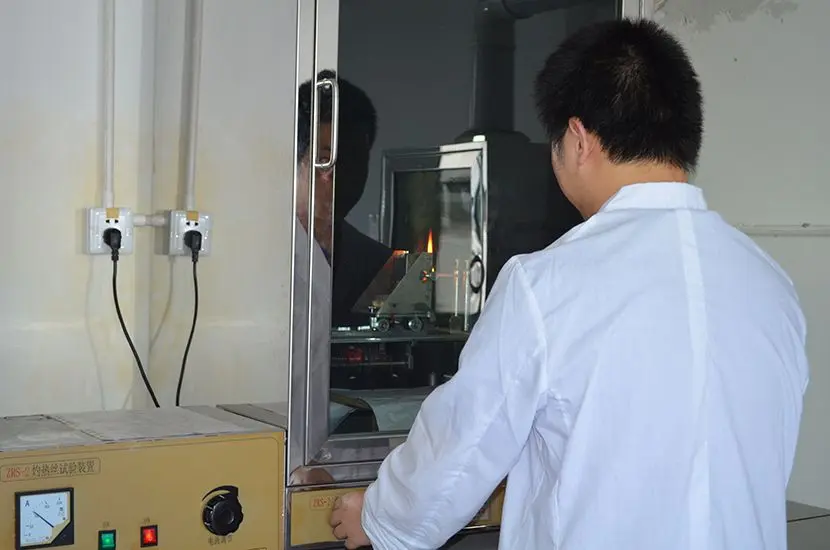
As direct or indirect contactors of food, food contact materials and products will not only affect the sensory properties of food during food production, storage, transportation and other processes, but also may cause the migration of toxic and harmful substances (such as heavy metals and toxic additives) to introduce non-food components, thereby affecting food safety and even endangering human health. Therefore, every country has relatively strict requirements for food contact materials, and the standard certification of each country is different.
Italian DM Testing
The Italian regulation applicable to materials in contact with food is Italian Decree No. 777 of 1982, which covers Ministerial Decree (DM) 21/3/73 and its subsequent updates as the statutory requirements for food contact materials.
The requirements for plastic materials under the Italian food-grade standard are consistent with those of EU Directive 2002/72/EC. In addition, the decree also includes some national requirements. For example, rubbers, silicones, glass and stainless steel are outside the scope specified by EU decrees, but the Italian decree sets specific requirements for them.
Although the COT has not yet conducted a comprehensive assessment of BPA analogues and derivatives, these substances are structurally similar and are increasingly associated with similar health risks. As a precautionary measure, the FSA recommends that any regulatory action should also cover these related substances.
What are the DM Testing Items?
① General plastics
② PC (Polycarbonate)
③ PVC (Polyvinyl Chloride)
④ Plastic Lid/O-ring/gasket
⑤ PU and PA (Polyurethane and Polyamide)
⑥ Requirements for Melamine resin (Melaware) products
⑦ Aluminum and Aluminum alloy (Decree No.76 of 18 April 2007)
⑧ Stainless steel products (Decree No.179 of 9 May 2019)
⑨ Enamel (DMH No. 20072 of 20 May 2014)
⑩ Rubber/Silicone Rubber
⑪ Ceramic (DM 04/04/1985 (GU No.98 of 26 April 1985) and 84/500/EEC & 2005/31/EC)
⑫ Glass
US FDA Testing
The U.S. Food and Drug Administration (FDA) is responsible for the regulation of drugs, food, biological products, cosmetics, veterinary drugs, medical devices and diagnostic supplies, etc.
FDA’s definition of Food Contact Substances (FCSs): A substance can be called a food contact substance if it can be used as a component of materials for food production, packaging, transportation or support without having any technical effect on food.
US FDA testing applies to materials and their products that come into contact with food during processing, production, packaging, storage, transportation and use, including products made of the following materials: plastics, metals, ceramics, papers, enamels, plastics, rubbers, silicones, glass, wood, bamboo, natural/chemical fibers, organic coating products, etc.
What are the FDA Testing Standards?
① FDA 21 CFR 175.300: Coatings of resins and polymers
② FDA 21 CFR 176.170: Components of paper and paperboard in contact with aqueous and fatty foods
③ FDA 21 CFR 177.1010: Semi-rigid and rigid acrylic and modified acrylic plastics
④ FDA 21 CFR 177.1210: Sealing materials with gaskets for food containers
⑤ FDA 21 CFR 177.1240: Copolymers of 1,4-cyclohexylidenedimethylene terephthalate and 1,4-cyclohexylidenedimethylene isophthalate
German LFGB Testing
LFGB is the German Food and Articles of Daily Use Regulation. Food and food-related articles entering the German market must obtain lfgb certification. Food contact material products to be commercialized in Germany must meet relevant testing requirements and obtain LFGB Test Reports.
The fork and knife mark is a food safety mark. If daily necessities in contact with food bear this mark, it indicates that the product has passed testing in compliance with numerous German and European standards, meets the requirements of the German LFGB regulation, and is proven to be free of toxic substances harmful to the human body, thus being eligible for sale in Germany and other European and American markets.
EU food contact materials testing
The EU has issued Regulation (EC) No. 1935/2004 for food contact substances. Materials in contact with food exported to the EU must comply with the provisions of relevant standards.
What are the EU Testing Items?
① (EC) No.1935/2004 Plastics: (EU) No.10/2011 Overall Migration Test
② (EC) No.1935/2004 Ceramics and Glass: 2005/31/EC Lead and Cadmium Release Test
③ (EC) No.1935/2004 Silicone Rubber: AP(2004)5 Overall Migration Test
④ (EC) No.1935/2004 Melamine Resin: AP(2004)5 Overall Migration Test & Formaldehyde Release Test
⑤ (EC) No.1935/2004 Organic Coatings: AP(2002)1 Overall Migration Test
⑥ (EC) No.1935/2004 Rubber: AP(2004)5 & 93/11/EEC Overall Migration Test, Nitrosamine Content Test, Aromatic Amine Migration Test
⑦ (EC) No.1935/2004 Paper: AP(2002)1 Pentachlorophenol Test, Preservative Efficacy Test, Heavy Metal Test
⑧ (EC) No.1935/2004 Wood: Pentachlorophenol Test, Formaldehyde Release Test
⑨ (EC) No.1935/2004 Metals, Alloys and Electroplating: Heavy Metal Release Test
French DGCCRF Testing
DGCCRF Testing is the English abbreviation for French food-grade safety regulations. Food contact products sold in France must comply not only with EU Regulation (EC) No 1935/2004, but also with local French regulations, including French DGCCRF 2004-64 and French Décret no 92-631.
French regulations not only impose special requirements on plastic and rubber products in contact with food, but also specify special classifications and requirements for metal products. For example, for cookware with organic coatings, in addition to testing the coating surface, there are corresponding requirements for the base metal.
Email:hello@jjrlab.com
Write your message here and send it to us
 Australia RCM Certification for Radio Devices
 RED Cybersecurity EN 18031 Standard
 Compliance Testing for EMC
 What is Amazon Toy Compliance?
 What is Cytotoxicity ISO 10993-5
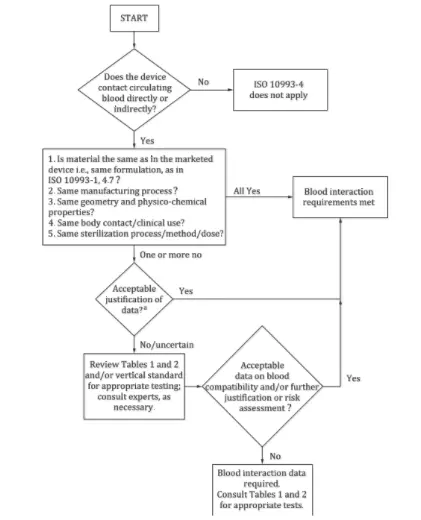 What is Hemocompatibility Testing ISO 10993?
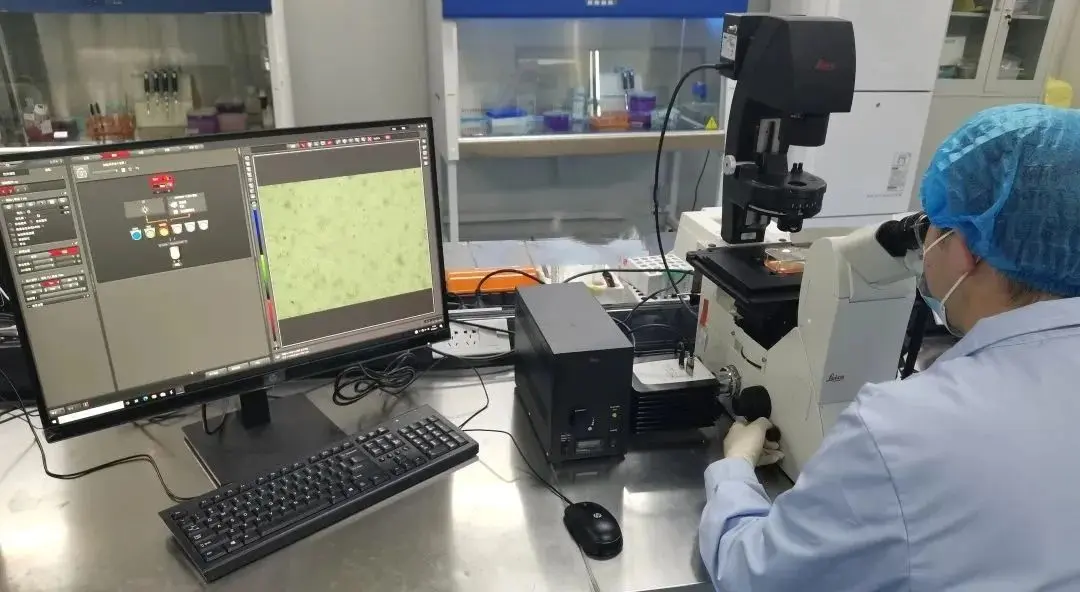 What is ISO 10993-5 Tests for In Vitro Cytotoxicit
Electronic Product IEC 62368-1 Safety Testing
What is ISO 10993-5 Tests for In Vitro Cytotoxicit
Electronic Product IEC 62368-1 Safety Testing
Leave us a message
24-hour online customer service at any time to respond, so that you worry!