



Home Appliance EMC Testing Services
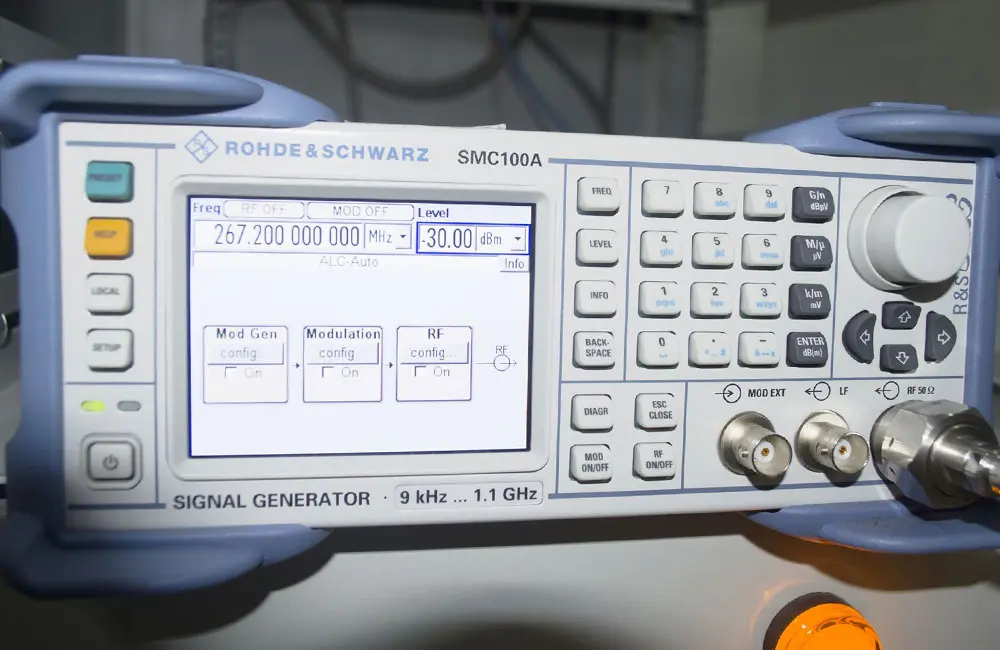
Electromagnetic Interference (EMI) Sources in Home Appliances:
The primary sources of EMI in household appliances include:
- Commutator Motors: Appliances such as vacuum cleaners, hair dryers, blenders, and shavers generate sparks during motor operation, causing electromagnetic interference.
- Switching Actions: Devices like electric kettles, irons, ovens, and washing machines produce EMI due to frequent switching.
- Large Current Demand: Air conditioners, during startup, cause temporary voltage dips and reduce the power factor of inductive loads. Inverter air conditioners with power electronics can also introduce power harmonics.
- High-Frequency Devices: Appliances with thyristors (e.g., multifunctional controllers in fans) produce high-order harmonics. Remote-controlled devices, automatic washing machines, and microwave ovens equipped with microprocessors emit electromagnetic interference, which intensifies as clock frequencies increase (up to hundreds of MHz).
- Microwave Ovens and Induction Cookers: These emit electromagnetic energy that not only causes interference but also poses health risks.
Standards and Regulations:
- International:
- CISPR14-1 / CISPR14-2 are the main standards for household appliances.
- Microwave ovens and induction cookers fall under the Industrial, Scientific, and Medical (ISM) equipment category (Group 2, Class B) per CISPR11.
- European Union:
- Applicable standards include EN 55014-1, EN 55014-2, and for ISM equipment, EN 55011.
- United States:
- Regular household appliances are classified under fcc part 15 for Unintentional RF Equipment and require verification. Consumer ISM equipment must meet fcc part 18 requirements with certification via Declaration of Conformity (DoC) or direct Certification.
Applicable Testing Standards:
- CISPR14-1/EN 55014-1: Emissions from household appliances and tools.
- CISPR14-2/EN 55014-2: Immunity of household appliances and tools.
- CISPR11/EN 55011: Radio disturbances from ISM equipment.
- en 61000 Series: Standards for harmonic current (EN 61000-3-2), voltage fluctuations (EN 61000-3-3), electrostatic discharge (IEC/EN 61000-4-2), and surge immunity (IEC/EN 61000-4-5), among others.
- fcc Part 15 and Part 18: Cover unintentional and intentional RF emissions.
Lighting emc testing Services
Overview of EMC:
Electromagnetic Compatibility (EMC) ensures that a device functions as intended in its electromagnetic environment without causing intolerable interference to other devices. This involves two key aspects:
1. emi compliance: Limiting the electromagnetic interference generated.
2. EMS Compliance: Ensuring a device can resist external interference.
Exemptions:
Incandescent lamps, including tungsten halogen lamps without dimming or electronic switches, do not require emc testing. Other lamps and fixtures without electronic components may skip EMS testing.
Regulations:
- United States: Lighting equipment must comply with FCC Part 18 and undergo DoC certification.
Testing Standards for Lighting Equipment:
- emi testing: CISPR15 / EN 55015.
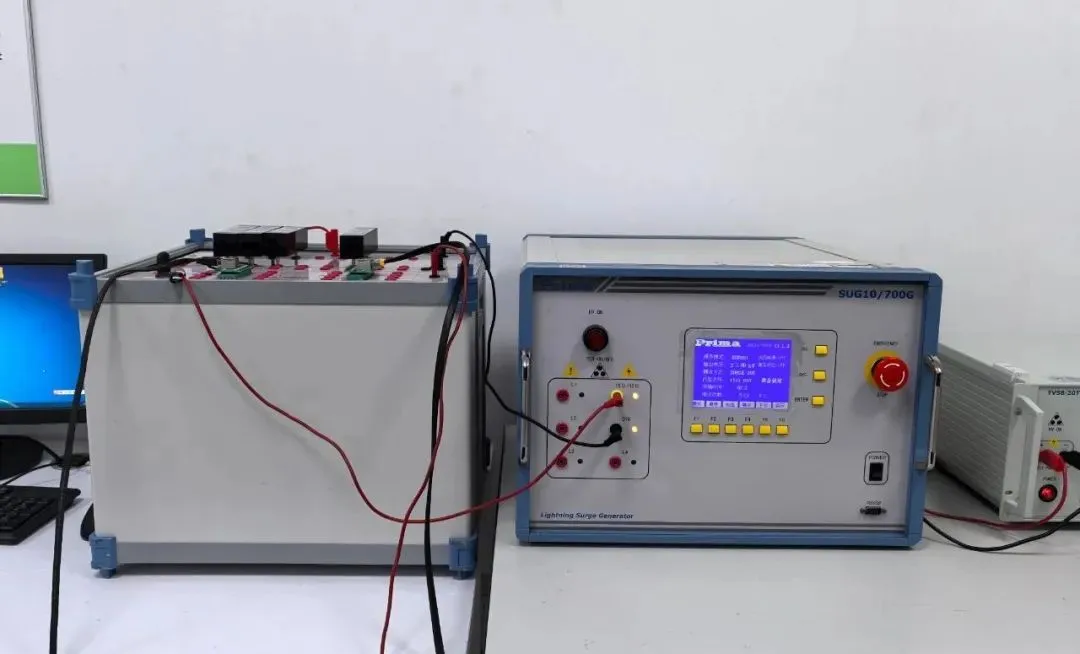
- Lightning Surge Immunity: IEC/EN 61000-4-5.
- EMC Immunity Testing: IEC/EN 61547.
- Harmonic Current: IEC/EN 60555-2 / IEC/EN 61000-3-2.
- Voltage Flicker: IEC/EN 60555-3 / IEC/EN 61000-3-3.
- Other Immunity Tests: Include electrostatic discharge (IEC/EN 61000-4-2), fast transients (IEC/EN 61000-4-4), and radiated disturbances (IEC/EN 61000-4-3).
EMF Certification
Health Risks from EMF Exposure:
Prolonged exposure to electromagnetic fields (EMF) can cause adverse effects, such as dizziness, nausea, leukemia in children, brain tumors, reduced fertility, and cancer. To mitigate these risks, lighting equipment must be evaluated for EMF emissions.
Standard for EMF Evaluation:
- IEC/EN 62493: Establishes methods for assessing EMF around lighting equipment. Evaluations include:
- Induced Current Density: 20 kHz to 10 MHz.
- Specific Absorption Rate (SAR): 100 kHz to 300 MHz.
Scope of Application:
- Indoor and outdoor lighting devices designed for illumination, connected to low-voltage networks or battery-operated.
- General lighting for residential, industrial, public, and street lighting.
- Multifunctional equipment with lighting as a primary function.
Email:hello@jjrlab.com
Write your message here and send it to us
 ISO 10993 Biocompatibility Standards
 Medical TPV ISO 10993 Biocompatibility Testing
 FDA Requirements for Biocompatibility under ISO 10
 Amazon Spain WEEE Compliance Deadline: September 3
 What is the ASTM F2264 Certification Test?
 What is ASTM F2194 Certification Testing?
 What is the ASTM F2167 Certification Test?
 What is the ASTM F2050 Certification Test?
Leave us a message
24-hour online customer service at any time to respond, so that you worry!