



How to Apply for FCC-SDOC and FCC-ID Certification in the US?
Exporting electronic and electrical products to the United States is crucial, especially for listing on platforms like Amazon, eBay, Shein, TikTok, and TEMU. FCC certification is necessary for this.
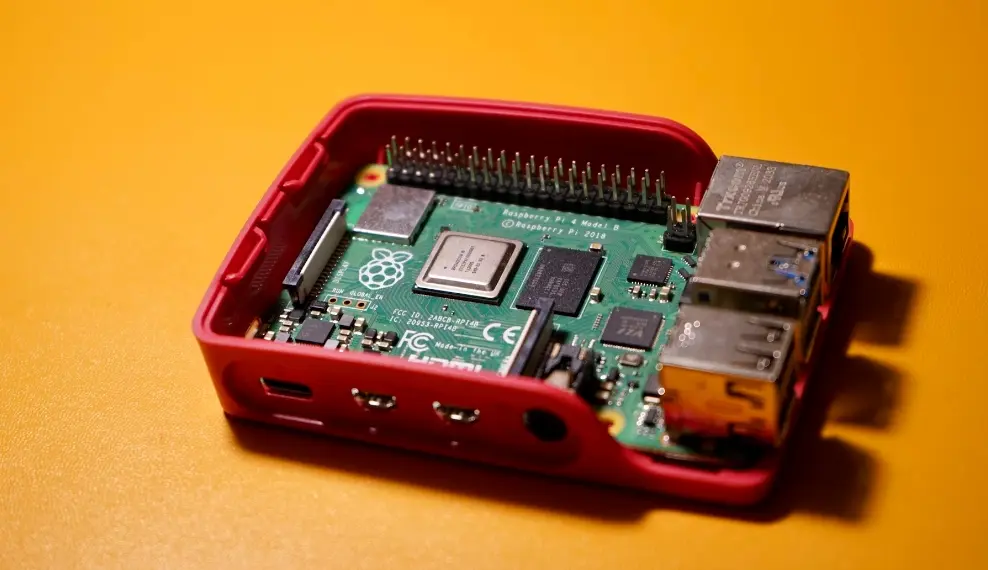
What is FCC Certification?
FCC certification, formally known as the Federal Communications Commission certification, is a crucial measure used by the United States to regulate the electromagnetic compatibility of radio and communication products. The purpose of FCC certification is to ensure that products do not interfere with radio and telecommunication networks while also safeguarding consumer safety and health.
Types of FCC Certification
FCC certification mainly involves two types of certifications: fcc sdoc and fcc id. FCC sdoc certification applies to ordinary electronic products without wireless transmission functions, such as TVs and speakers. In contrast, fcc id certification is specifically for wireless communication devices like mobile phones, tablets, Bluetooth devices, and drones.
fcc testing Items
To obtain FCC certification, products must meet electromagnetic compatibility standards, covering both emission and reception aspects. Emission testing assesses the electromagnetic wave strength radiated by the product to ensure it does not interfere with other radio devices. Reception testing evaluates the product's resistance to external electromagnetic interference to ensure it operates normally in complex environments.
1. Conducted Testing
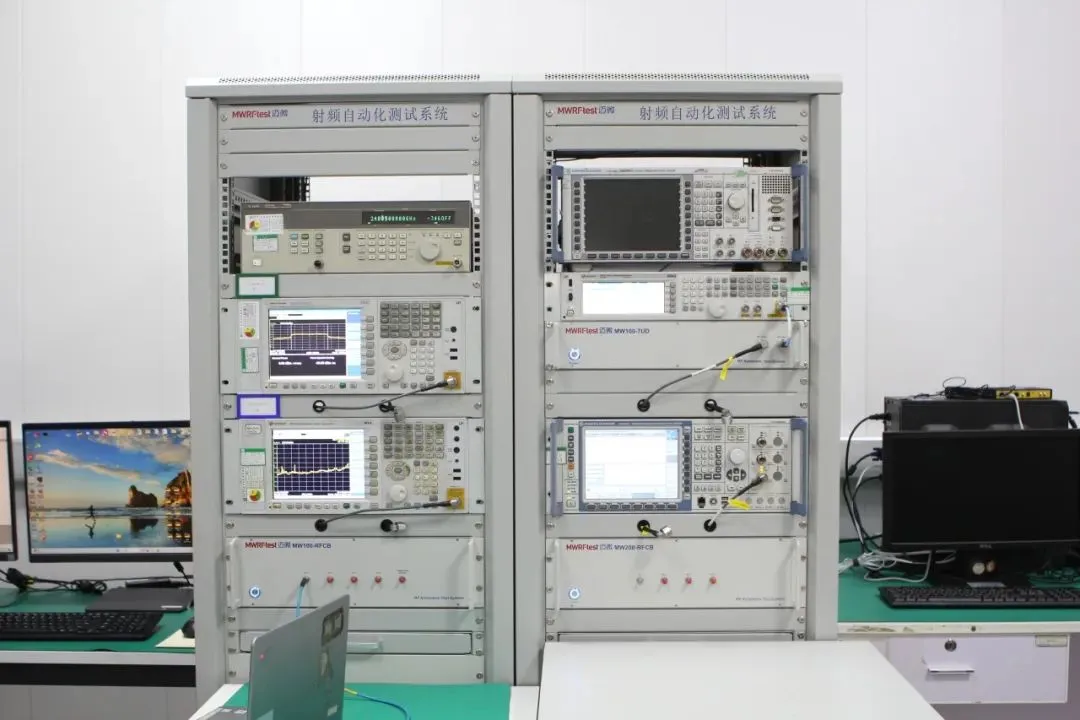
Conducted testing is one of the most fundamental tests in FCC certification, mainly assessing the electromagnetic interference produced by the product during conduction. This test simulates the possible electromagnetic interference generated by the product in actual use to evaluate whether these interferences meet fcc standards.
2. Radiation Testing
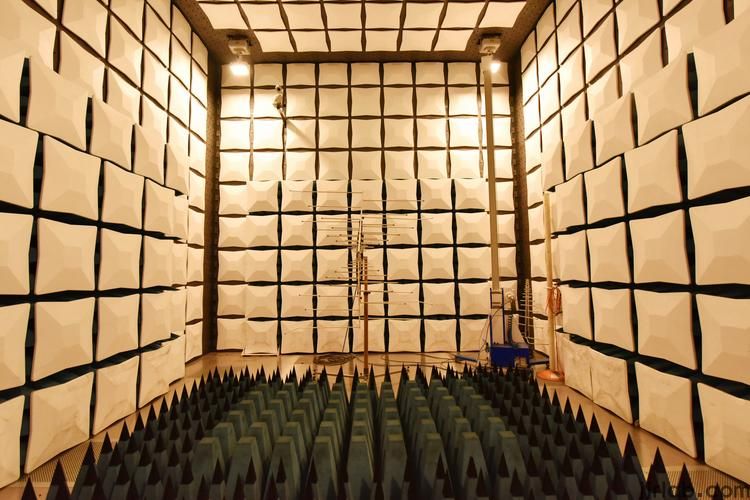
Radiation testing is another critical test in FCC certification, primarily testing the product's performance in electromagnetic radiation. This test involves scanning the product within a specific range to detect whether it produces electromagnetic radiation exceeding FCC limits.
3. Harmonic Testing
Harmonic testing evaluates the ability of electronic devices to produce harmonic currents, which are an unwanted source of electromagnetic interference that can negatively impact the power grid and other equipment. Therefore, harmonic current testing is essential in FCC certification.
4. Electrostatic Discharge (ESD) Testing
ESD Testing evaluates the product's performance under static electricity conditions. Static electricity is a common phenomenon in daily life, and without appropriate protective measures, electronic products may malfunction or degrade in performance. Thus, ESD testing is a crucial part of FCC certification.
5. Radio Frequency Radiated Immunity Testing
RF radiated immunity testing assesses the product's performance under radio frequency interference. This interference may come from wireless communication devices, radar, and other RF sources. The test simulates interference in real-world environments to evaluate whether the product can operate normally.
Documents Required for Wireless Product FCC ID Certification
1. FRN (FCC Registration Number)
A 10-digit reference number issued by FCC CORES when registering for FCC certification. It is free to apply for FRN on the FCC website.
2. Grantee Code (GC Authorization Code)
For first-time FCC ID applicants, this code is applied for after obtaining the FRN (a fee is required) and is only needed once.
3. fcc id number (Product ID Number)
The first three digits are the Grantee Code, followed by up to 14 characters self-assigned by the applicant, usually the product model.
4. FCC Label
Indicates the size, dimensions, and position on the product. The label must include the FCC ID number and FCC warning. If the label is small, it can only include the FCC ID number, but the FCC warning must be in the user manual. Other information like manufacturer and product model is optional.
5. Product Description
A brief description of the product's function, usage, and signal flow.
6. Circuit Principle Block Diagram
Indicate the crystal frequency in the circuit.
7. Circuit Diagram
Ensure clarity.
8. Product Manual or User Manual
9. Company Letterhead Paper
10. Authorization Letter
11. Confidentiality Letter (if confidentiality is required)
FCC Certification Application Process in the United States
1. Provide Information and Quotation
2. Sign Contract, Submit Information, Send Samples, and Make Payment
3. For wireless products, apply for FRN and Grantee Code if it’s the first time applying for FCC-ID
4. Testing arranged by our lab, corrective actions if tests fail
5. Upon passing, conclude and issue fcc certificate and test report; the company can use the FCC ID mark on the product
Basic Information about FCC Certification in the United States
1. FCC certificates are valid indefinitely
2. FCC certification is mandatory
3. First-time wireless product applicants need to apply for GC Code
4. Both FCC SDoC and FCC ID certifications require a US authorized representative
In conclusion, FCC certification is a crucial measure for regulating the electromagnetic compatibility of radio and communication products in the United States. It is essential for ensuring consumer safety and health. For companies, obtaining FCC certification means having a competitive edge in the market. Therefore, understanding and complying with FCC certification standards is vital for businesses intending to enter the US market.
Email:hello@jjrlab.com
Write your message here and send it to us
 How to get a UL 60335 Test Report
 What is UL 60335 Certification Compliance?
 What is EN 61000 Certification Compliance?
 How to get an EN 61000 Test Report?
 What is the Amazon EN 55035 Standard?
 What is EN 55035 Certification Compliance?
 How to get the EN 55035 Test Report?
 What is the Amazon EN 301 489 Standard?
Leave us a message
24-hour online customer service at any time to respond, so that you worry!