



ISO 10993 Biocompatibility Testing Fees
The cost of ISO 10993 medical device biocompatibility testing is US$4,000, with a cycle of 4 weeks (cytotoxicity testing, sensitization testing, and skin irritation); our laboratory has CNAS and CMA qualification seals, and is a GLP-authorized laboratory that can help you Provide Chinese and English compatibility test reports;
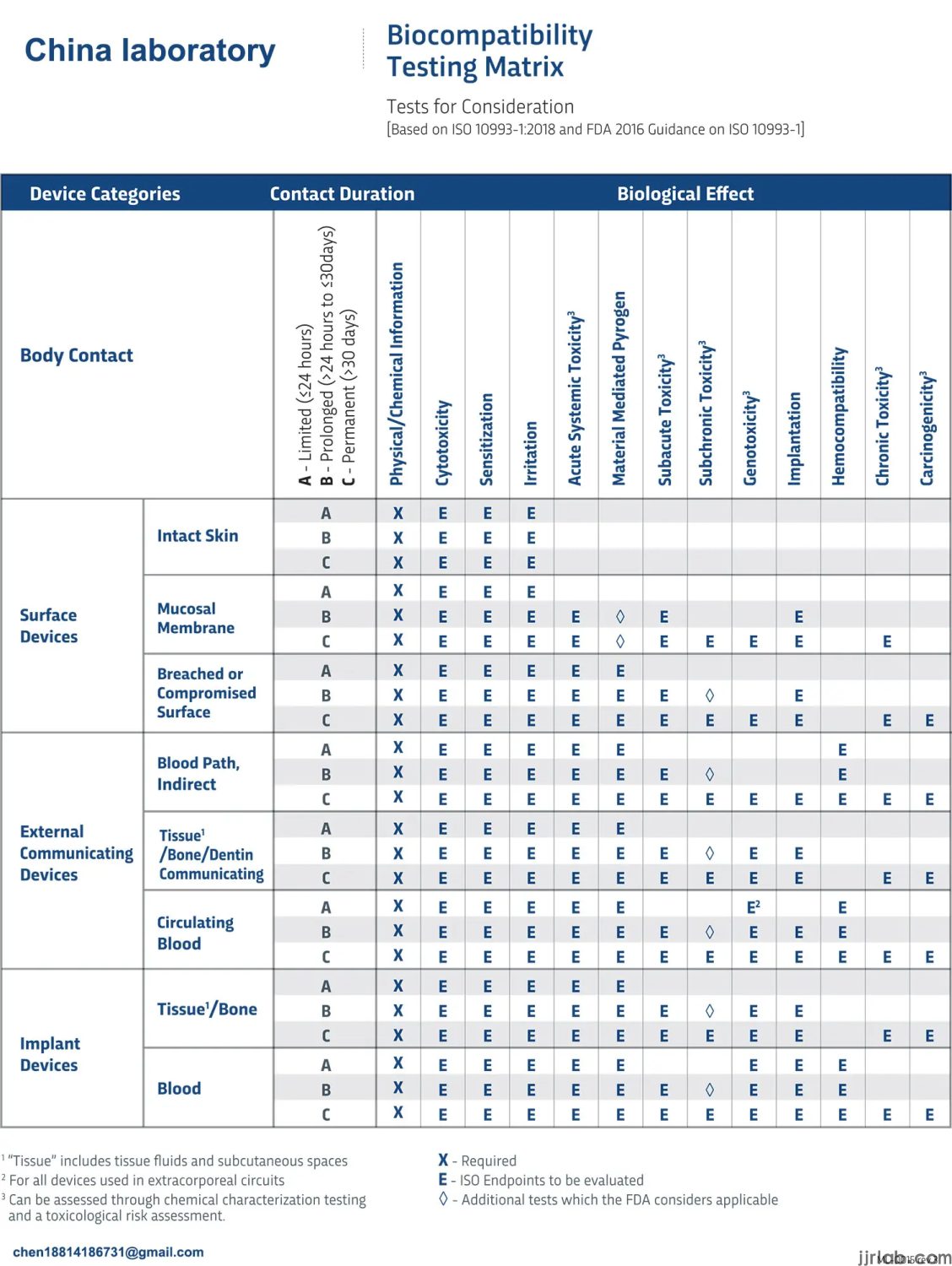
biocompatibility is a measure of the compatibility of a device or material with a biological system. The ISO 10993-1:2018 standard defines biocompatibility as "the ability of a medical device or material to perform with an appropriate host response in a specific application".
"The main purpose of this part of ISO 10993 is to protect humans from potential risks arising from the use of medical devices." (ISO 10993-1:2018). Manufacturers must better understand device materials, device manufacturing, sterilization, and other processes before conducting biocompatibility testing. The ISO 10993-1:2018 standard emphasizes chemical characterization prior to in vitro and in vivo biocompatibility testing.
Email:chen18814186731@gmail.com
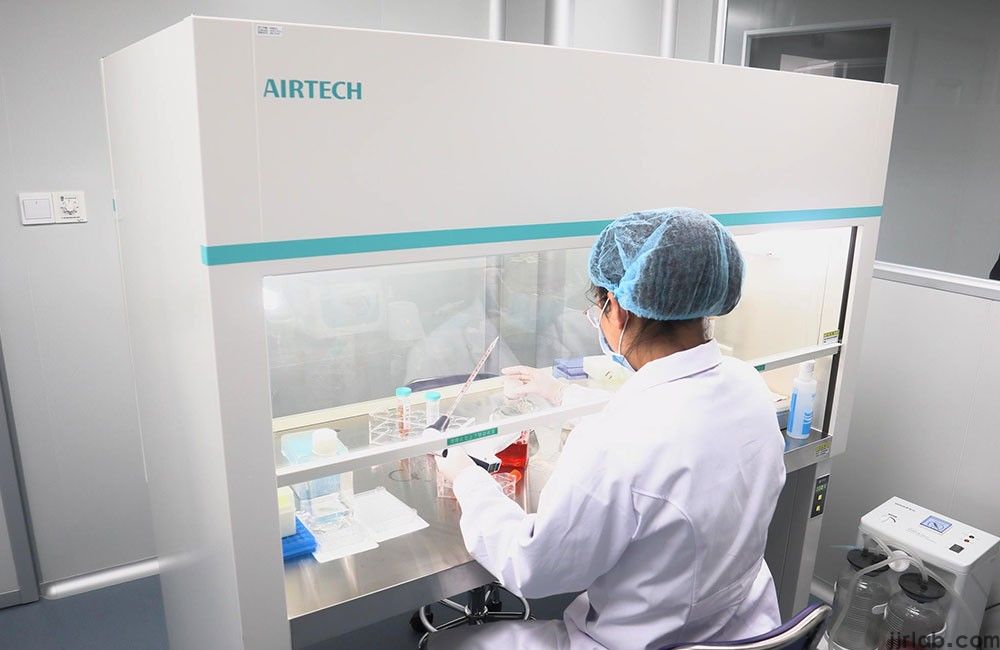
In vitro cytotoxicity – iso 10993-5
Cytotoxicity is a biocompatibility test performed on mammalian cells in culture. PBL performs three in vitro cytotoxicity tests: MEM elution, agarose overlay, and direct contact.
Equipment extracts and leachables – ISO 10993-18
Typically, chemical characterization and analysis of device components, also known as device extractables and leachables testing, is performed prior to any biological testing. This involves extracting leachable material from a device or component at high temperatures and analyzing the extract using a variety of instruments.
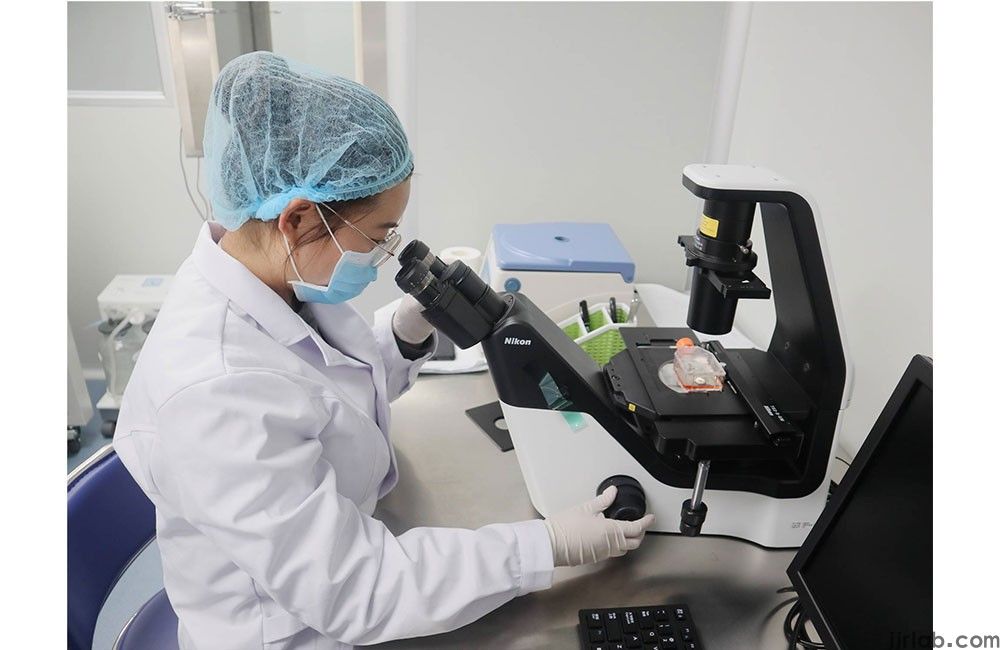
Hemolysis Test - astm f756:
We perform hemolysis tests by direct and extraction methods to evaluate the adverse effects of medical devices, leachables, and biological materials on rabbit blood. This assay is ideal for evaluating the blood compatibility of medical devices and biological materials according to international standards ISO 10993-4:2017 and ASTM F756.
In vivo biocompatibility testing:
Following the completion of in vitro testing, in vivo biological testing will be performed, the range of types of testing will depend on the intended use of the device. In vivo testing can range from skin irritation testing to sensitization testing, implant testing and systemic toxicity testing. Test turnaround times can vary from three weeks to several months, depending on the specific test data required. Subchronic or chronic systemic toxicity studies can last longer.
Email:hello@jjrlab.com
Write your message here and send it to us
 What is UL 1642 Compliance Certification?
 What Is Amazon's UL 60335 Standard
 How to get a UL 60335 Test Report
 What is UL 60335 Certification Compliance?
 What is EN 61000 Certification Compliance?
 How to get an EN 61000 Test Report?
 What is the Amazon EN 55035 Standard?
 What is EN 55035 Certification Compliance?
Leave us a message
24-hour online customer service at any time to respond, so that you worry!