



Temperature Shock Test (IEC 60068-2-14:2009)
Temperature shock test is a reliability testing method that simulates extreme environmental conditions through rapid temperature changes. It is mainly used to evaluate the resistance of materials or products under severe temperature fluctuations.
Samples are alternately exposed to high-temperature (e.g., 150℃) and low-temperature (e.g., -40℃) environments with an extremely short temperature transition time (usually ≤ 5 minutes, even as low as 10 seconds). This simulates the impact of instantaneous temperature changes, and primarily verifies physical or chemical damages to products caused by thermal expansion and contraction, such as material cracking, solder joint fracture, and poor contact of components.
Temperature shock test chambers, the equipment for this test, can be divided into two-chamber shock chambers and three-chamber shock chambers. Their operating modes are high temperature → low temperature → high temperature and high temperature → normal temperature → low temperature → normal temperature → high temperature respectively.
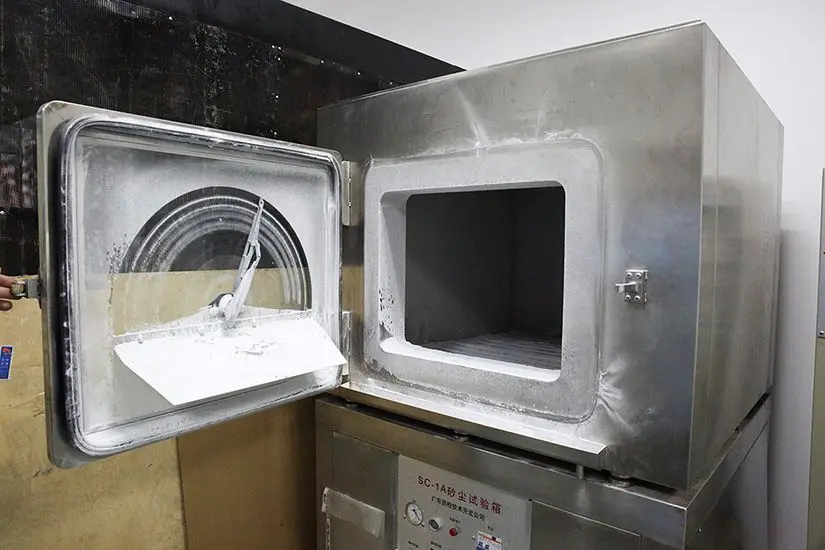
Key Parameters
1. Temperature Range: -70℃~+150℃ (common range); extendable to liquid nitrogen cooling (-196℃) for specific scenarios.
2. Transition Rate: ≥ 10℃/min (air shock method); ≥ 25℃/min (liquid shock method).
3. Cycle Times: Usually ≥ 10 cycles; up to hundreds of cycles for special requirements.
4. Recovery Time: ≤ 5 minutes (full cycle switching between -65℃ and +150℃).
Differences from Rapid Temperature Change Test
Item | Temperature Shock Test | Rapid Temperature Change Test |
Temperature Change Mode | Instant switching between high/low temperature chambers (e.g., high-temperature tank → low-temperature tank) | Continuous linear heating/cooling (no physical transfer) |
Stress Concentration Areas | Material joints, solder joints, etc. (higher thermal stress) | Uniform thermal/cold stress on all materials |
Applicable Scenarios | Severe instantaneous temperature changes (e.g., spacecraft entering/exiting the atmosphere) | Slow temperature changes (e.g., seasonal temperature differences) |
Reference Standards
1. Environmental testing – Part 2: Tests – Test Na: Temperature change (IEC 60068-2-14:2009)
2. Environmental testing – Part 2: Test methods – Test N: Temperature change (Clause 7, Test Na of GB/T 2423.22-2012)
About China JJR Laboratory
China JJR Laboratory is a high-tech testing lab established to meet the testing needs in the production process of high-tech electronic products. A substantial investment has been made to equip the laboratory with a full range of imported equipment, ensuring more stable and accurate testing data.
Email:hello@jjrlab.com
Write your message here and send it to us
 Australia RCM Certification for Radio Devices
 RED Cybersecurity EN 18031 Standard
 Compliance Testing for EMC
 What is Amazon Toy Compliance?
 What is Cytotoxicity ISO 10993-5
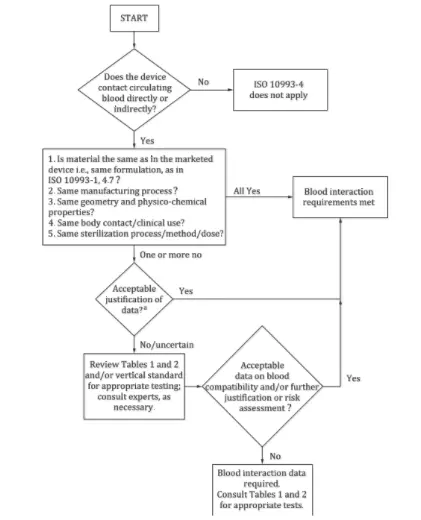 What is Hemocompatibility Testing ISO 10993?
 What is ISO 10993-5 Tests for In Vitro Cytotoxicit
Electronic Product IEC 62368-1 Safety Testing
What is ISO 10993-5 Tests for In Vitro Cytotoxicit
Electronic Product IEC 62368-1 Safety Testing
Leave us a message
24-hour online customer service at any time to respond, so that you worry!