



Toy Toxicology Testing CA
Recently, we’ve received feedback from many sellers stating that the testing standard for children's toys they are using is: CPC-ASTMF963-23.
When submitting, platforms have reported missing test items. Most often, these are the following two missing tests: 4.3 Toxicology - Toxicology Testing and 4.6.2 Mouth Actuated Toys. Below is the original email with compliance review feedback.
Original Email:
Hello,
We are contacting you because the toys you wish to list have compliance requirements. If you do not submit the requested information and documents below, it may impact your ability to list these toys.
Why is this happening?
This requirement helps ensure products are compliant with local laws and safe for customers. In order to list these toys on Amazon, please apply by submitting the following items:
1. We are contacting you because we noticed that the compliance documents we received are not present in the results of the test report, according to the [ASTM F963-23/CPSC] regulations.
For us to continue our review of your product(s), please submit the following missing items:
• 4.6.2 Mouth Actuated Toys (Whistles, Flutes, etc.).
• 4.3 Toxicology
What are these two test items specifically?
- 4.3 Toxicology - Toxicology Testing:
This test limits the content of harmful chemicals in toys, mainly heavy metals like lead and mercury. Toy components and coatings must pass toxicology testing to ensure they do not release harmful substances, which could pose a danger to children.
- 4.6.2 Mouth Actuated Toys:
This test ensures the safety of mouth-actuated toys, preventing risks caused by sucking, blowing, or similar actions. After immersion testing, torque testing, and tensile testing, the nozzle part must not release small parts, and no small parts should come off after the blowing and sucking tests. Toys with blowing nozzles, such as blow darts, are also tested to ensure the stopper preventing the dart from being sucked back cannot fall off.
Criteria to meet:
At least 295±10 cm³ of gas volume must be produced within 5 seconds, and the toy must be able to alternate blowing and sucking 10 times. The toy is equipped with an imported high-precision pressure valve.
Mouth-Actuated Toy Testing Safety Requirements:
1. The mouthpiece and internal nozzle of the toy cannot be detachable and become small parts.
2. For toys that have not removed the mouthpiece, no small parts should be released during immersion, torque, and tensile tests.
3. Toys containing loose parts must not release small parts during durability tests (with 295±10 cm³ of gas volume alternating blowing and sucking 10 times).
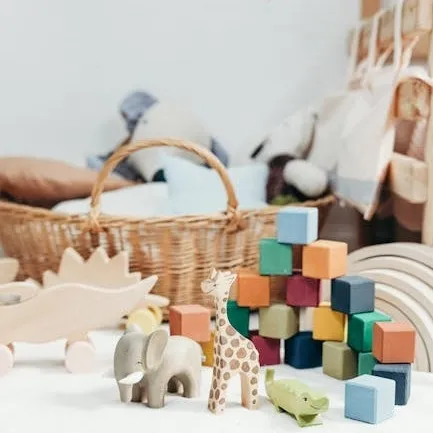
Process for obtaining Children's Toy CPC Certification:
1. Fill out the application form.
2. Provide samples.
3. Arrange testing.
4. Draft results upon passing the tests.
5. Confirm the official documents.
How long does it take to process the CPC certification for children's toys?
Once samples are received, it takes about one to two weeks. China JJR Laboratory provides this service.
Email:hello@jjrlab.com
Write your message here and send it to us
 FDA Requirements for Biocompatibility under ISO 10
 Amazon Spain WEEE Compliance Deadline: September 3
 What is the ASTM F2264 Certification Test?
 What is ASTM F2194 Certification Testing?
 What is the ASTM F2167 Certification Test?
 What is the ASTM F2050 Certification Test?
 What is ASTM F1967 Certification Testing? How to g
 What is the ASTM F1917 Certification Test?
Leave us a message
24-hour online customer service at any time to respond, so that you worry!