



US CPC Certification Standards & Process & Fees
What is CPC Certification?
CPC (Children’s Product Certificate) is a mandatory certification issued by the US Consumer Product Safety Commission (CPSC) for products intended for children aged 12 and under. It certifies that the product complies with US safety regulations. (It is a conformity declaration certification for importers and usually requires the importer’s signature and seal to take effect.)
Applicable Entities
Manufacturers, importers, brand owners, and distributors (a US-based responsible person must be designated).
Regulatory Basis
Implemented in accordance with the requirements of the Consumer Product Safety Improvement Act (cpsia).
Which Products Require CPC Certification?
Covers all consumer products for children aged 12 and under, including but not limited to:
① Toys:
Plush toys, educational toys, electronic toys, etc.
② Baby Products:
Baby bottles, pacifiers, cribs, walkers.
③ Apparel:
Children's clothing, shoes, hats.
④ Stationery:
Crayons, paintbrushes, school bags.
⑤ Others:
Children's jewelry, furniture, ride-on toys.
Core Testing Standards and Content
Depending on the product type, the following testing standards (partial common ones) must be met:
Product Category | Testing Standard | Testing Content |
Children's Toys | ASTM F963 (Mechanical/Physical Properties) | Small parts test, sharp edge detection, flammability test |
Children's Toys | CPSIA (Chemical Properties) | Lead content (≤100ppm), phthalate content (≤0.1%) |
Cribs/Cradles | 16 CFR Part 1218/1219 | Structural stability, gap risk assessment, label compliance |
Children's Clothing/Textiles | 16 CFR Part 1610 (Flammability) | Burning rate test |
Children's Metal Jewelry | CPSC 16 CFR Part 1303 | Heavy metal (lead, cadmium) content detection |
Documents Required for Certification
① Product Information
Name, model, material, applicable age, design drawings.
② Test Report
Compliance test report issued by a CPSC-accredited laboratory.
③ cpc certificate Template
Must include product description, regulatory basis, and manufacturer/importer information.
④ Importer Information
US-based company name and address (if none, provide US agent or US-based responsible person information).
⑤ Other Documents
Product photos, instruction manuals, packaging labels.
Note:
All documents must be true and valid. False declarations may result in product recalls or legal penalties!
CPC Certification Process and Cycle
(1) Product Classification
Confirm whether the product falls into the category of children's products.
(2) Laboratory Testing
Select a CPSC-accredited laboratory (JJR) for testing (cycle: approximately 5-7 working days).
(3) Document Compilation
Prepare the CPC certificate and test report.
(4) Submission for Review
Platforms such as Amazon or customs may require electronic uploads.
(5) Market Access
Products can be legally sold after passing the review.
Cycle Reference:
The regular process takes about 7-15 days (extended for complex products).
Certification Cost Reference
(1) Basic Cost:
Approximately \(480-\)698, depending on product complexity.
(2) Influencing Factors:
Number of test items, number of samples, material complexity.
(3) Example:
Testing fees for plush toys are usually lower than those for electronic toys.
(4) Expedited Service:
An additional 30%-50% fee can shorten the cycle.
FAQ
1. What is the validity period of a CPC certificate?
There is no fixed validity period, but it is necessary to ensure that the product has not undergone design/material changes; otherwise, re-certification is required.
2. Do cross-border e-commerce sellers need to apply for CPC themselves?
If you are a manufacturer or brand owner, you need to apply for it yourself; if you are a distributor, you must ensure that the supplier provides a valid CPC certificate.
3. Is a CPC certificate universally applicable?
No! Each product requires separate certification, and different models must be tested individually. (Products of the same material and color but different sizes and shapes can be included in a single report as same-material products.)
4. What are the common reasons for certificate revocation?
Fake test reports, failed product random inspections, incorrect label information.
How to Choose a Compliant Service Provider?
① Confirm whether the laboratory has CPSC-accredited qualifications (such as ITS, SGS, BV, etc.).
② Request the service provider to provide successful cases of similar products in the past.
③ Ensure that the testing scope covers the target sales states (e.g., California requires additional compliance with Prop 65).
Email:hello@jjrlab.com
Write your message here and send it to us
 What is Recycling of WEEE
 What is PPWR Packaging Compliance
What is Extended Producer Responsibility
What is PPWR Packaging Compliance
What is Extended Producer Responsibility
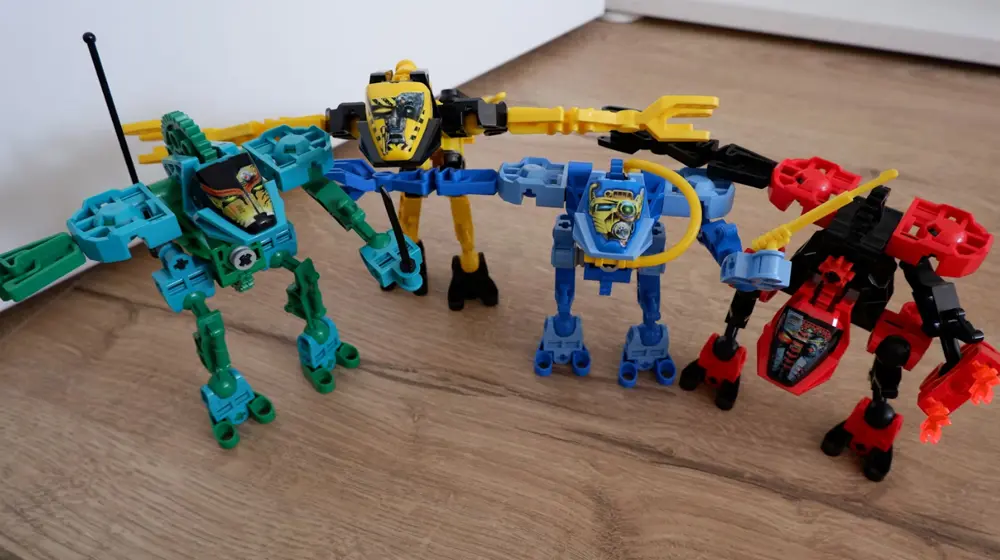 Children's Toy Compliance: Avoiding CPSC Recalls
 Export Electric Blanket Compliance: Preventing CPS
 What is LFGB Certification Meaning
 EU Food Contact Materials (FCM) EC 1935/2004 Stand
 LFGB Germany Food Contact Materials Official
Leave us a message
24-hour online customer service at any time to respond, so that you worry!