



What are the FCC Certification Requirements?
Exporting electronic and electrical products to the United States has always been a priority for our country. fcc (Federal Communications Commission) certification is a crucial step for electronic and electrical product companies to expand into the international market, especially the U.S. market. FCC certification is mandatory and serves as the basic threshold for electronic and electrical products to enter the U.S. market.

What is FCC Certification?
FCC certification, officially known as Federal Communications Commission certification, is an important regulatory measure in the United States for controlling the electromagnetic compatibility of radio and communication products. Its purpose is to ensure that products do not interfere with radio and telecommunication networks while safeguarding consumer safety and health.
What are the Types of FCC Certification?
FCC certification mainly involves two types of certifications:
- fcc sdoc Certification: Applicable to general electronic products without wireless transmission functions, such as TVs and audio equipment.
- fcc id Certification: Specifically for wireless communication devices such as mobile phones, tablets, Bluetooth devices, and drones.
What are the fcc testing Projects?
When undergoing FCC certification, products must meet electromagnetic compatibility standards, including both emission and reception aspects. These usually include:
1. Conducted testing
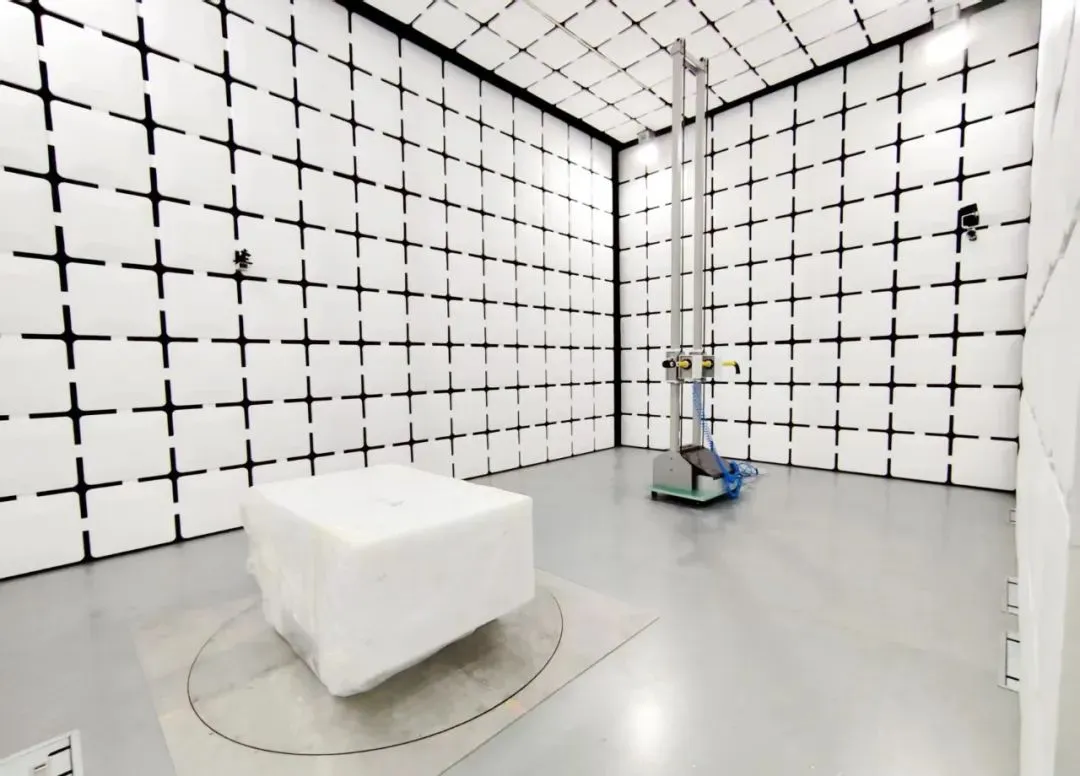
2. Radiated testing
3. Harmonic testing
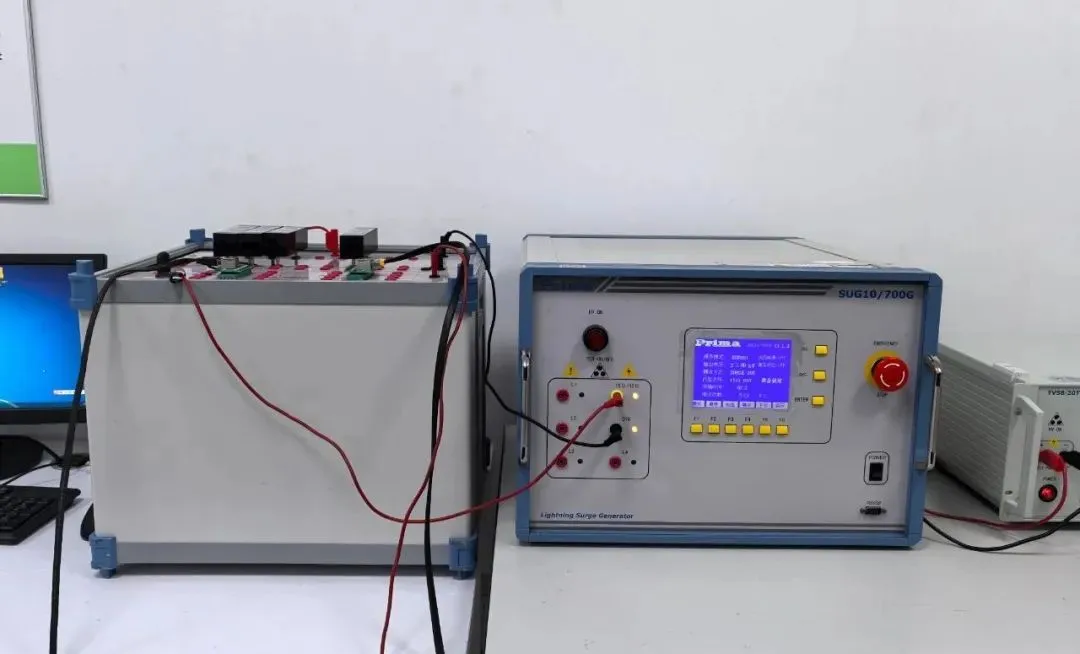
4. electrostatic discharge testing
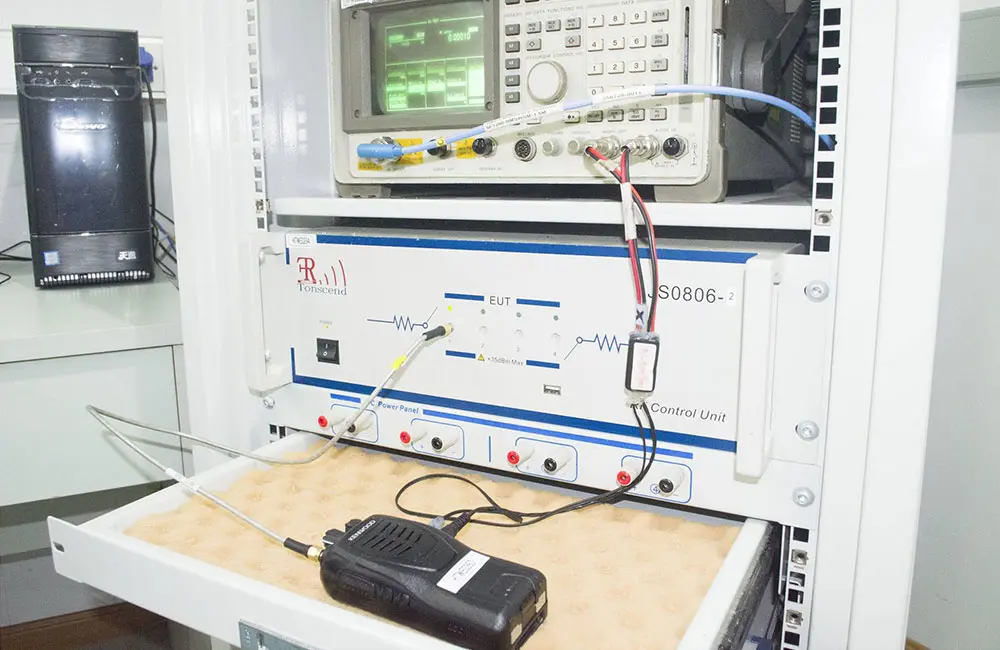
5. RF radiated immunity testing
How Long is FCC Certification Valid?
FCC certification is generally valid for a long time, but re-certification or updates to the certificate may be necessary in the following situations:
1. The directive used in previous certification is replaced by a new directive.
2. Significant modifications are made to the certified product.
3. Safety issues arise after the product enters the market, resulting in the certificate being revoked by the authorities.
FCC Certification Application Process:
1. The client submits an application form to the testing agency.
2. The client prepares test samples (wireless products need a fixed frequency machine) and provides product information (see information requirements).
3. The testing agency issues a draft report for client confirmation and then issues the official report.
4. For FCC sdoc, the project is completed. For FCC ID applications, the report and technical information are submitted to the TCB.
5. The TCB reviews and issues the FCC ID certificate, and the testing agency sends the official report and FCC ID certificate.
6. Once the company receives the FCC certification, it can use the FCC mark and related statements on its products.
Note 1: Manufacturers applying for fcc id certification for the first time need to register with the FCC and establish a company profile with an FCC-FRN. The certificate issued after TCB review will have an fcc id number, typically composed of the "Grantee code" + "Product code."
Note 2: Applications for FCC SDoC and FCC ID certifications require an authorized U.S. representative.
In summary, as an important regulatory measure for electromagnetic compatibility control of radio and communication products in the U.S., understanding and complying with FCC certification standards is crucial for companies intending to enter the U.S. market.
JJR is an IEC 17025 accredited laboratory located in China, and we can help you save 30% on fcc certification testing costs.
Email:hello@jjrlab.com
Write your message here and send it to us
 What is the ASTM F2167 Certification Test?
 What is the ASTM F2050 Certification Test?
 What is ASTM F1967 Certification Testing? How to g
 What is the ASTM F1917 Certification Test?
 How to get ASTM F1821 Certification
 What is the ASTM F1821 Testing Standard?
 Electronic Products Safety Testing Laboratory
 HAC Hearing Aid Compatibility Testing
Leave us a message
24-hour online customer service at any time to respond, so that you worry!