



What Exactly Does IOR Registration Verification Inspect?
Recently, cross-border e-commerce sellers exporting to the US have frequently encountered two major issues: 9H detention and IOR verification.
9H detention leads to prolonged inspection time and soaring costs. Meanwhile, CBP sends official emails demanding importer identity verification, and overdue response will result in immediate invalidation of the IOR number.
Many sellers feel confused: What is 9H exactly? Why have inspections become stricter suddenly? What is IOR verification? Will it affect my BOND?
This article explains basic concepts in plain language, thoroughly clarifying the whole logic of 9H inspection, IOR verification and BOND correlation. It helps sellers understand relevant regulations, avoid risks in advance and reduce hidden risks in US customs clearance.
Basic Definition of 9H and BOND
Many sellers mistakenly regard 9H as cargo physical inspection. In fact, it is a qualification review targeting importers launched exclusively by CBP.
9H and BOND serve as dual safeguards for US customs clearance, closely interconnected and indispensable. 9H determines whether goods will be detained, while BOND decides whether goods can be cleared successfully.
9H: Subject-oriented Inspection Instead of Cargo Check (Invalid Consignee Hold)
9H refers to a dedicated detention code of CBP, fully named Invalid Consignee Hold. It focuses on verifying the authenticity of importer and IOR qualifications. No cargo unpacking or physical inspection will be conducted, only document information verification is carried out.
Trigger Causes
Incorrect consignee information, invalid EIN tax ID, false IOR filing data, inconsistent manifest and bill of lading, mismatched BOND information.
Direct Consequences
Goods will be locked by the system and prohibited from release. Failure to handle issues within the time limit will cause IOR cancellation, BOND invalidation and cargo port detention.
Post-verification Status
Approved cases will be updated to 9I status and eligible for cargo release.
Comparison Between 9H and Previous 5H Inspection
Comparison Items | 5H Inspection | 9H Inspection |
Inspection Target | Goods & declaration documents (commodity name, HS code, cargo value, quantity) | Qualification of importer (IOR) and consignee entity |
Unpacking Required | Document review first; unpacking and container inspection for suspicious goods | No unpacking or cargo contact, merely document locking |
Main Triggers | Underreported cargo value, wrong HS code, vague commodity name, inconsistent documents, sensitive goods | Shell company, invalid EIN, fake address, expired/shared/insufficient-limit BOND, inconsistent ISF, bill of lading and invoice |
Processing Time | 3-5 days for document review plus 7-15 days for unpacking inspection, even longer | 1-3 days with complete documents; detention fees may accumulate due to delayed notice |
Return Rate | High with limited supplementary document opportunities | Low, mostly caused by information errors; repeated lock may occur due to qualification defects |
Notification Mode | Relatively transparent, forwarders and customs brokers notify sellers timely | Notified only to brokers and forwarders; sellers usually get delayed notice |
Influential Scope | Single shipment | Entire IOR and BOND qualification, affecting subsequent shipments |
BOND: Mandatory Customs Clearance Security Deposit
BOND stands for import security deposit and guarantee contract required by US Customs. Purchasing BOND is compulsory for formal import business (goods value generally over $2500). Cargo cannot be declared or cleared without valid BOND, leading to direct detention.
Core Functions
Guarantee tariff payment and compliance performance. Customs has the right to claim compensation for abandoned goods, fines and detention fees via BOND.
Two Types of BOND
• Single Bond: Valid for one single shipment, suitable for occasional import businesses.
• Continuous Bond: Annual validity covering all shipments, featuring higher cost performance and stability.
Critical Binding Rule
IOR must be bound with valid BOND. Once CBP cancels an IOR number, the matched BOND will become invalid simultaneously, impacting all shipments under the account.
After understanding 9H detention rules and the tight connection between IOR and BOND, sellers must respond promptly once receiving official verification emails from CBP, and never delay relevant processing.
Four-step Operation for CBP Verification Email
If the importer mailbox receives official verification emails from CBP, it means CBP requires authentication of the authenticity and validity of the IOR account.
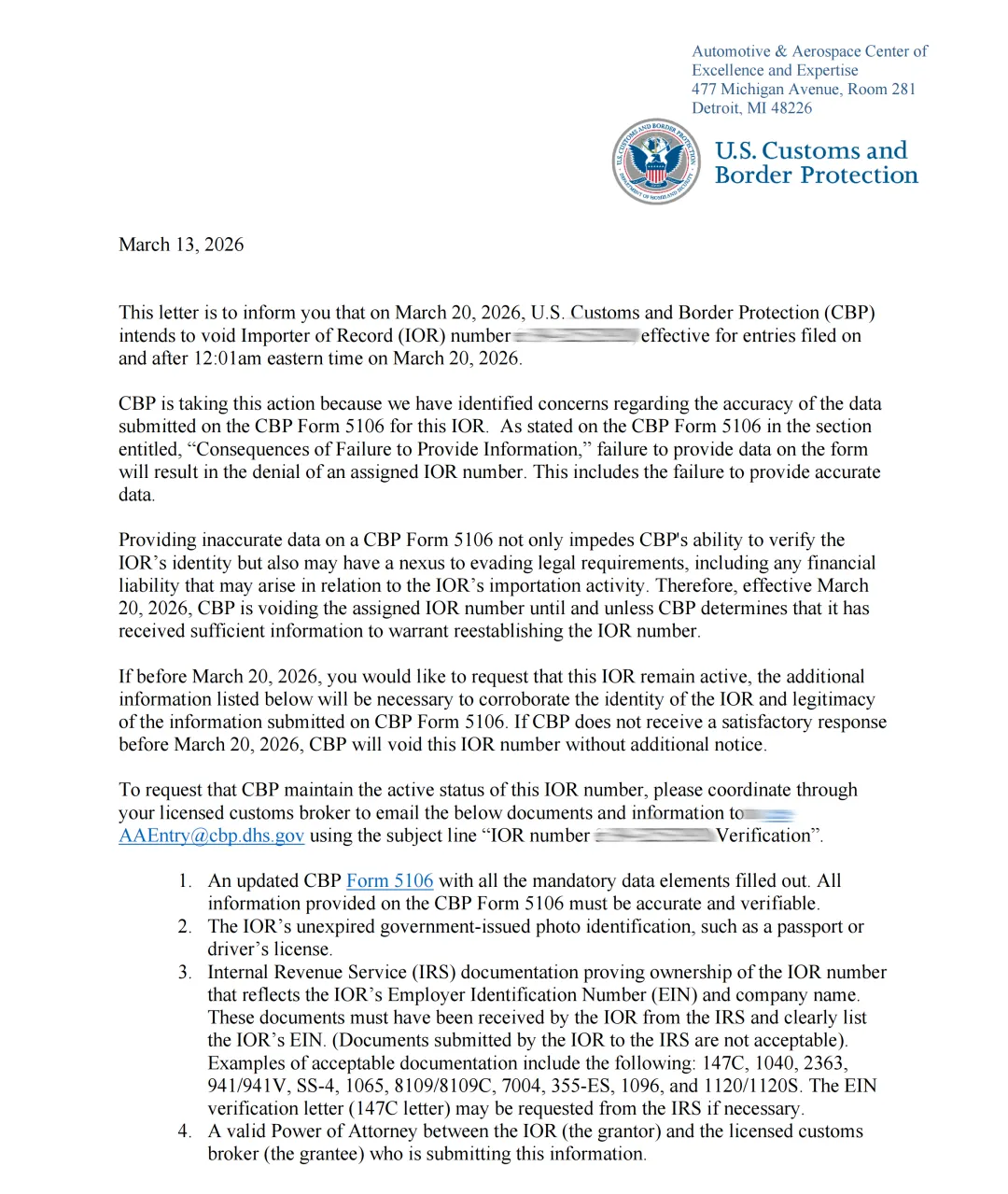
Complete document submission is mandatory. IOR number will be canceled automatically if missing the deadline.
2.1 Mandatory Document Checklist
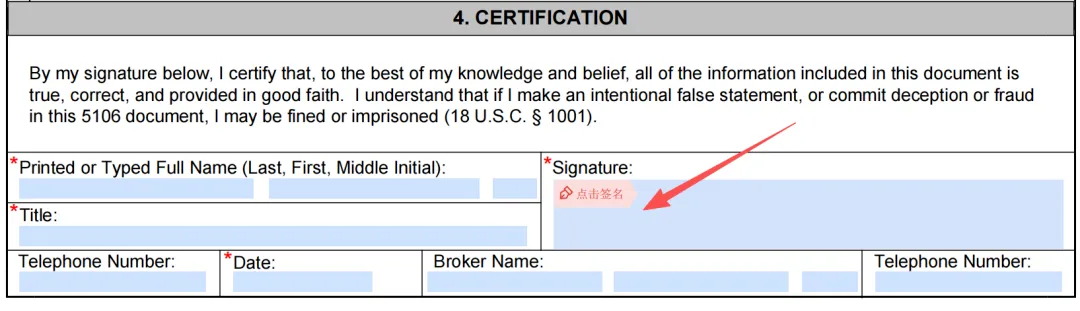
• Fully and consistently filled CBP Form 5106
• Valid importer identification documents (passport/driver license; Chinese ID card attached with translated version)
• Business license (Chinese version attached with translated document)
• Latest valid POA Power of Attorney
• Official IRS EIN certification documents (such as Letter 147C, exclusively issued by IRS rather than self-submitted files)
2.2 Standard Submission Procedures
Submit all documents to the customs broker who handles BOND purchase. The authorized broker will forward materials to the designated CBP mailbox.
• Sender Email: The importer mailbox receiving CBP verification notice
• Recipient Email: Mailbox of the cooperative BOND purchasing customs broker
• Email Subject: IOR Number: 26XXXX-3XXXX7 Verification
All materials shall be submitted prior to CBP deadline. No second reminder will be issued, and overdue IOR will be revoked directly. Verification service is chargeable, and fees are non-refundable regardless of final verification results.
2.3 Key Filling Reminders for Form 5106
All company name, address, phone number and email address on Form 5106 must be identical with information submitted during BOND application. Abbreviation, character omission and wrong numbers are forbidden.
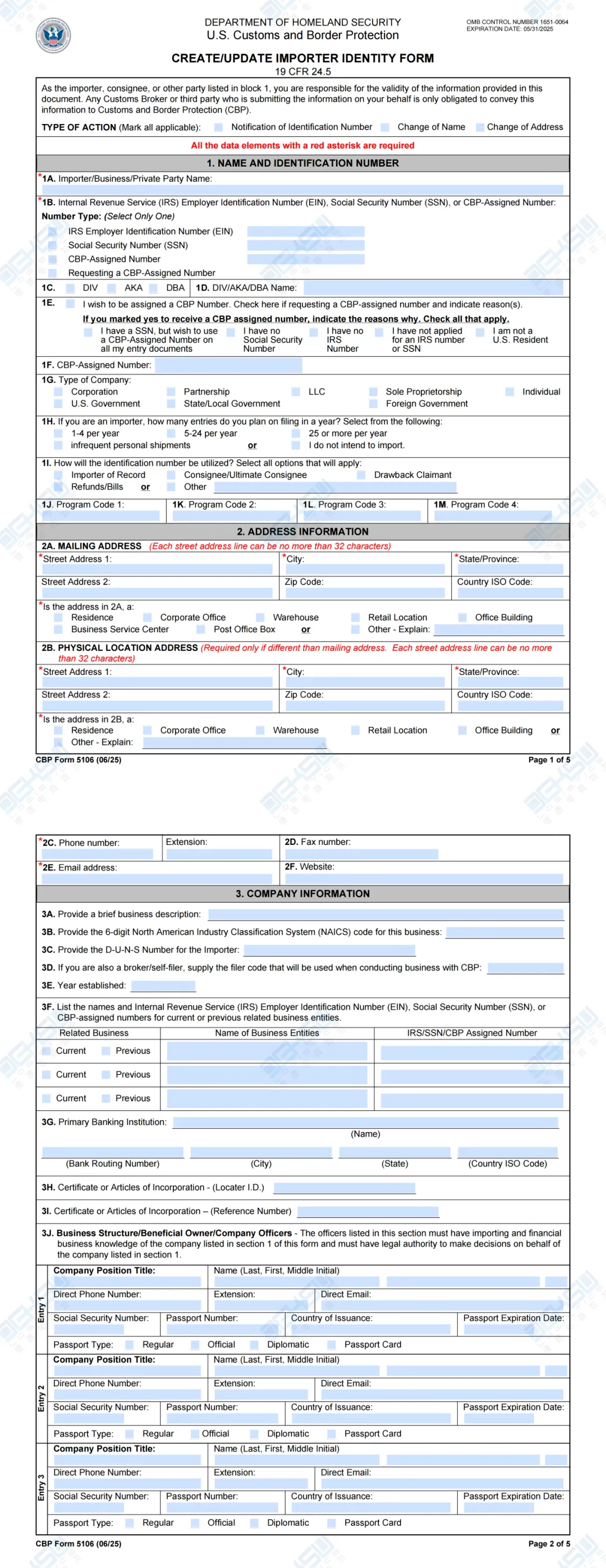
Required Field Specifications
1A: English importer name, consistent with the name registered for Continuous Bond
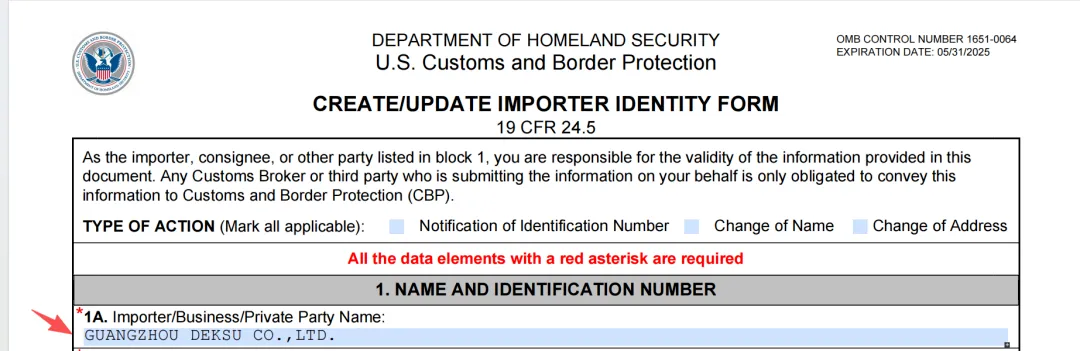
2A: English mailing address of importer; 2B field can be left blank
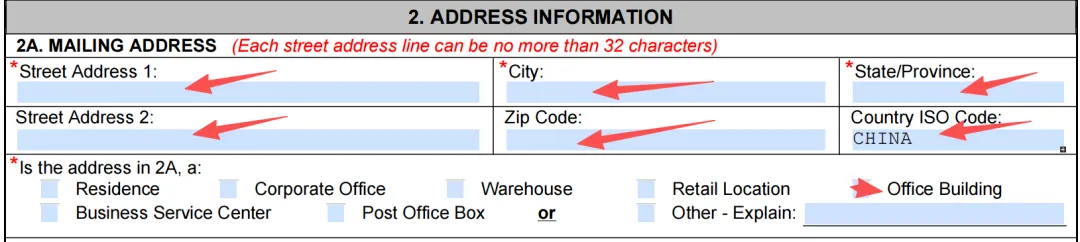
2C: Contact phone number reserved in BOND application
2E: Registered importer email address

4: Name and signature of the authorized signatory confirmed in POA
2.4 POA Filling Specifications
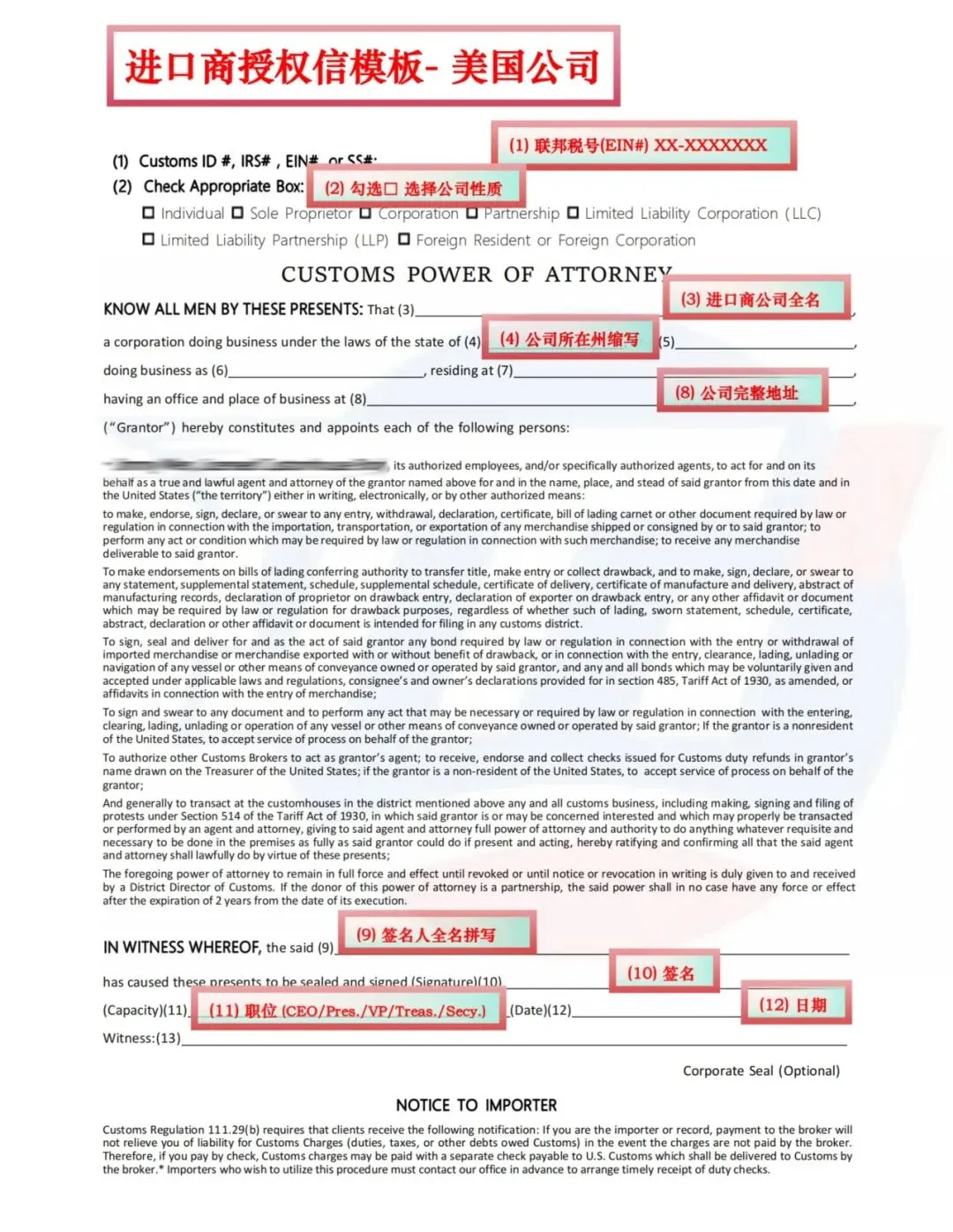
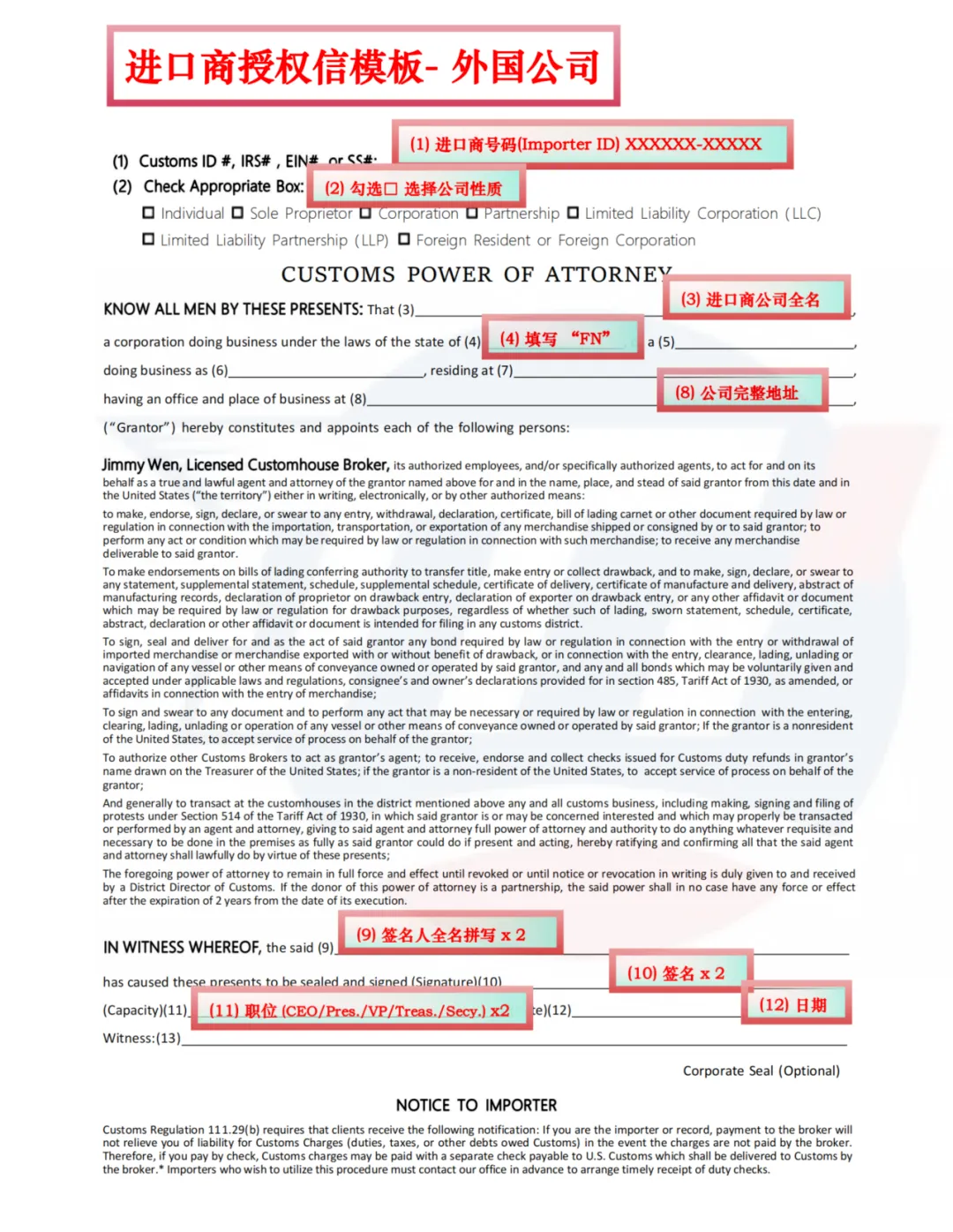
Select corresponding templates according to importer entity type and fill in with the latest version on the current date.
• POA template for local US importers
• POA template for overseas non-US importers
Long-term Prevention Measures to Avoid 9H Detention and BOND Invalidation
Inspections cannot be completely avoided. Conduct compliance management fundamentally to cut down risks of 9H detention, IOR cancellation and BOND failure, instead of making hasty remedies and bearing extra losses afterwards.
1. Unified Information Data
Keep company name, address, EIN number and contact details consistent among IOR profile, BOND file, bill of lading, ISF declaration and Form 5106; avoid arbitrary information modification.
2. Adopt Authentic and Independent IOR
Reject fake or shared IOR accounts. Follow one IOR code per entity rule and complete official compliant filing.
3. Prioritize Continuous Bond
Choose annual Continuous Bond for regular shipments to maintain stable customs clearance status.
4. Regular Self-inspection
Periodically verify EIN validity, BOND operating status and IOR filing information to prevent sudden account cancellation.
Final Summary
• 9H: CBP qualification detention code targeting IOR and consignee information; incorrect data results in cargo detention.
• BOND: Compulsory guarantee for customs clearance; clearance unavailable without valid BOND. Invalid IOR will lead to synchronous BOND cancellation.
• Core Principles: Maintain true and unified information, prepare complete documents, submit materials via licensed brokers and finish verification before official deadline.
Email:hello@jjrlab.com
Write your message here and send it to us
 RoHS Compliance Testing Services
 Amazon Toy Seller Exporting to Europe Compliance
US Jewelry Compliance Guide
Amazon Toy Seller Exporting to Europe Compliance
US Jewelry Compliance Guide
 FCC Certification Requirements and Costs for Consu
 EMC Testing Lab IEC 60601 Medical Electrical Safet
 What are the FCC Testing Requirements for Bluetoot
 Australia RCM Certification for Radio Devices
 RED Cybersecurity EN 18031 Standard
Leave us a message
24-hour online customer service at any time to respond, so that you worry!